
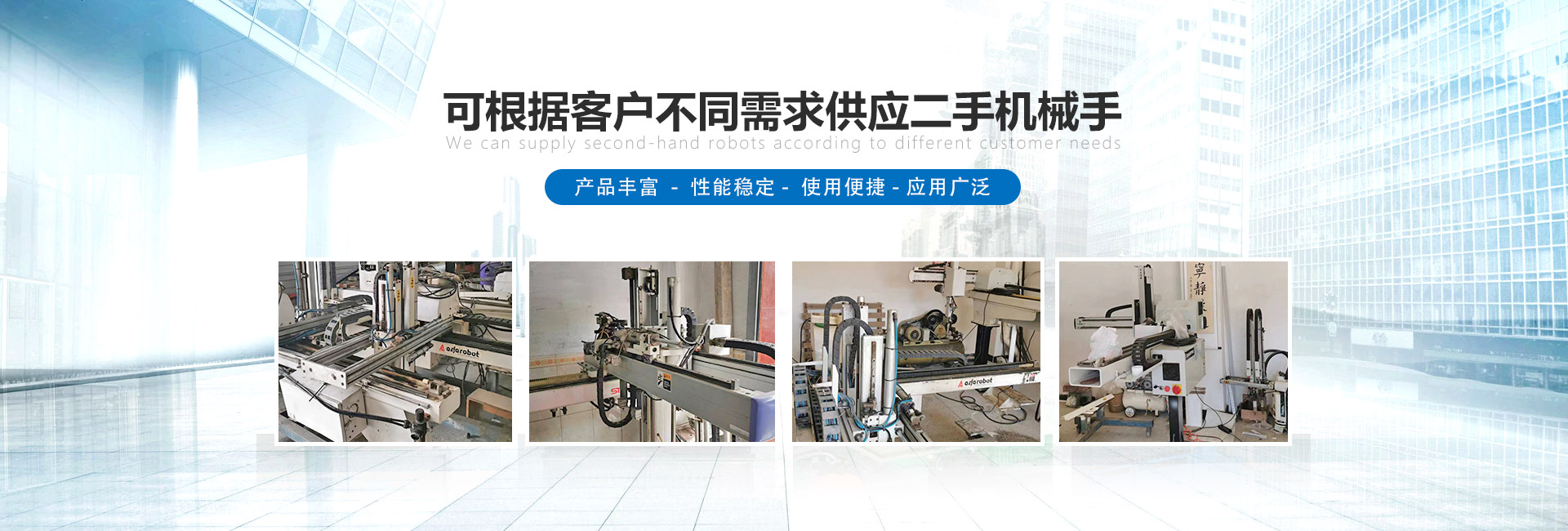
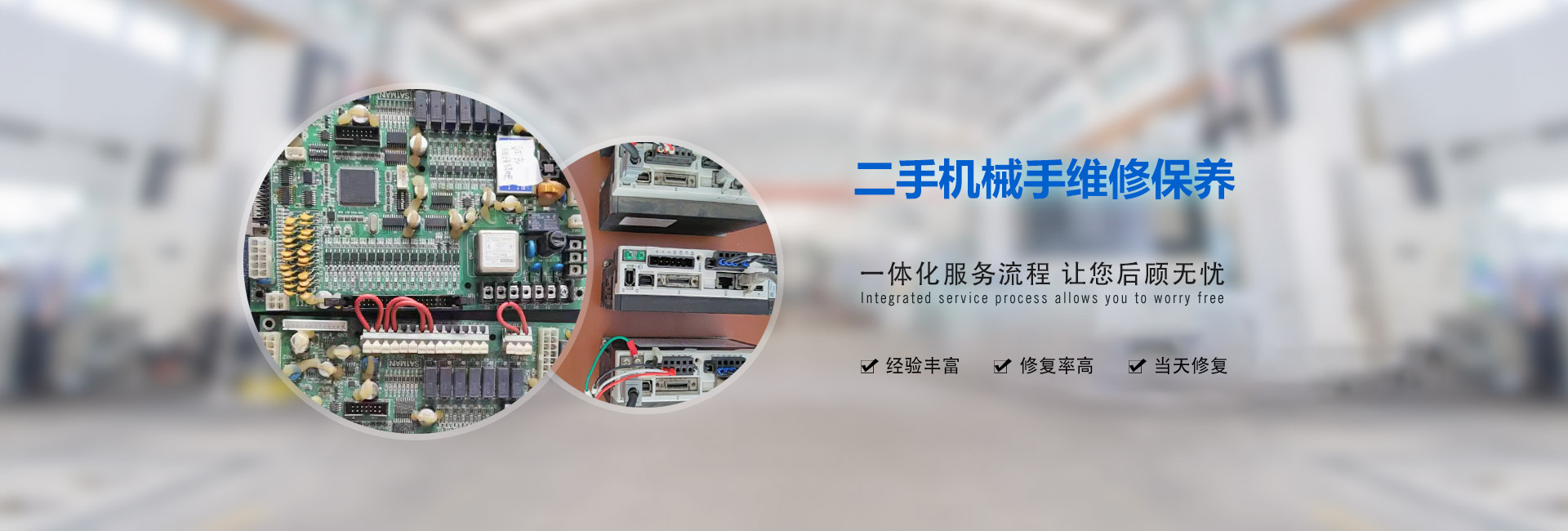


Mechanical fingers are devices capable of mimicking certain movements of the human hand and arm. As early industrial robots, mechanical hands are widely applied across various industries. They are used in mechanical manufacturing, metallurgy, electronics, light industry, and atomic energy. The use of mechanical hands can effectively liberate humans from hazardous work environments. But, what is the working principle of a mechanical hand?
The working principle of the robotic arm primarily involves an electric motor-powered transmission mechanism. This mechanism drives the movement of the arm and finger sections of the robotic arm. The controller receives feedback information from sensors, controls the motor movement based on pre-set program instructions, thereby enabling the movement of the robotic arm.
A robotic arm is a mechanical device capable of mimicking the movements of a human arm and fingers to perform precise actions. Depending on the shape, size, weight, material, and operational requirements of the object being grasped, robotic arms come in various structural forms, such as gripping, holding, and suction types.
