


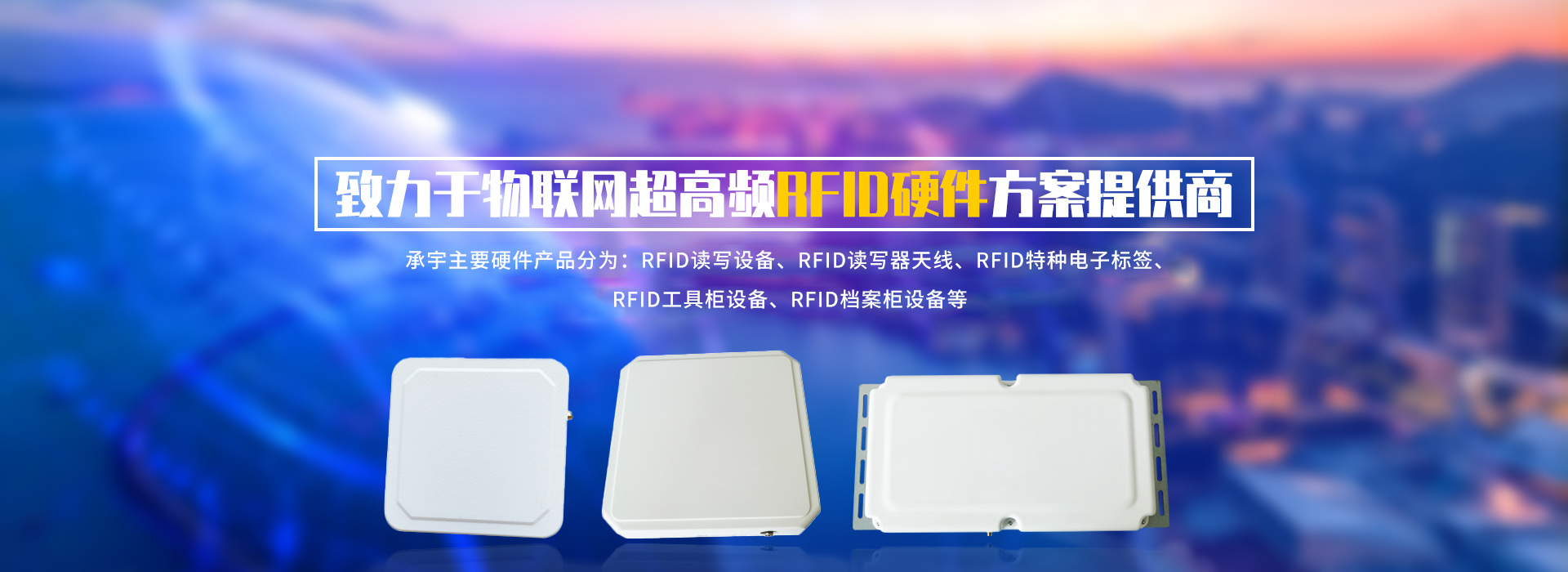

RFID technology automatically identifies targets using wireless radio frequency signals and collects relevant data, now widely used in fields such as transportation, logistics, and manufacturing. Let's explore the features and applications of RFID devices together.
What are the characteristics of RFID devices?
1. Compatibility: RFID technology relies on electromagnetic waves and does not require physical contact between the two parties. This allows it to establish connections and directly complete communication, bypassing dust, fog, plastic, paper, wood, and various obstacles.
2. Efficiency: RFID systems boast incredibly fast read/write speeds, with a typical RFID transmission process taking less than 100 milliseconds. High-frequency RFID readers can even identify and read multiple tags simultaneously, enhancing information transmission efficiency.
3. Uniqueness: Each RFID tag is unique and non-repetitive. The one-to-one correspondence between RFID tags and products allows for clear tracking of each product's subsequent circulation.
What are the main applications of RFID devices?
RFID devices are divided into two parts: the first being the RFID electronic tags, primarily used to store product information, and the second consisting of RFID identification equipment, such as the common readers, read heads, and handheld readers, etc.
In RFID systems, electronic tags can be affixed to the surface of objects or trays to record item information. Readers transmit read/write commands from the host to the electronic tags, and then send the returned data from the tags back to the host. The upper computer data exchange management system is responsible for the storage, management, and control of the electronic tag data information.
Asset Management
By utilizing RFID technology, fixed assets are managed through tagging, enabling asset visibility and real-time information updates with the addition of RFID electronic tags. This effectively addresses information management related to inventory flow within warehouses. Typical applications in asset management include RFID Warehouse Management Systems, RFID Fixed Asset Management Systems, RFID Library Management Systems, and RFID Line Inspection Management Systems.
2. Intelligent Manufacturing
By implementing RFID technology on the automated assembly lines in large factories, material tracking and automatic control and monitoring of the production process have been achieved, enhancing production efficiency, improving production methods, and reducing costs. Typical applications in the intelligent manufacturing field include RFID production reporting systems, RFID production tracking and traceability systems, and more.
