
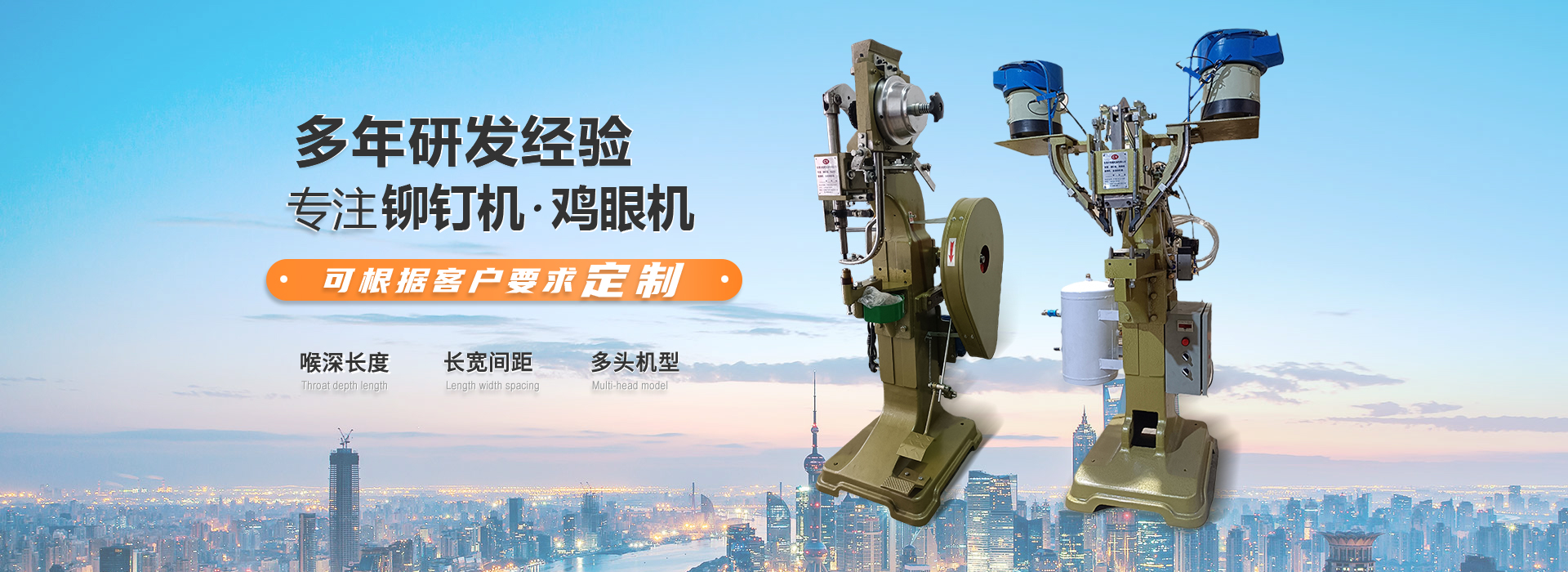
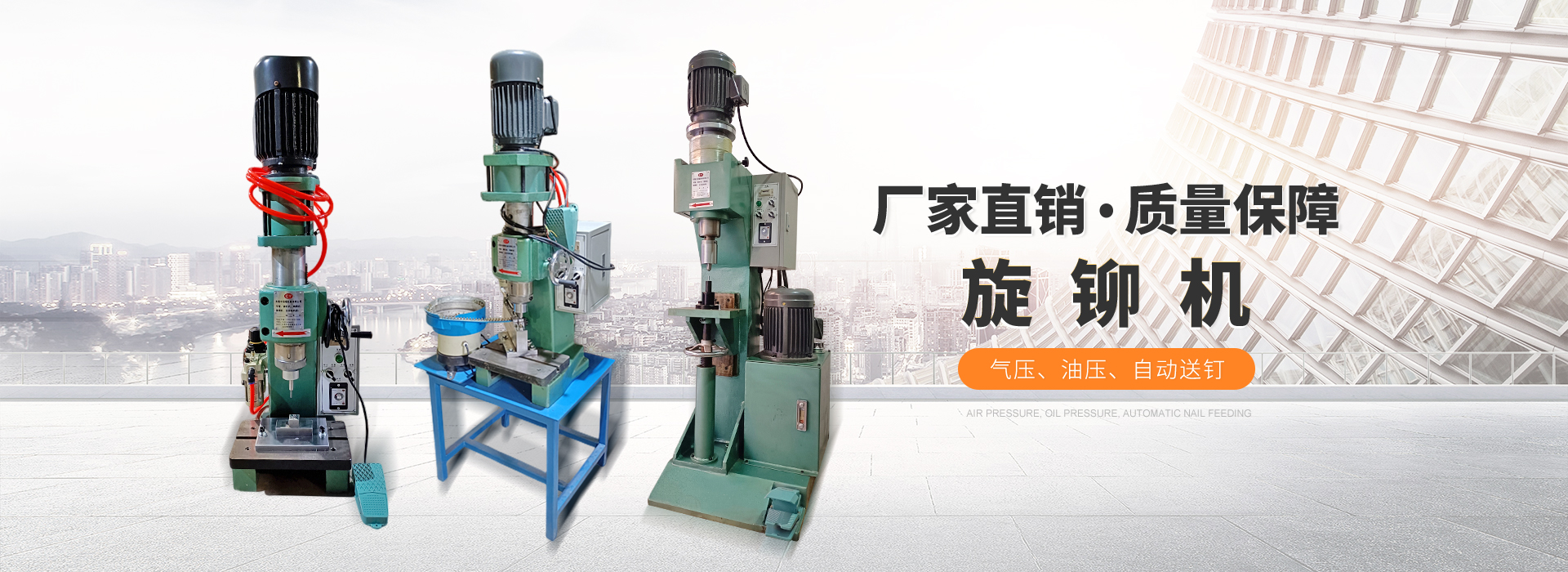
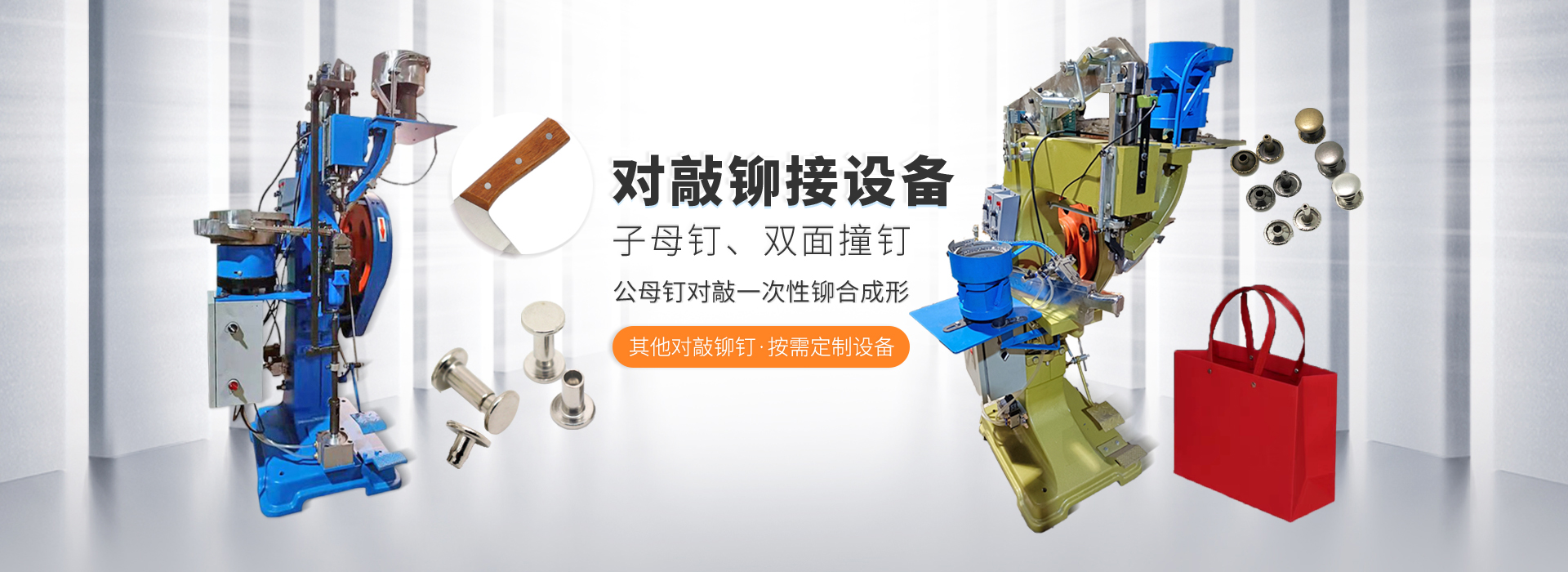

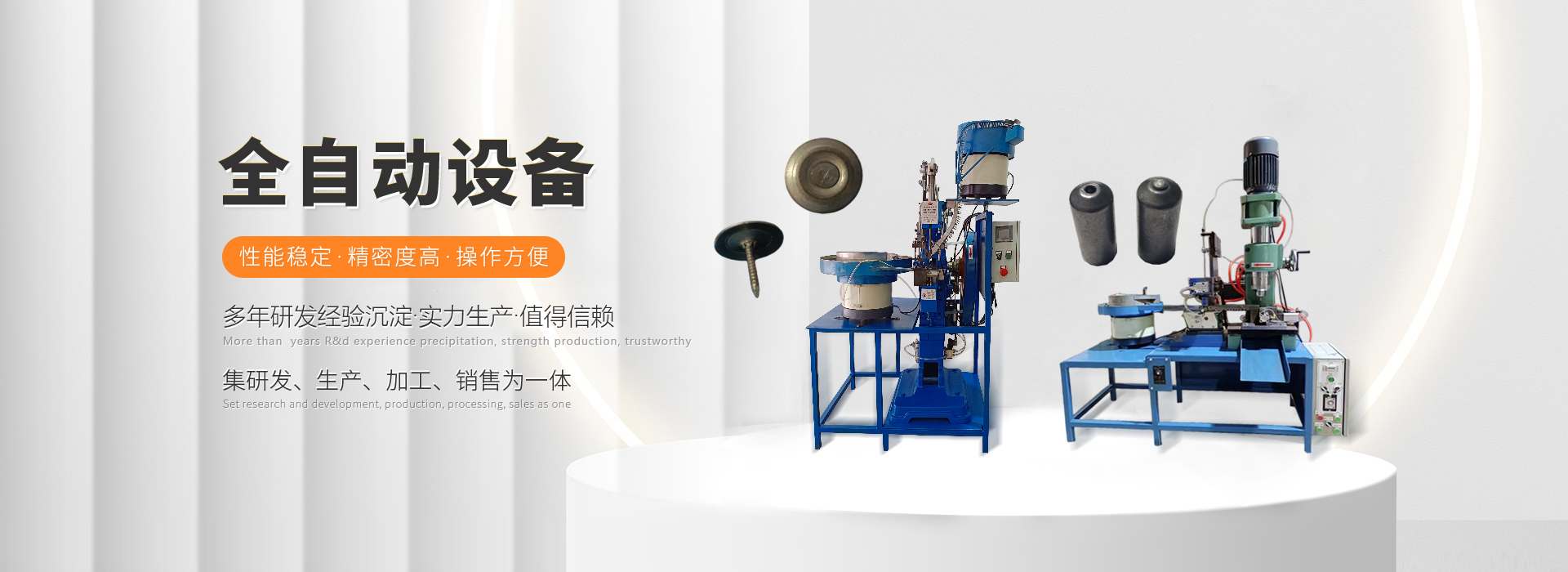

The advancement of industrialization has led to a growing role for specialized riveting machines in industrial production. Whether it's for small equipment or large-scale machinery, these specialized riveting machines play a crucial function in the industrial manufacturing process.
1. Belt Misalignment. A special rivet machine manufacturer explains that factors such as roller rubber wear and abnormal operation of the roller group affect belt misalignment. The roller at the high point of belt displacement experiences significant force, leading to slight wear and thinning of the roller over extended periods, eventually causing cracking. Currently, excessive roller wear is observed in the belt section before unloading.
2. Adhesion of slag during the return section of the belt. Wear of the scraper blades, not being tightly attached to the belt surface, increased adhesion of slag, and high moisture content can all contribute to the return section of the belt conveyor. A portion of the belt in this return section is vertically downward, where the adhered slag can fall into the dewatering hopper.
3. High moisture content in fly ash. The filter element and drainage pipeline of the buffer hopper in special riveting machine manufacturers, as well as the blockage of the gate plate drainage pipeline, can lead to excessive water content in the fly ash if the filter element is not timely backwashed after slag discharge.
4. The slag from the buffer slag storage is directly discharged. The slag from the slag recovery machine is not dehydrated for a sufficient period of time and is directly transported to the dehydration storage by the tube conveyor belt. This results in a higher water content in the slag, increases the idling time of the tube conveyor belt, and accelerates the wear of the roller.
5. Quality of Special Rivet Machine Bearings. The special rivet machine manufacturer explains that some roller operating surface cleaning, due to bearing quality concerns, can also lead to inelasticity or sticking, resulting in wear.
6. The sealing function of the special riveting machine is poor. Water sludge accumulates in the roller bearing, leading to binding or reduced sensitivity in movement, which causes wear.
7. The abrasion of the idler roller caused by slurry-like slag. Occasionally, the slurry-like slag discharged from the slag recovery machine gets slightly adhered to the belt and falls onto the supports and roller shafts at both ends of the idler roller. This not only wears down the roller筒 body but also forms lumps, causing sticking and涩ness.
8. Larger granular slag causes significant wear on the roller筒 body. Occasionally, the larger granular slag discharged from the slag recovery machine adheres to the conveyor belt, and the hard, pointed material wears away the roller筒 body rapidly.
9. Excess ash overflow at the sealing end of the conveyor belt. The roller assembly's roller wear, along with overloading of material on the belt, can lead to an insecure sealing end of the belt, causing certain resonance in the belt. Ash overflow at the sealing end accelerates the wear of other rollers.
