



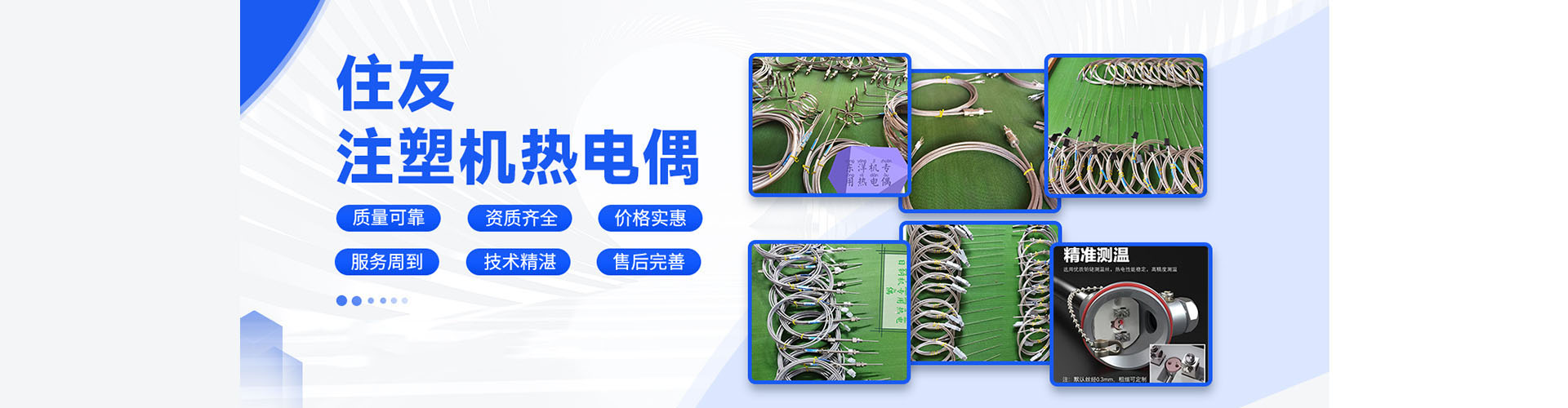


Several aspects should be considered when using a thermocouple for a dryer to ensure accurate and stable temperature measurement, as well as to extend its service life. Here are some key usage tips:
Established Measurement Range
Before selecting a thermocouple, it is crucial to define the temperature range that the dryer needs to measure. Different types of thermocouples have varying temperature measurement ranges, so the appropriate thermocouple type for the dryer's process requirements should be chosen.
2. Installation Location and Method
Thermocouple installations should be as close as possible to the temperature point being measured to ensure accuracy. At the same time, it is advisable to avoid placing thermocouples in areas susceptible to mechanical vibrations, corrosion, or strong magnetic field interference.
During installation, ensure that the sensing end of the thermocouple is in full contact with the medium being measured to enhance measurement accuracy. Additionally, pay attention to the method of securing the thermocouple to prevent movement or detachment during use.
Insulation and Protection
Since thermocouples measure temperature by generating electromotive force through temperature differences, their joints and connection terminals in the circuit are susceptible to environmental temperature. To ensure measurement accuracy, appropriate insulation treatment should be applied to the thermocouple joints and wiring points, such as using insulated sleeves and insulating tape.
When used in corrosive environments, additional protective measures should be taken, such as selecting corrosion-resistant materials or applying anticorrosive coatings.
4. Regular Calibration
Thermocouple temperature accuracy can be affected by factors such as wire aging and loose connections. Therefore, it is necessary to calibrate thermocouples regularly to ensure the accuracy of their measurement results. Calibration can be done by comparing with a standard thermocouple of known temperature or by using specialized temperature calibration equipment.
Prevent electromagnetic interference
Electromagnetic fields may interfere with the measurement results of thermocouples. To minimize the impact of electromagnetic interference, maintain a certain distance between the thermocouple and devices that may generate electromagnetic fields, such as power sources and motors. In cases where necessary, use shielded cables or electromagnetic shielding enclosures to further reduce interference.
6. Temperature Compensation
In certain situations, the thermoelectric properties of thermocouple materials may vary with temperature, necessitating temperature compensation to enhance measurement accuracy. The specific compensation method should be selected and implemented based on the actual circumstances.
7. Regular Maintenance
Regular inspections and maintenance of thermocouples are crucial for ensuring their long-term stable operation. The inspections include checking the integrity of the thermocouple's plug, connector, and wiring for any looseness or wear. Any issues found should be addressed promptly or defective parts replaced.
8. Summary of Precautions
Ensure the thermocouple selection matches the temperature measurement requirements of the dryer.
Properly install thermocouples and avoid interference factors.
Implement appropriate insulation and protective measures.
Regular calibration and maintenance services are conducted.
Be mindful of electromagnetic interference and perform necessary temperature compensation.
Following the above usage precautions ensures the accurate and stable operation of the thermocouples specifically designed for the dryer, enhancing production efficiency and product quality.
