


Terminal connectors are a commonly used type of connector in electronic devices, capable of connecting power sources to wires while ensuring stability and safety in the connection. When purchasing terminal connectors, many factors must be considered, such as material, size, connection method, and load current.
Material
The material of the terminal affects the transmission effect and safety of the current. Common materials include copper, aluminum, stainless steel, and iron. Among them, copper terminals have good conductivity but are prone to rust, making them suitable for low current applications; aluminum terminals are more suitable for high current scenarios but require oxidation prevention; stainless steel terminals are more corrosion-resistant, ideal for use in harsh environments; and iron terminals are more robust, commonly used in mechanical equipment.
2. Sizes
The size of the terminal is also a factor to consider, as it affects the terminal's load capacity and suitability. When selecting the size of a terminal, it is necessary to determine it based on the wire diameter and the required load current. Improper use may lead to loose terminal connections or safety issues such as overheating.
3. Connection Methods
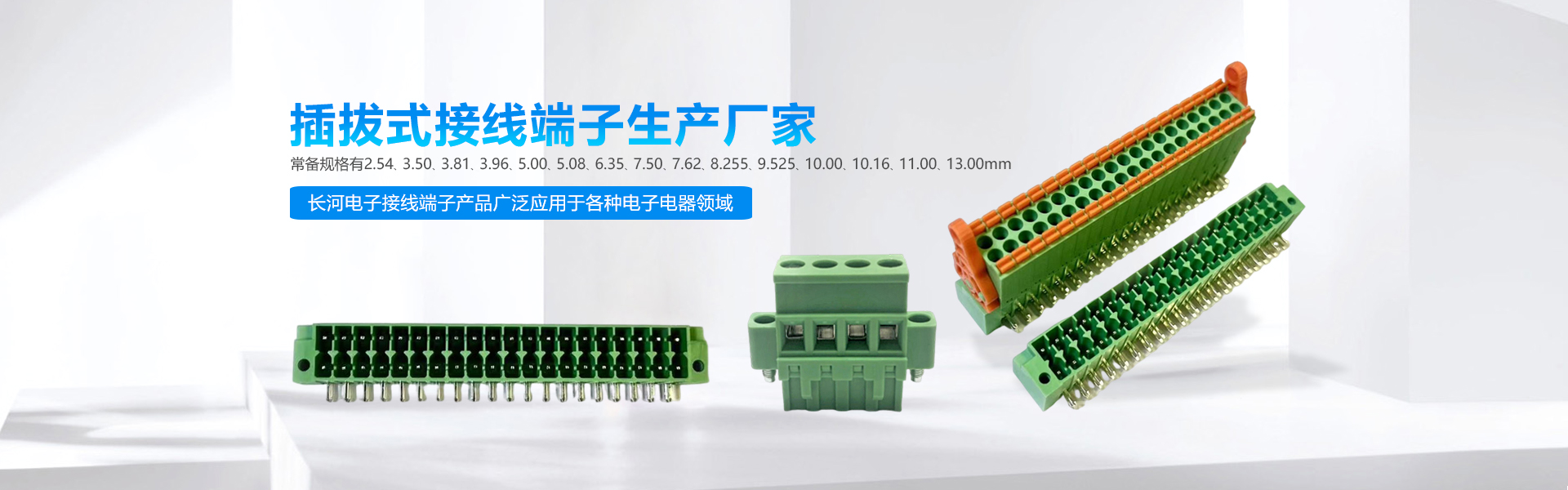
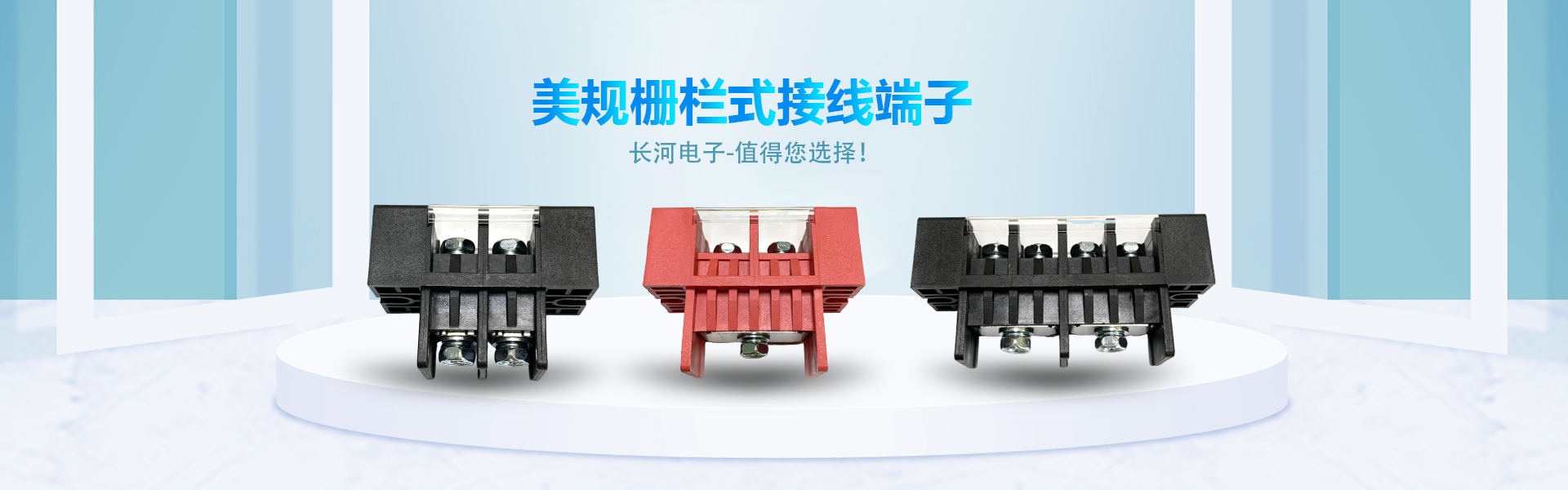
The method of terminal wiring is also a factor to consider, as it affects the ease and safety of wiring. Common methods include crimping, screw, and plug-in, each suitable for different situations and requirements. For instance, screw connections are more secure and less prone to loosening, making them ideal for high-load applications; plug-in connections, on the other hand, offer greater convenience and are suitable for situations that require frequent changes.
4. Load Current
The load current of a terminal block refers to the maximum current it can withstand. When purchasing terminal blocks, it is essential to know the required load current size and then select the appropriate terminal block. Excessive load current can lead to safety issues such as short-circuiting or overheating of the terminal block.
In summary, selecting a terminal block requires considering multiple factors, such as material, size, connection method, and load current. Only by taking these factors into account can you choose a terminal block that suits your needs, ensuring stable and safe connections.
