
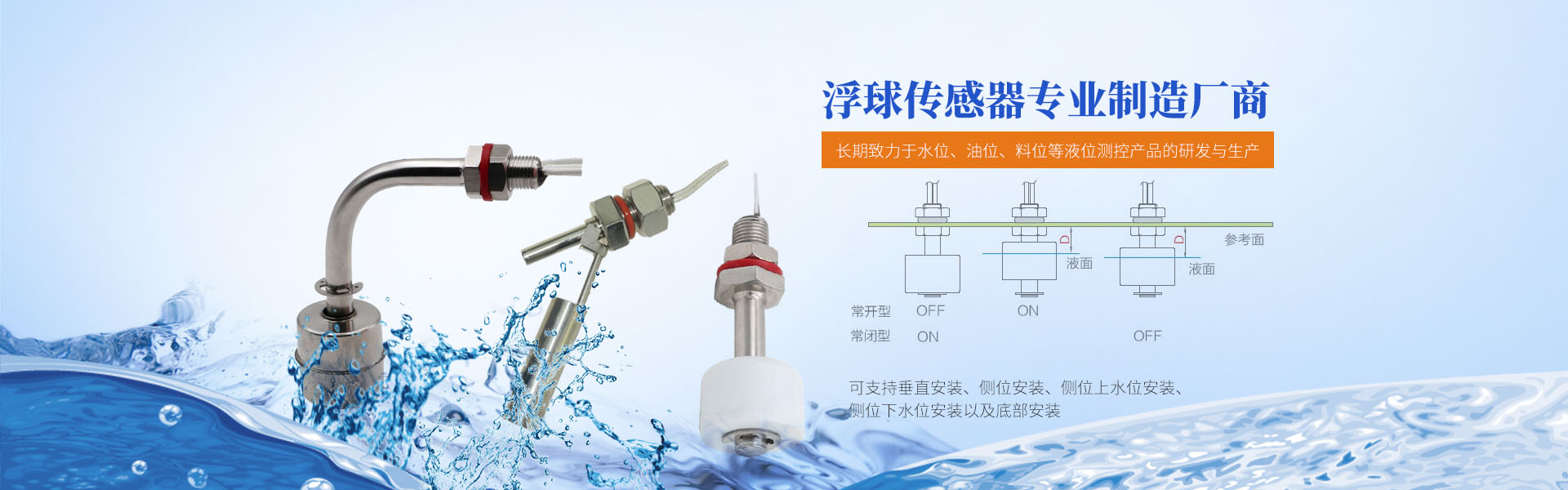
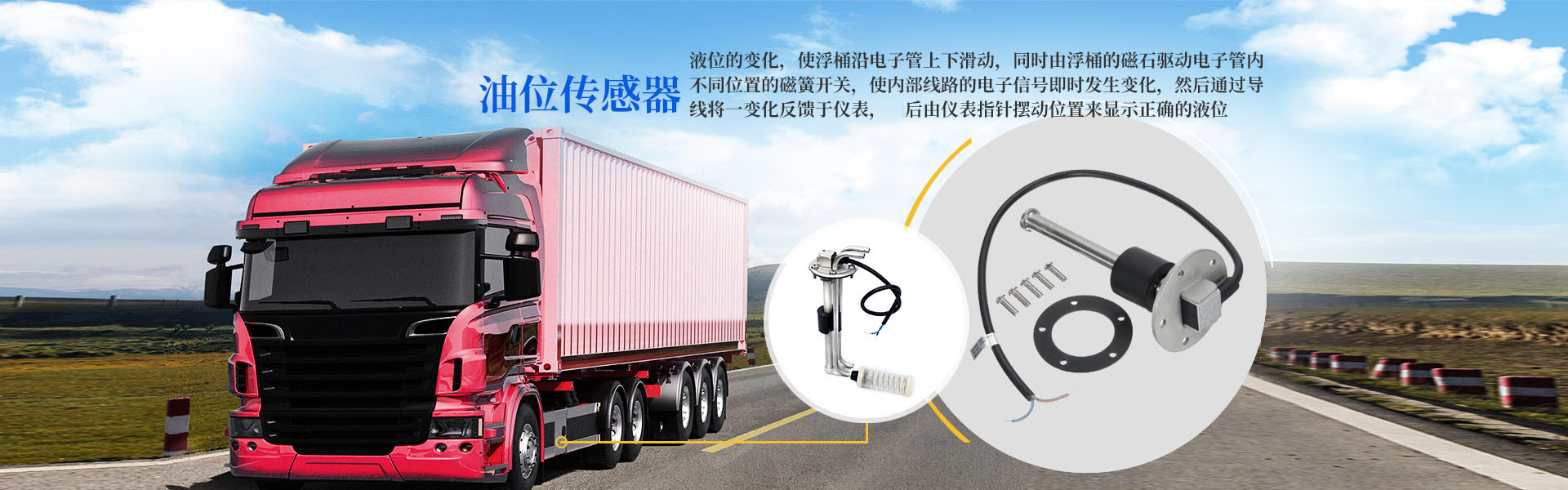



Level switches are widely used in our daily lives, featuring a variety of types. These include not only rotary level switches but also radio frequency admittance level switches, diaphragm level switches, tuning fork level switches, vibration rod level switches, and more. They are extensively applied in different working environments due to their respective advantages.
Tangential Level Switch: The tangential level switch is used for measuring solid particles and dust, primarily applied in feed, quartz stone, gravel, spherical particles, sawdust, calcium powder, rubber, metal, limestone, grains, foundry sand, sawdust, coal powder, resin, raw hides, peanuts, clay, and other materials.
The Radio Frequency Dielectric Level Switch: The Radio Frequency Dielectric Level Switch products are widely used, with several typical applications including: measurement of materials such as chemicals, plastics, films, feed, liquid wastewater sand, food sludge cement, powdered coatings/clothing coal, granular solid oil sludge, etc.
Diaphragm Level Switch: The diaphragm level switch can be installed, maintained, replaced, or adjusted for sensitivity outside the container. In actual applications, it is not recommended to use it in environments where the material is extremely light, thick, or contains large particles.
Tuning Fork Level Switch: A dual-purpose level switch with an intelligent circuit, the tuning fork level switch is suitable for almost all light liquids and easily flowing solids.
The Paddle Level Switch: The paddle level switch is designed for monitoring powders, granular, or lump materials (diameter less than 5-10 cm). The material's density must be greater than 0.05 kg/dm3. If it's below this density, the internal friction of the material will not be sufficient to reduce the amplitude of the vibration switch. This vibration switch can be widely used for monitoring materials such as coal mines, cement, limestone, grains, sugar, powdered coal, and more.
Level switches have high requirements for the natural flowability of materials in material level control. Across numerous fields, level switches have gained better development and widespread application due to their crucial role and various advantages.
