
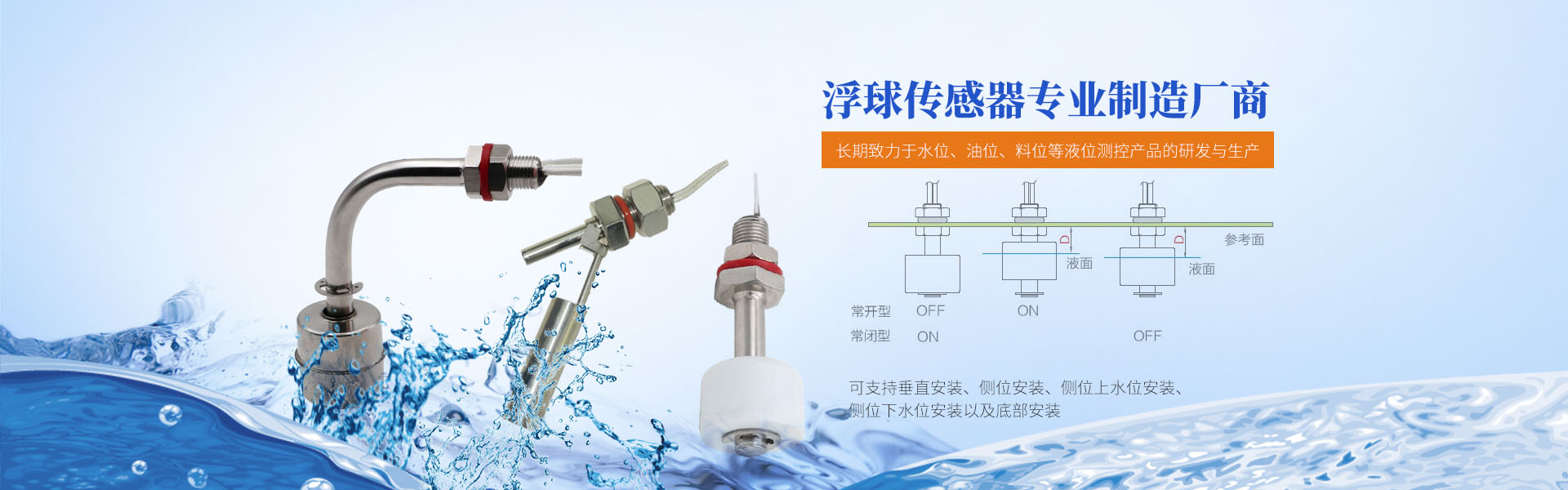
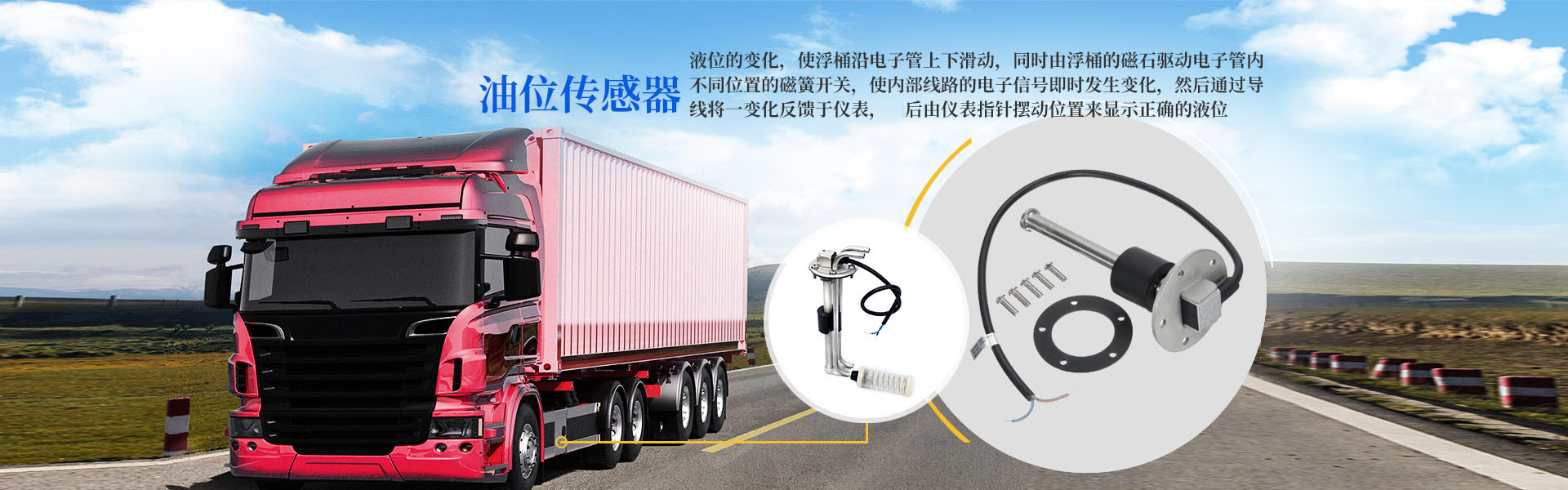

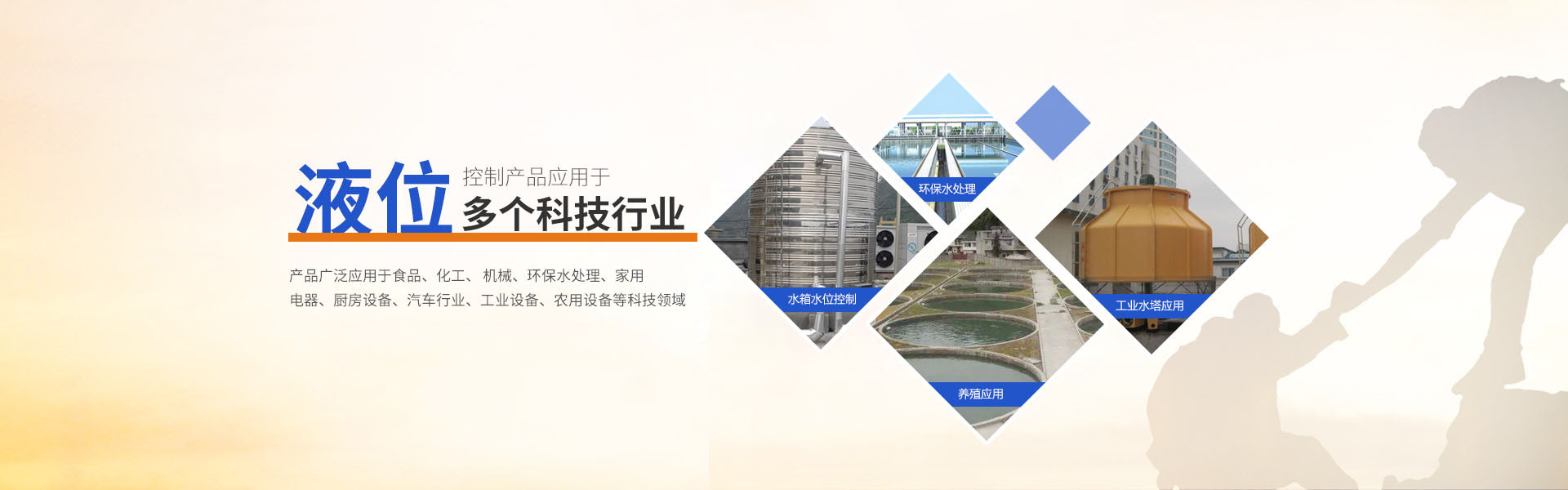

Level sensors are pressure sensors used to measure liquid levels, suitable for various systems and industries such as petrochemicals, metallurgy, electricity, water supply and drainage, and environmental protection, for the level measurement of different media.
Next, common issues with level sensors include errors and malfunctions. To prevent these issues, the following measures can be taken:
Regular sensor calibration is performed to ensure accuracy.
2. Select appropriate working conditions to avoid the impact of extreme temperatures and pressures on sensor accuracy.
3. Conduct precise analysis and testing of liquid properties to ensure compatibility with the sensor's physical characteristics.
4. To control environmental temperature and pressure, insulation materials can be used for wrapping to avoid external interference.
5. Regularly inspect the electrical system of the sensors, including wires and motors, to ensure the system's safety and reliability.
Additionally, redundancy design can be added to enhance stability. Multiple level sensors are employed for monitoring. In the event of a single sensor failure, the others will continue to operate normally, ensuring the continuity of production.
The above information is for reference only. It is recommended to consult professionals for more accurate information.
