
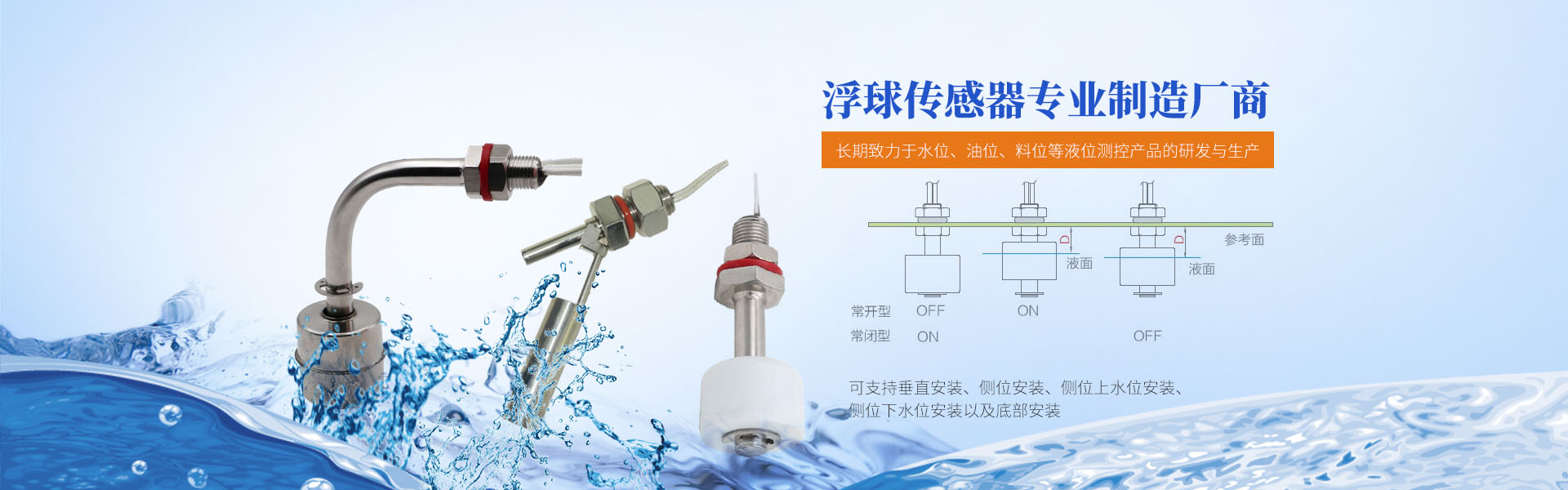
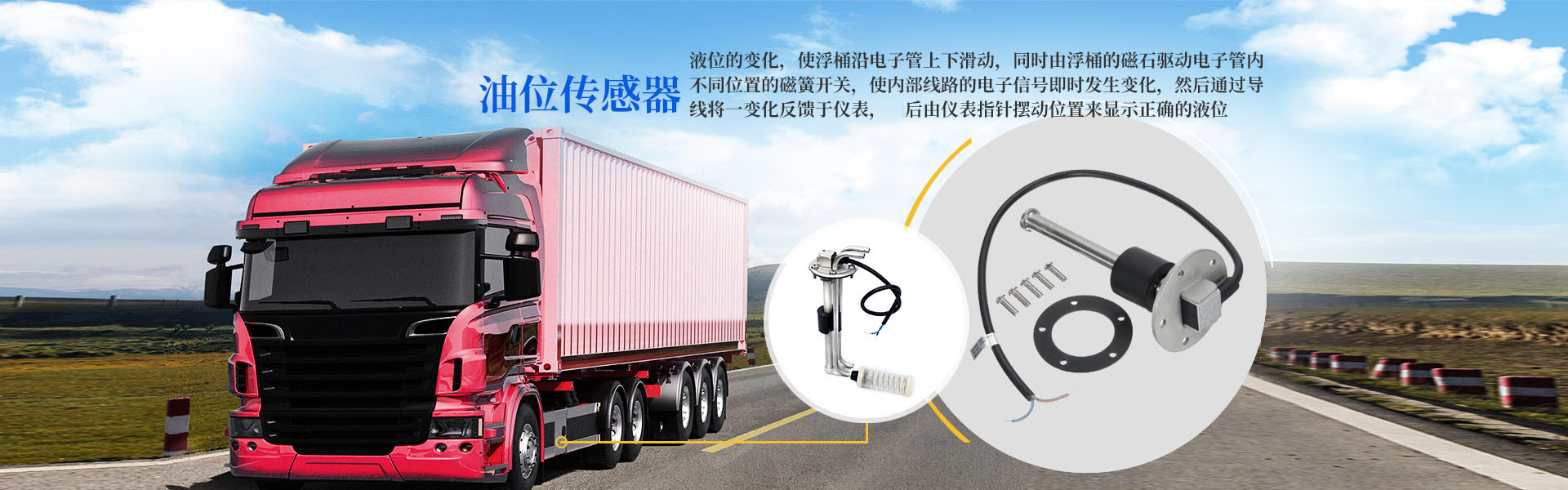



Sensors are detection devices capable of sensing measured information and converting the sensed information into electrical signals or other required forms of information according to certain rules, to meet the requirements of information transmission, processing, storage, display, recording, and control.
Integrated sensors are manufactured using the standard process technology for producing silicon-based semiconductor integrated circuits. Typically, the partial circuitry for the initial processing of the measured signal is also integrated onto the same chip.
Thermal film sensors are formed by depositing a thin film of the corresponding sensitive material on a medium substrate (substrate). In the case of mixed-process manufacturing, part of the circuit can also be produced on this substrate.
Thick-film sensors are manufactured by applying a paste of the appropriate material onto a ceramic substrate, typically made of Al2O3, followed by heat treatment to form the thick film.
Ceramic sensors are produced using standard ceramic processes or some variant thereof (sol-gel, gelation, etc.).
After completing the necessary preliminary operations, the formed components are sintered at high temperatures. There are many common characteristics between thick film and ceramic sensor technologies, and in some aspects, the thick film process can be considered a variant of the ceramic process.
Each process technology has its own advantages and disadvantages. Due to lower capital investment required for research, development, and production, as well as the high stability of sensor parameters, using ceramic and thick-film sensors is more reasonable.
