
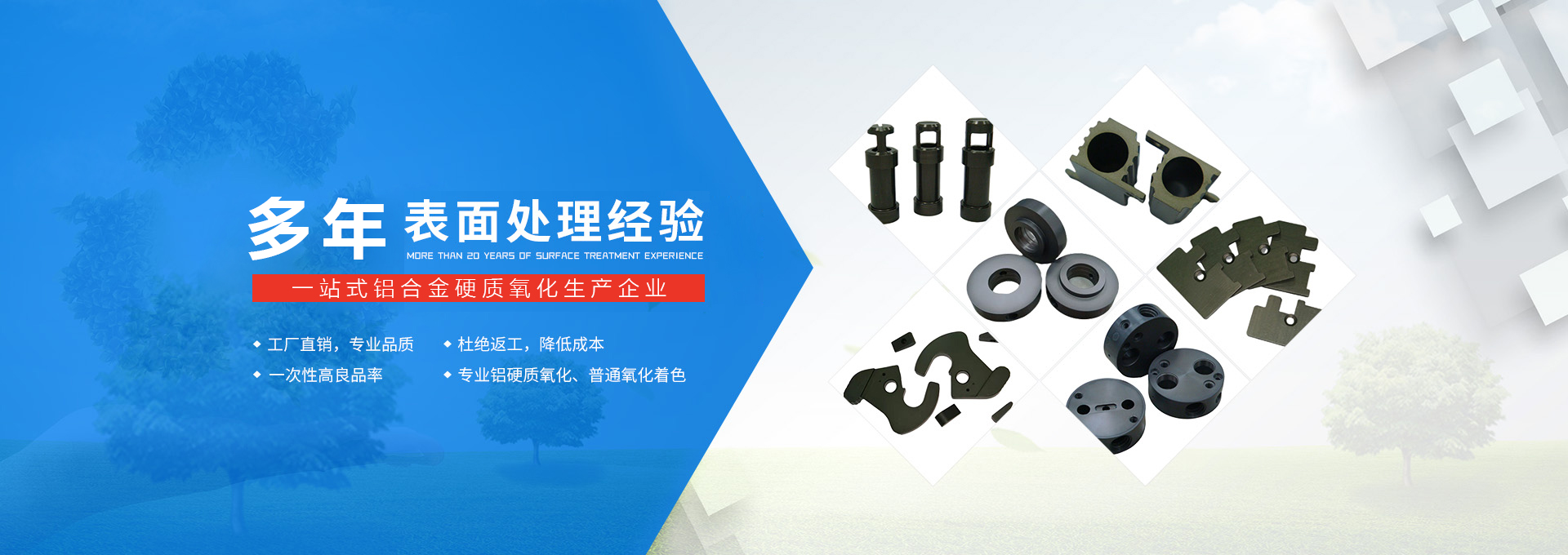
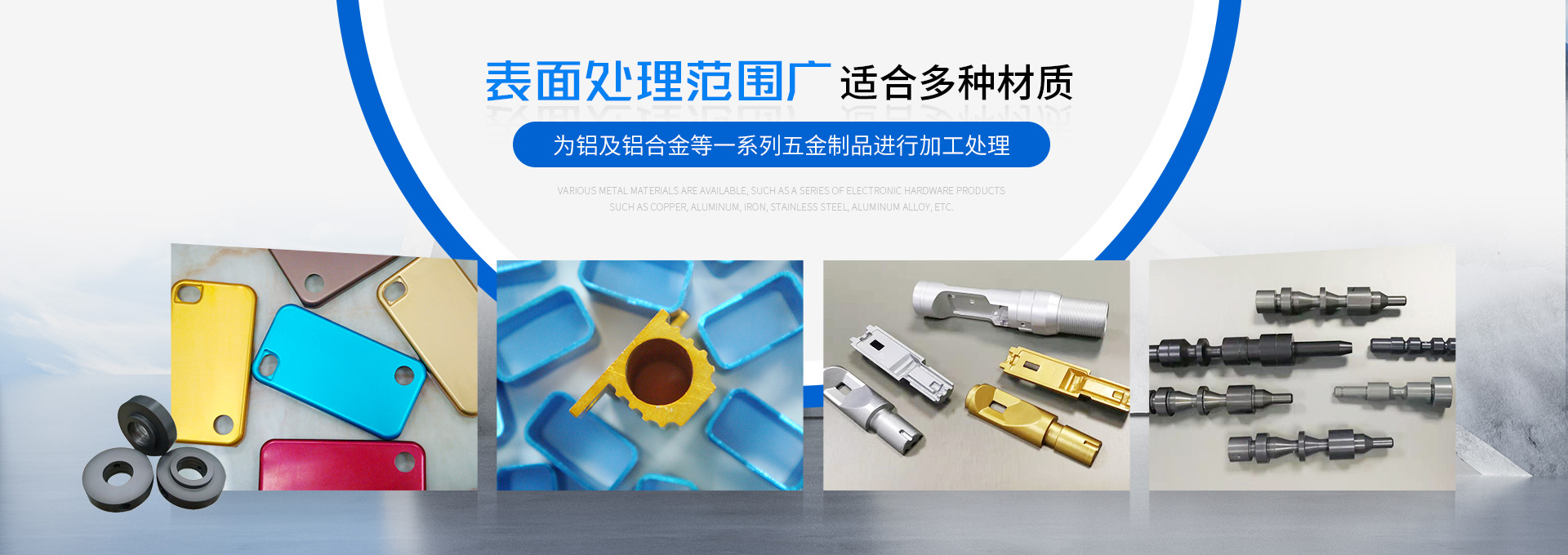
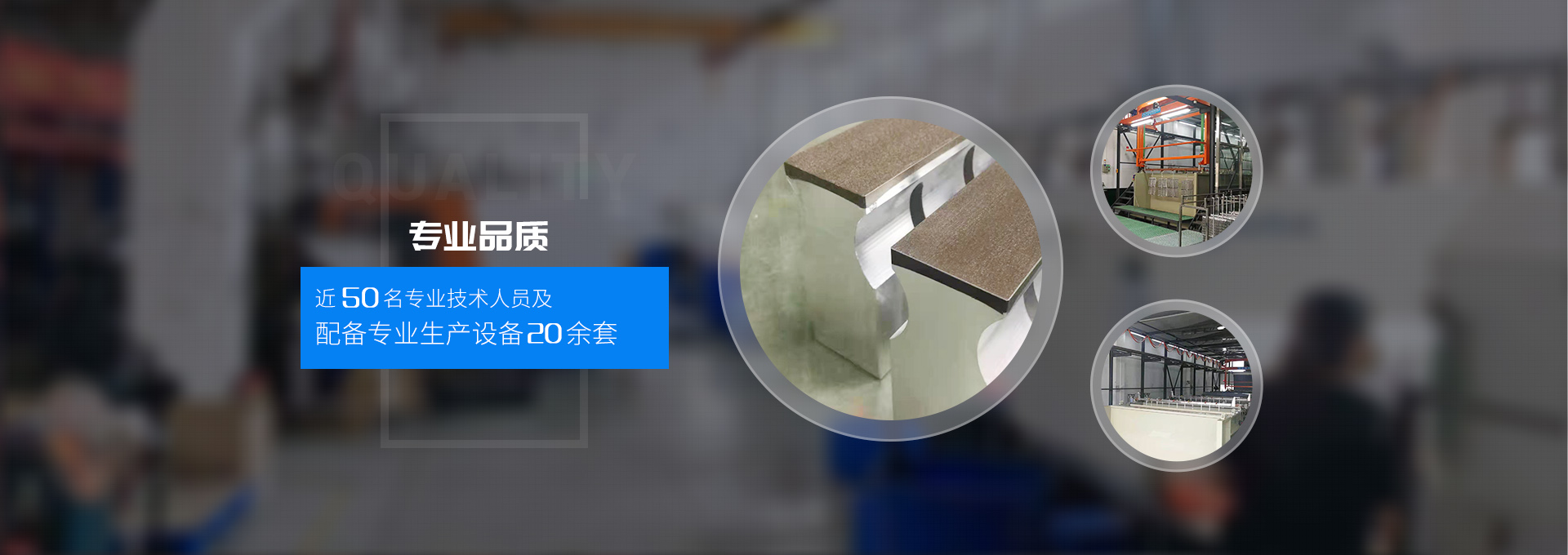

We're looking to anodize an aluminum alloy workpiece. This metal product is a prototype, and there will be bulk orders if this goes well. Could you please inform us of the advantages of this anodizing process and the benefits of surface treatment for aluminum alloys?
Metallic technical materials are generally oxidized in a solution of electrolyte, and through the application of a certain external electrical current, a protective layer is formed on the surface of the aluminum plate, which we refer to as anodizing treatment. Among the many materials we have observed, the processing of aluminum alloy materials is relatively common. In this process, the electrolysis is typically conducted in a solution, using aluminum as the anode in a weak acidic liquid. During the electrolysis process, oxygen anions move to the anode side under the influence of the current, reacting with the aluminum surface to form a dense protective aluminum film. The film is not necessarily very dense during formation; rather, it is gradually and repeatedly applied to the surface, forming a more compact layer. This layer of aluminum oxide effectively prevents erosion from various corrosive solutions. The conductivity of the film may change; for instance, thicker films generally have poorer conductivity and can be used as insulating metals. Thinner films may conduct more current, so caution is advised; do not use thin-film aluminum materials for insulation, as they may pose a risk of electric shock.
