
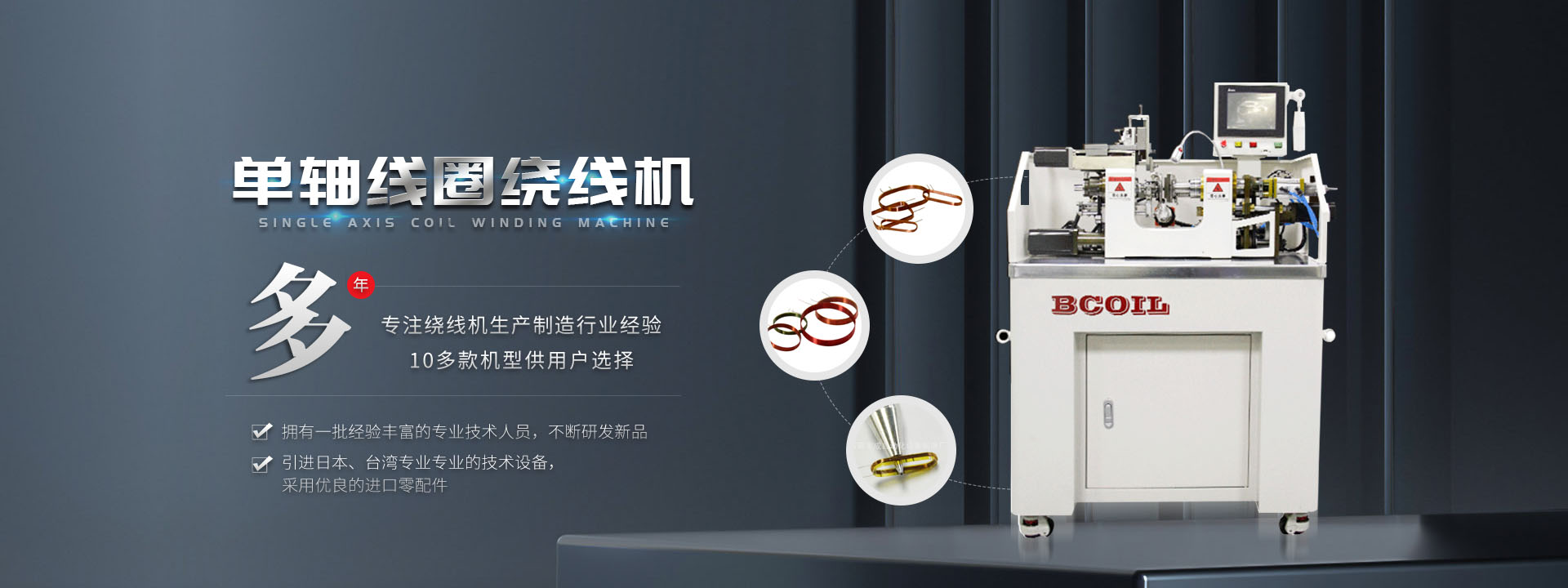
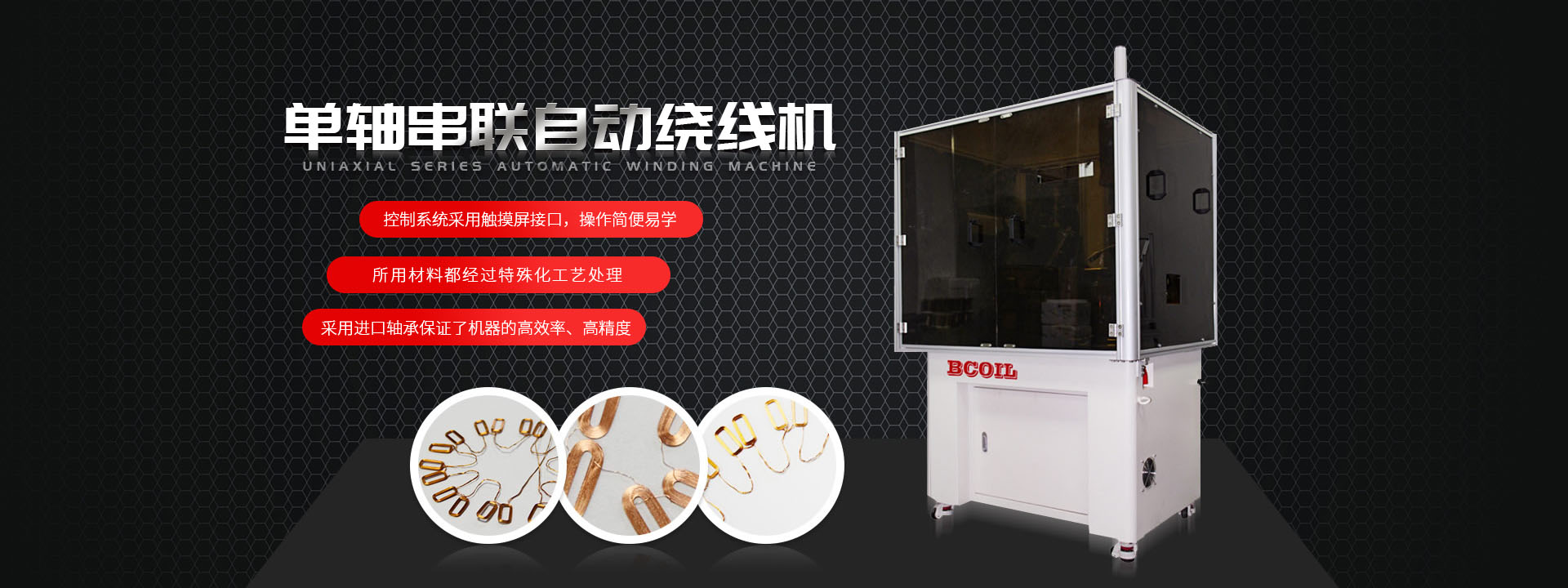
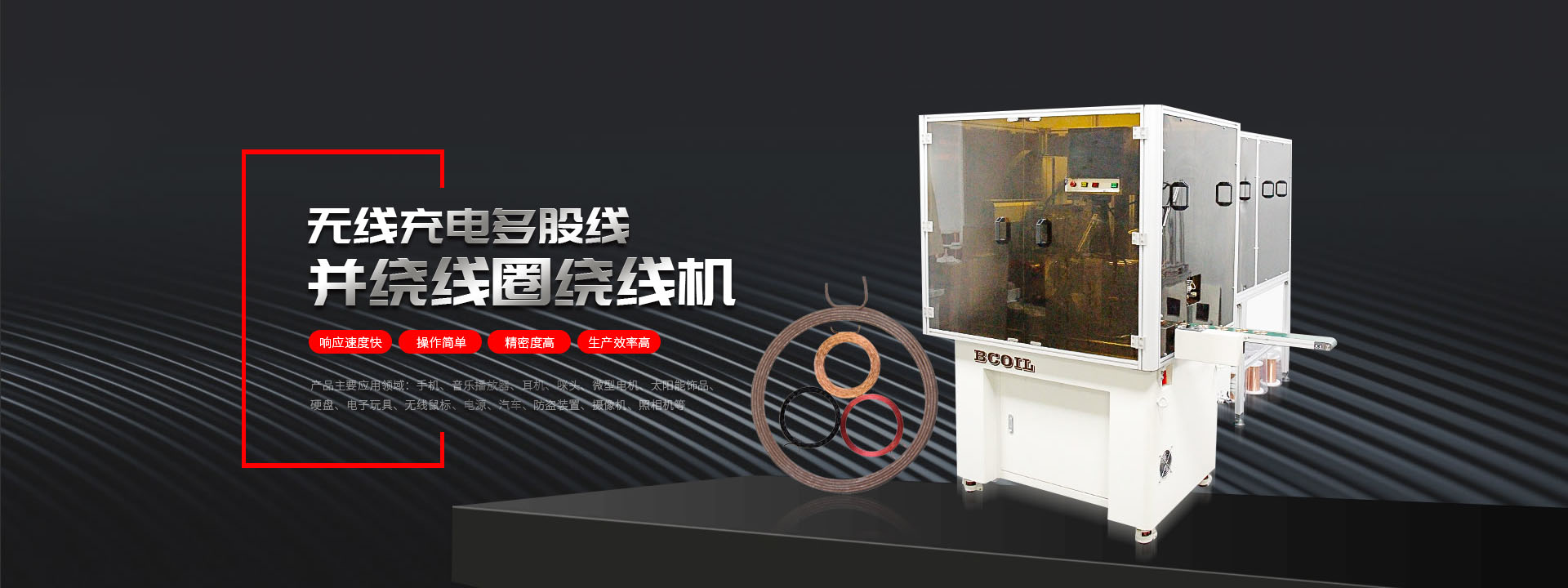

As the motor industry continues to evolve, so does the popularity of its auxiliary equipment. Take winding machines, for example—they are professional stator and rotor winding equipment. Compared to traditional manual methods, they not only significantly enhance speed and efficiency but also ensure accuracy in the number of turns, resulting in higher-quality wound coils.
During the operation of the winding machine, some friends often find that the winding speed is slow. Without understanding the reasons, they forcibly increase the speed or alter the parameters, leading to equipment issues such as damaged enameled wire, broken wires, or skipped wires. This is definitely not acceptable. We must identify the cause and solve the problem correctly. So, what are the reasons for the slow speed?
Wire material and diameter: Different wire materials and diameters have varying winding speeds. Generally, enameled copper wire is harder than aluminum wire and iron wire, and the speed settings are also different. Within a certain range, the thicker the wire diameter, the slower the winding speed; conversely, the faster the speed.
2. Motor and complete machine configurations are crucial. For high-precision equipment, precise wiring is necessary, and speed requirements are high, so it is imperative to have high-quality servo motors, such as those from Panasonic, Fuji, and others. The requirements for the control machine are also high to ensure accurate control. The configuration of each part of the complete machine also needs to be high, as the machine must remain stable during high-speed operation, which is the key.
3. Incorrect speed parameter settings are not permissible. Different skeletal products require varying quality standards, precision levels, and speed requirements. Speed should not be arbitrarily increased; adjustments must be made according to the instructions and specifications provided by the manufacturer.
4. Products with more turns or multi-wire winding are common. If a single wire is wound, the speed requirement is higher; however, if multiple wires are wound together, the speed will correspondingly decrease. This is all quite normal.
5. Improper tensioner settings are crucial as tensioners are key components. It's essential to set them correctly, as there is usually a corresponding tension gauge. Just adjust according to specifications, and often, you can feel the tension by hand.
Here are several reasons for the slow winding speed of winding machines, of course, there are other factors involved, such as the line feeding device, mold precision, and winding process. To address the issue of slow speed, a comprehensive consideration of various aspects is required; improvement is the key!
