


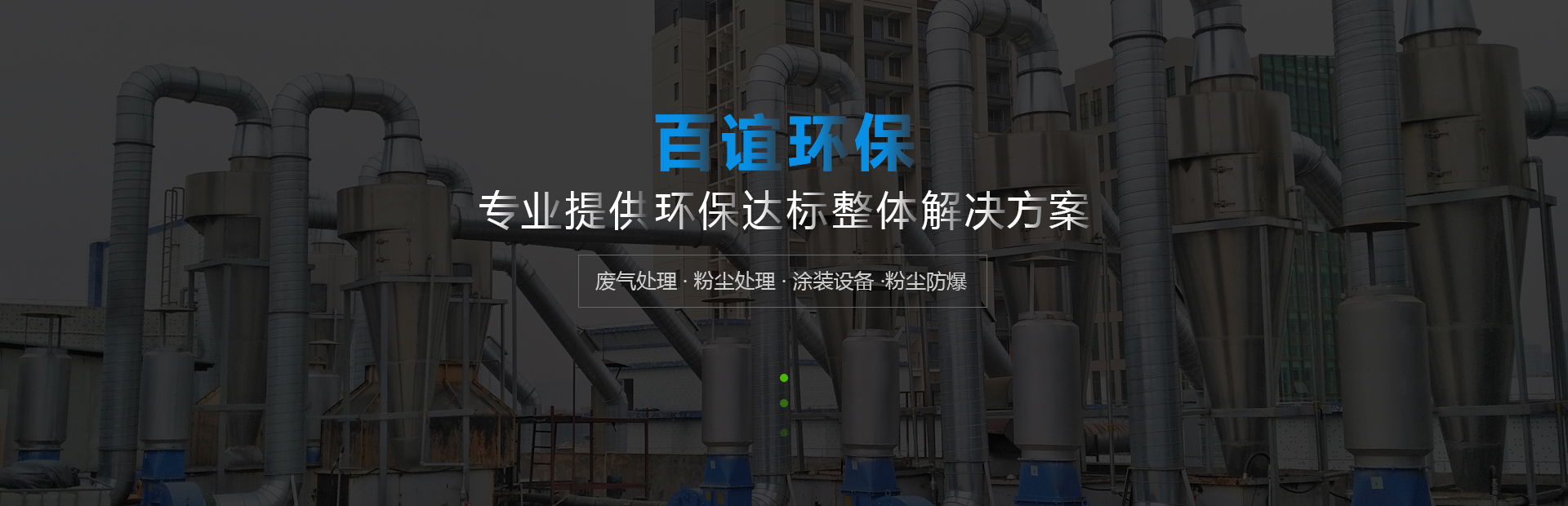

Waste gas treatment should vary according to different methods. It needs to be designed based on the characteristics of the gas. What are the key points for different gas treatment methods?
Toxic waste gas treatment
Employees handling toxic gases must wear protective gear such as respirators and gloves unrelated to the handling task, and are prohibited from entering the toxic gas handling area.
2. Direct emissions of small amounts of toxic gases into the atmosphere must be approved by relevant authorities, conducted as far away as possible, and the concentration of the controlled emissions diluted below the permitted discharge level.
3. Absorbents for toxic gas treatment are only provided after ensuring their effectiveness.
Section II: Waste Gas Treatment for Gaseous Fuels
1. For the discharge of combustible gases, if the discharge is substantial, it should be done in areas with low human traffic. Pay attention to fire prevention and equip with appropriate fire extinguishers, sand, and water.
2. When releasing flammable gases from cylinders, staff should operate on the side of the exhaust vent to prevent the gases from being ejected and injuring personnel.
When using combustion methods, a pressure-reducing valve should be installed to control the speed of the gas, allowing for a slow release and ensuring complete combustion within the combustion device.
Section III: Treatment of Combustion Exhaust Gases
Powders, oils, greases, and combustible materials adhered to valves on containers or equipment can only be treated with gas after the bottom has been cleaned.
2. Absolutely prohibit the placement of oxidizing gases and flammable gases at the same location and its vicinity to prevent explosion accidents.
3. Combustible gas handling areas should be free of ignition sources, flammable materials, and explosive materials.
Handling Inert Gases
Inert gases are not dangerous, but at high concentrations, they can reduce the oxygen content in the surrounding area, leading to asphyxiation.
Discharge at suitable outdoor locations.
If the cylinder or gauge is indoors, the exhaust pipe can be connected and routed outdoors to slowly expel the gas.
Particle Dust Waste Gas Treatment Method
This gas typically requires pretreatment with a spray tower to remove particulate dust from the waste gases, followed by treatment using UV photolysis or an activated carbon adsorption box.
Section 6: High-Temperature Waste Gas Treatment Methods
This waste gas must first be cooled, and the temperature must be controlled within a certain range before it can be processed.
