

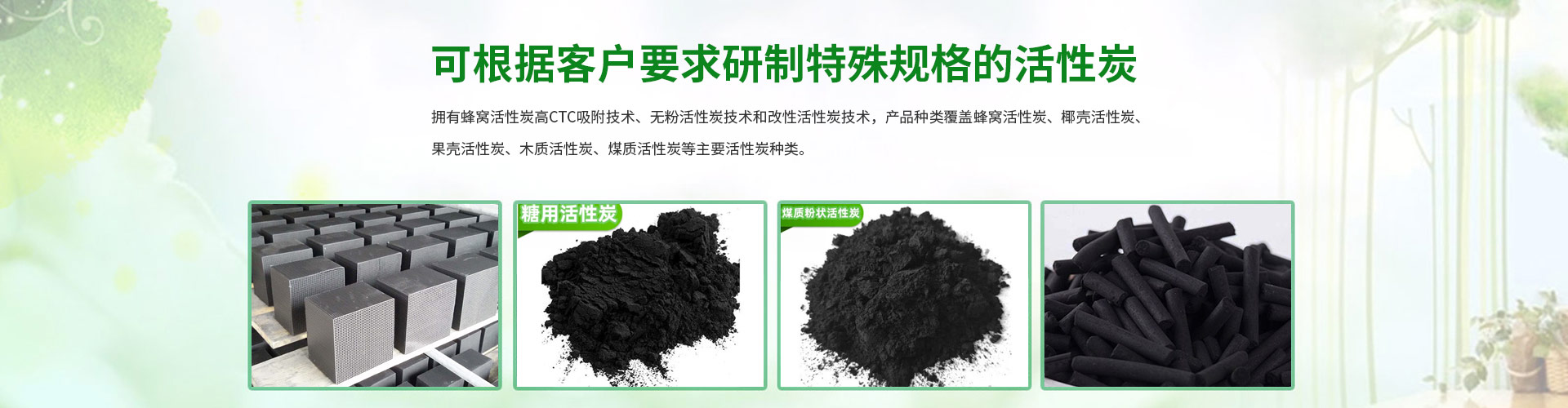

Coal-based activated carbon is a substance with excellent adsorption capabilities, suitable for applications in water treatment, air purification, and waste gas treatment. Its adsorption power is attributed to its numerous micropores and mesopores, which provide a vast surface area for adsorption, enabling it to attract various harmful substances.
Activated carbon's adsorption capability is crucial in water treatment, effectively removing various impurities and harmful substances. Additionally, it is also used for air purification,吸附 air's harmful gases and odors, leading to effective air cleaning. For waste gas treatment, coal-based activated carbon offers unique advantages, absorbing harmful gases produced by industries such as manufacturing, thereby reducing environmental pollution.
During the production of coal-based activated carbon, manufacturers can adjust the pore size and surface area to meet the requirements of various fields. Smaller pore sizes and higher surface areas offer superior adsorption capabilities, making it more suitable for environments requiring intense adsorption.
Overall, coal-based activated carbon has played a major role in environmental pollution control, widely used in water treatment, air purification, and waste gas treatment, making significant contributions to environmental protection and improvement.
