
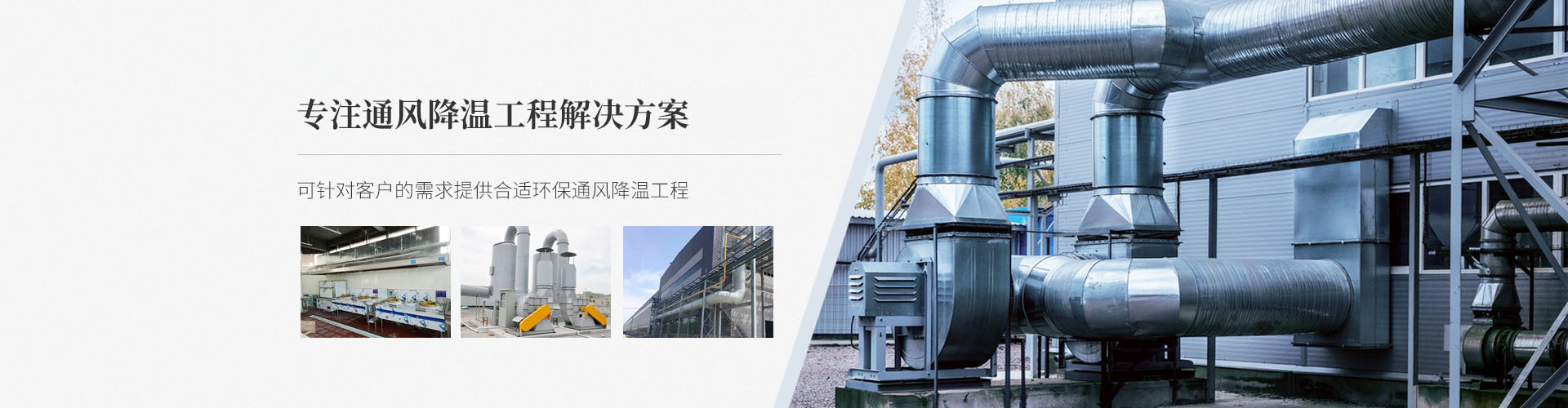
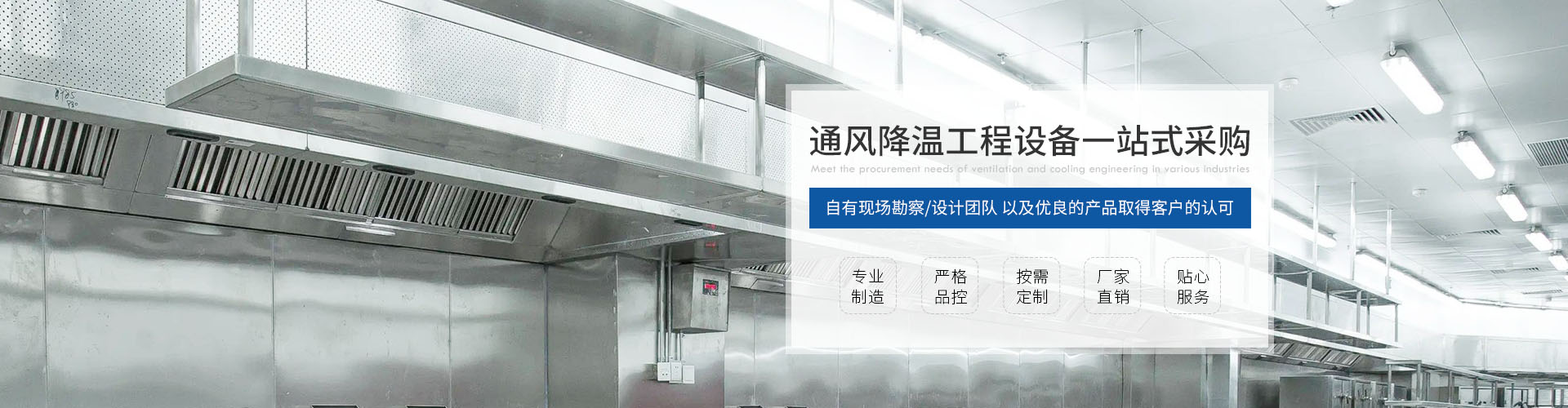
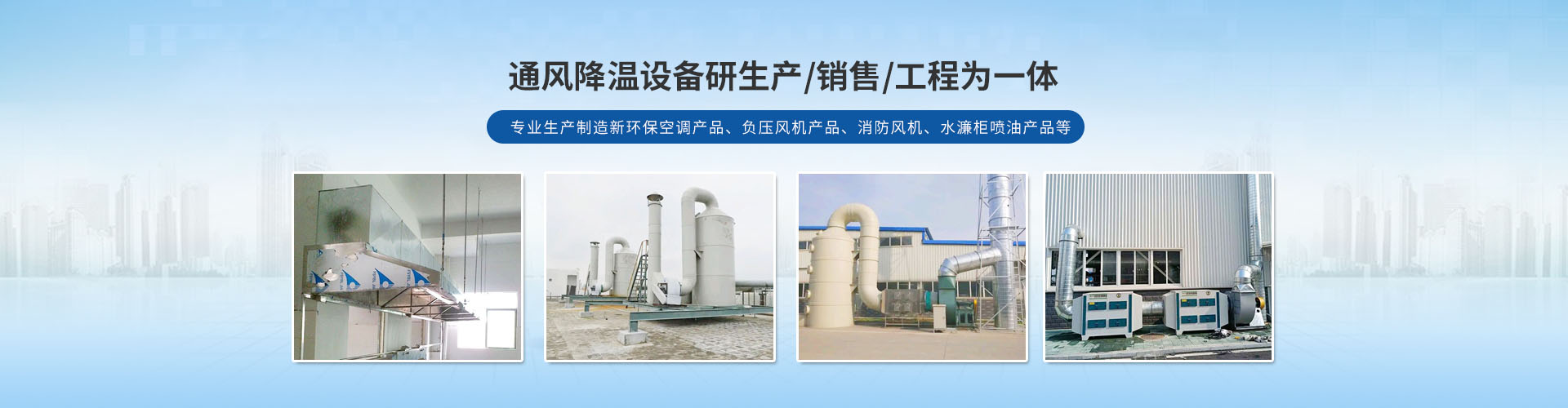

Kitchen exhaust systems are an indispensable key project in kitchen design. Kitchen ventilation systems include exhaust systems and fresh air supply systems, with the fresh air supply system acting as an auxiliary facility to ensure the normal operation of the exhaust system (some also refer to both as kitchen exhaust systems). Proper coordination between the two is essential for ensuring smooth exhaust and fresh air in the kitchen, thus guaranteeing the normal functioning of the kitchen. Let's first take a brief look at the kitchen exhaust system.
I. Composition of Kitchen Exhaust System
The kitchen exhaust system is primarily composed of a smoke hood, exhaust duct, oil mist purifier, exhaust fan, and a complete kitchen ventilation device.
II. Parameters to Calculate When Setting Up a Smoke Extraction System
Following the completion of the kitchen floor plan design, the first step is to calculate the actual operating parameters of the exhaust system components, including operating resistance and air volume.
2. To ensure the purification effect, the actual design requires the exhaust air volume to be strictly calculated based on the intake wind speed of the exhaust hood. The small exhaust air volume is usually calculated using the following formula: L = 1000PH where: L - Exhaust hood air volume, m³/h; P - Perimeter length of the hood opening (the side against the wall is not counted), unit: m; H - Distance from the hood opening to the cooking surface, unit: m.
3. After calculating the exhaust air volume using the aforementioned formula, calculate the air intake velocity at the hood opening based on the hood opening area, ensuring the air intake velocity at the hood opening is not less than 0.5 m/s.
4. During the usual calculation process, to simplify operations, the estimated exhaust volume of kitchen equipment is generally estimated based on the length of the exhaust hood, using a range of 2000 to 2500 m³/mh. For example: If a kitchen's exhaust hood is 11 meters long, with the exhaust outlet close to the hood and fewer elbows, the exhaust volume would be: 11m * 2200m³/mh = 24,200 m³/h.
The size of the kitchen exhaust volume also depends on the air resistance of the exhaust duct, the number of bends, and the wind pressure of the exhaust fan. If the resistance of the exhaust system exceeds the wind pressure of the fan, it is necessary to increase the exhaust fan.
6. While exhausting smoke, it is also necessary to replenish the kitchen with an adequate amount of fresh air, with the air supply calculated at 80% of the exhaust air volume.
7. Calculate the cross-sectional area of the exhaust and make-up air ducts based on the exhaust and make-up air volumes.
How to Set Up an Effective Exhaust System
To achieve effective exhaust air management, it is crucial to select appropriate exhaust equipment and ducts based on the air volume. Additionally, fire dampers and air volume control valves should be set up. While expelling smoke and grease, a sufficient amount of fresh air must be introduced to balance the air pressure.
In the hotel industry, kitchen design companies typically need to provide point plans for kitchen exhaust ventilation and the required volume of exhaust and makeup air. The specific design of the exhaust system is entrusted to the HVAC engineering.
