

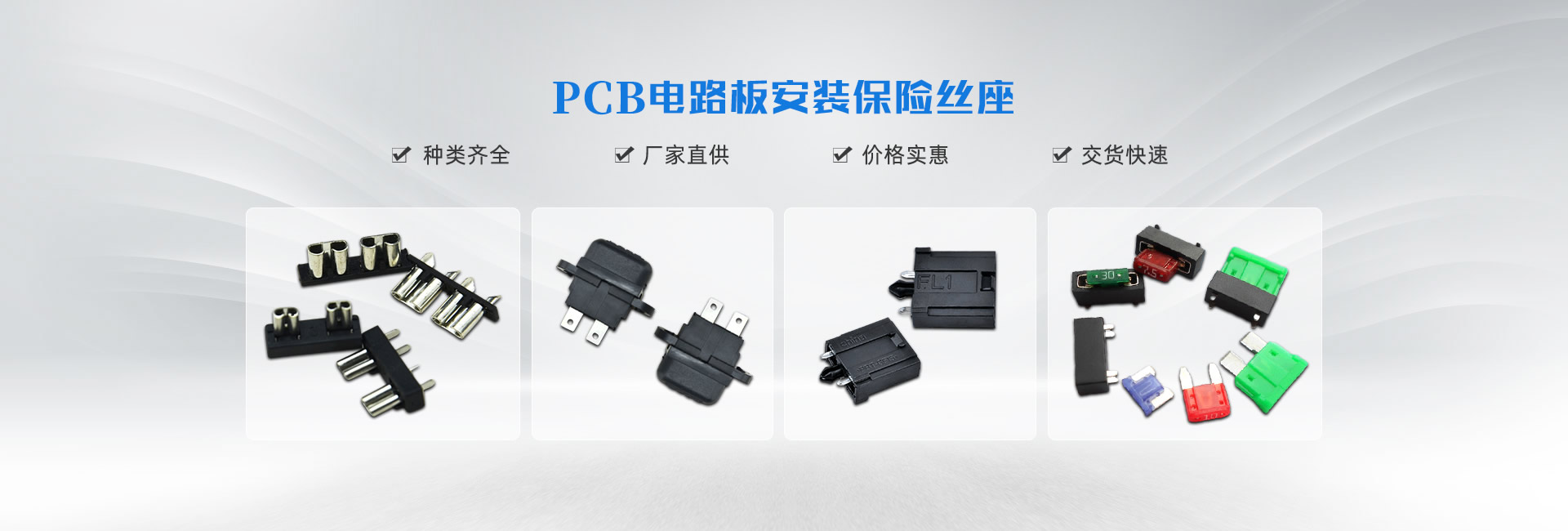


Wiring in vehicles includes numerous electrical devices connected by wires of different colors. Among these, the vehicle fuse holder, also known as the fuse in national standards, cannot be overlooked. The purpose of the vehicle fuse holder is to protect the circuit (wiring) and electrical equipment from overheating and damage due to short circuits, overloads, and even fires.
The primary function of the fuse holder during use is to protect the wiring it is paired with. When selecting one, it's crucial to install a fuse of the correct size to protect the connected wires to some extent. This way, if a device like a car radio were to suddenly draw an excessive current, the fuse would melt, preventing damage.
In most cases, vehicles have two fuse panels: one located in the engine compartment, which houses fuses for devices such as the cooling fan, anti-lock braking system pump, and engine control unit; the other fuse panel is typically situated on the dashboard near the driver's knee.
The conductor within the fuse box is made of metal similar to solder, which has a lower melting point than ordinary wire during use. Therefore, the conductor's size must be calibrated so that it can generate sufficient heat to melt when reaching the rated current.
Fuses must be replaced after they have blown to ensure the circuit operates properly. Always use a fuse with the same amp rating to replace a blown fuse. To inspect the car fuse box, remove it from the socket and then use a continuity tester to hook onto both conductors of the fuse.
