
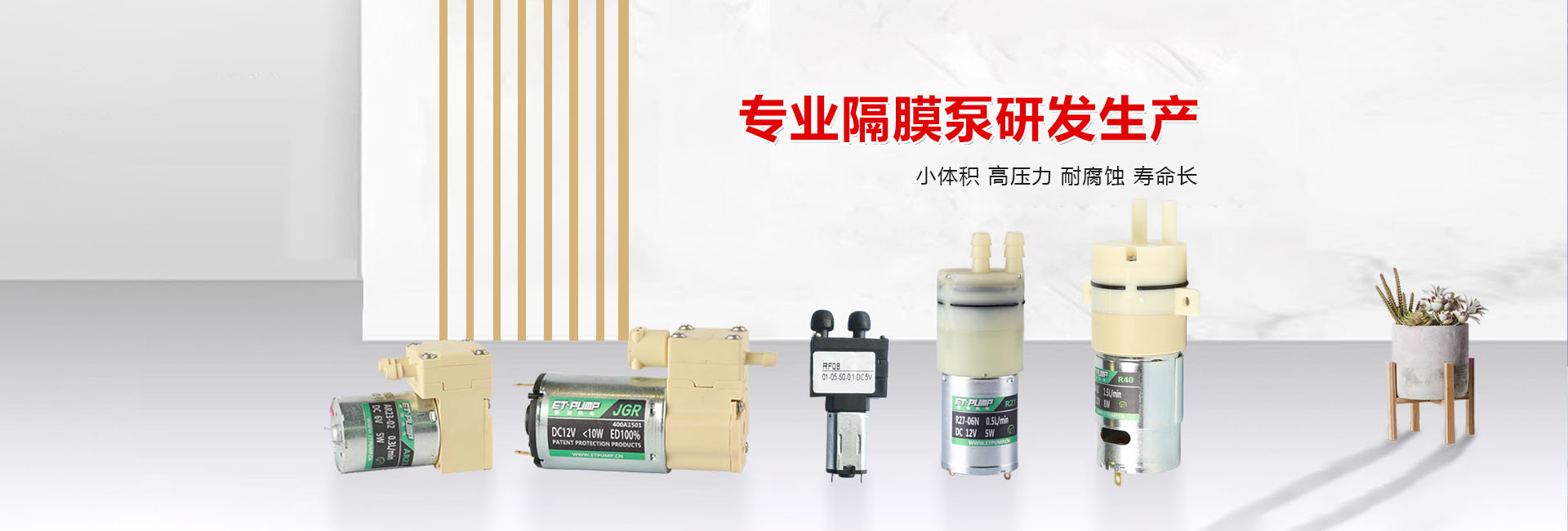
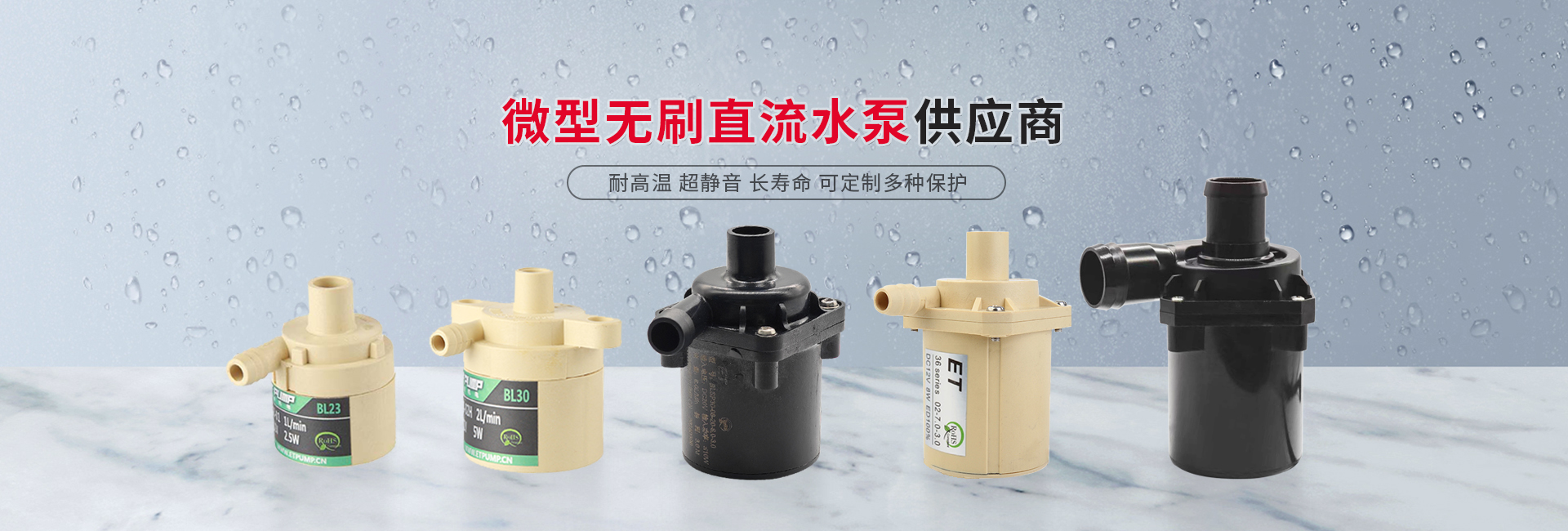
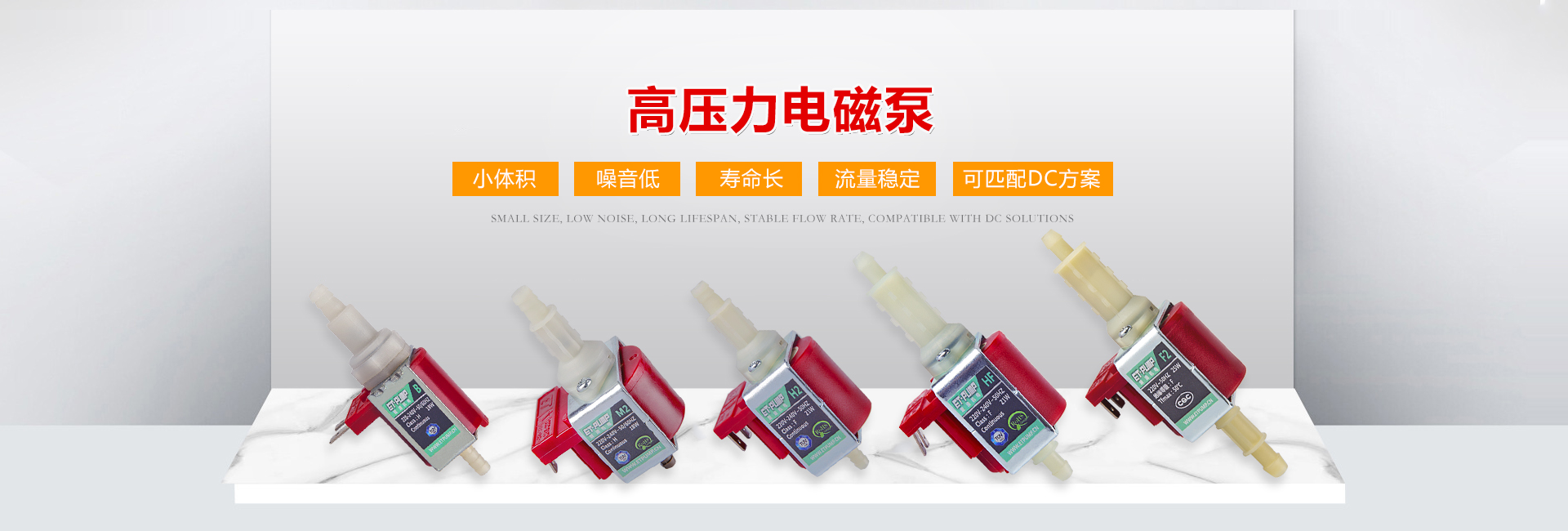

A brush pump is a traditional motor structure that operates by installing brushes on the rotor, which interact with the coils on the stator to generate an electromagnetic field, thereby driving the rotor to rotate and accomplish its function.
A brushless pump is a new type of motor structure, consisting of a rotor and a stator. Permanent magnets are fixed on the outer circumference of the rotor, while the stator's coils are evenly distributed on the outer side of the rotor. When the stator coils are energized, they interact with the permanent magnets on the rotor, thereby driving the rotor to rotate. Compared to other types, the basic structure of the brushless pump is simpler and more stable.
Difference Between Brushless and Brush Pumps
1. Regarding lifespan: Due to the continuous friction involved in the operation of brushed pumps, the brushes can wear and break, resulting in a shorter lifespan. Brushless pumps, on the other hand, do not require brushes for transmission, thus offering a longer lifespan and enhanced stability.
2. Efficiency: Due to the friction caused by the brushes, brush-type pumps have lower efficiency. Brushless pumps, however, do not require brushes and experience less friction, resulting in higher efficiency.
3. Noise Aspect: Due to the friction present during the operation of brush pumps, higher noise levels are generated. In contrast, brushless pumps have a simpler structure with less friction, resulting in lower noise levels.
Brushless pumps, with their advantages such as long lifespan, high efficiency, and low noise, are widely used in many applications. For instance, they play a significant role in fields like automobiles, power tools, and electric bicycles.
