


Type K Thermocouple Compensation Wire, Type B Thermocouple Compensation Wire, Type S Thermocouple Compensation Wire, Type E Thermocouple Compensation Wire, Type T Thermocouple Compensation Wire, Type J Thermocouple Compensation Wire, Type N Thermocouple Compensation Wire
Purpose:
This type of cable is suitable for electrical connections between various thermocouples and temperature display instruments on river and sea vessels, as well as on offshore oil platforms and other water-based structures. It significantly enhances the temperature measurement accuracy of the instruments, ensuring timely and accurate data. The cable comes in graduation numbers S, K, E, T, J, and N.
2. Standard of Execution:
IEC584-3
3. Features Usage:
Operating Temperature: Heat-resistant Grade: Up to 200℃ and 260℃
Standard Grade: 70℃ and 105℃
Minimum Radius of Curvature: Not less than 10 times the cable's outer diameter
The lifespan of the cables is not less than 25 years.
4. Electrical Performance
The 20℃ conductor loop resistance meets the IEC584 standard.
The insulation resistance of the 20℃ polyethylene insulated cables is not less than 1000 MΩ·km (varies by insulation grade according to IEC 584 standard).
The flame-retardant performance meets the IEC60332-3-22 Class A flame-retardant requirements (40 minutes of fire supply, with the carbonization height of the cable not exceeding 2.5 meters).
The cable's electrical voltage test is 500V, with 1-minute insulation not piercing through.
The cable's thermoelectric potential meets the requirements of IEC 584 standards.
The cable tolerance meets the requirements of IEC 584.
The cable meets the low-smoke, halogen-free specifications as per IEC60754.2, with halogen acid gas release not exceeding 5mg/g, and its pH value is no less than 4.3, with conductivity not exceeding 10μs/mm.
The flame-retardant cable meets the fire-resistant performance requirements of IEC60331 (90 minutes of fire supply + 15 minutes after the fire is extinguished, flame temperature 750℃ (0~+50℃), with normal power supply to the cable and no electrical connection.)
Low-smoke performance of cables: The smoke density (transmittance) of the cables is not less than 60%. Meets the standard requirements of IEC61034.
The cable also boasts low-toxicity properties! It does not release harmful gases when burned!
5. Cable Structure:
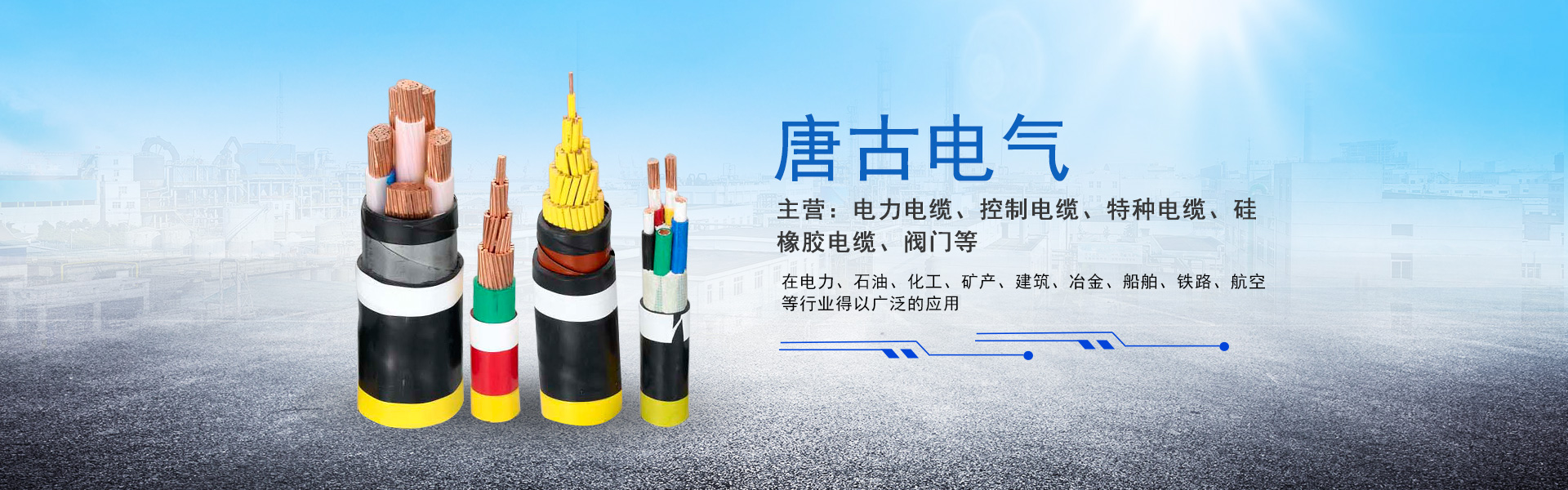
Alloy wire conductors use different conductors depending on the gauge, and typically, the positive and negative conductors are not the same. Conductor structures are divided into solid conductors and stranded conductors.
The insulation utilizes extruded packaging insulation. This extrusion method helps to reduce the presence of gases between the conductor and the insulation, preventing the entry of moisture and other impurities.
The core wire differentiation is typically done through color coding, which must comply with IEC 584 standards. The colors can be selected and processed according to on-site requirements for ease of installation.
The inner sleeve/sheath (only when armored) is made of high flame-retardant, low-smoke, halogen-free material. This material does not contain halogens.
Shielding (if applicable) can be achieved through either wrapping shielding or woven shielding. When using wrapping shielding, a single drain wire (ground wire) is employed.
The armor layer is woven in a fabric pattern. This style offers good flexibility, facilitating the laying of cables. The woven armor materials include tin-plated copper wire and tin-plated steel wire, both of which provide excellent corrosion resistance.
The outer sheath material is also a low-smoke halogen-free material. This type produces no harmful gases during combustion and generates minimal smoke. It is widely used in areas with high human traffic.
Cable markings can be printed as per actual requirements.
6. Cable Model:
6.1 Cable model with polyethylene insulated, low-smoke, halogen-free outer sheath structure:
CB-(tune mark) - GS(HS) Y(F/V)P2(P3/P1/P)EW95(85)-1(2/3)/SC(NC)
6.2 Model Description:
CB - marine compensation cable
Y - Ethylene Insulation; V - Polyvinyl Chloride Insulation (Halogen Containing)
F-F46 High Temperature Insulation
Tuners - featuring KCB, KCA, KX, EX, NC, JX, TX, and more.
GS - Generally used with J-level secrecy; HS - High-temperature use with J-level secrecy
P2 - Copper Polyester Film; P3 - Aluminum Polyester Film; P1 - Tin-Plated Copper Wire Braid Shielding; P - Copper Wire Braid Shielding
EW - Low-Smoke, Halogen-Free Polyolefin Sheath
95% galvanized steel wire braided armor and low-smoke halogen-free outer sheath (braiding density not less than 84%);
85 - Tin-plated copper wire braid armor and low-smoke halogen-free outer sheath (braid density not less than 84%);
-1 - Partial blocking only; -2 - Partial and total blocking; -3 - Total blocking only
Halogen content less than 5mg/g; low toxicity characteristics
