
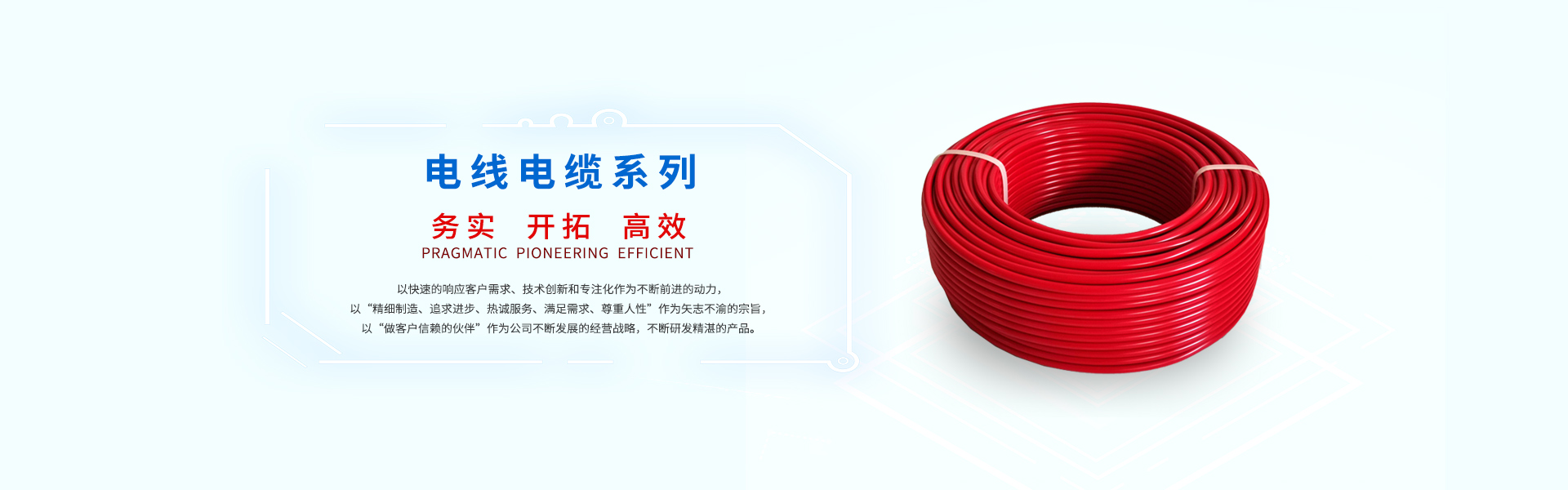

Cables and wires are commonly used items in our daily lives. Common faults in cables and wires are basic knowledge known by every cable factory. Having this basic knowledge can help prevent being caught off guard when a fault occurs, allowing for timely troubleshooting. Today, I'll explain these to you.
Section 1: Wire and Cable Repair Methods
1. Patching methods for punctures, hole eyes, and collapse pits
Defects are trimmed with a knife, then cut into plastic blocks of uniform size with 45-degree angles, placed on the repair area. Secure them with pliers or a screwdriver, and then use a hot air weld gun to weld them continuously. Flatten and compress the joints using copper sheets. When welding plastic, ensure the heat gun's air temperature is not too high to prevent burning of the repair area. After repairs, the repaired defects are tested with a spark machine, and no penetration is considered合格.
2. Patching Methods for Discolored Areas, Cracks, Dents, and Tears
By cutting a 45-degree bevel at the defective area of the plastic layer, remove blocks or strips of plastic with consistent shape, color, and thickness. After securing them with pliers or a screwdriver, use a hot air welding gun to join them. Then, flatten and tighten them with copper sheets. Finally, after being tested by a spark machine, no punctures indicate the piece is qualified.
Section II: Main Processes of Wire and Cable Production
Cable wires are produced through three processes: drawing, twisting, and sheathing. The more complex the models and specifications, the higher the repeatability.
1. Drawn
In metal forming, the technique of forcing metal through molds (press rolls) under external force, compressing the metal's cross-sectional area, and achieving the required shape and size of the cross-section is known as metal drawing.
Drawing processes: Single fiber drawing and twisted drawing.
Twisting
To enhance the flexibility and uniformity of wires and cables, the process of intertwining two or more single wires together in a specified direction is known as twisting.
Conducting processes: conductor stranding, cable making, braiding, wire armor, and winding.
3. Encapsulation
Based on the varying performance requirements for wire and cable, different materials are used to coat the conductors. The coating processes include:
A. Squeezed packages: Materials such as rubber, plastic, lead, and aluminum.
B. Woven Wrapping: Rubber, corrugated aluminum strip materials.
Coating materials: Strip-shaped paper tape, mica tape, alkali-free glass fiber tape, non-woven fabric, plastic tape, linear cotton yarn, silk, and other fiber materials.
D. Coating: Insulating varnish, asphalt, etc.
That concludes the explanation. For more information about the company, please consult our website customer service.
