
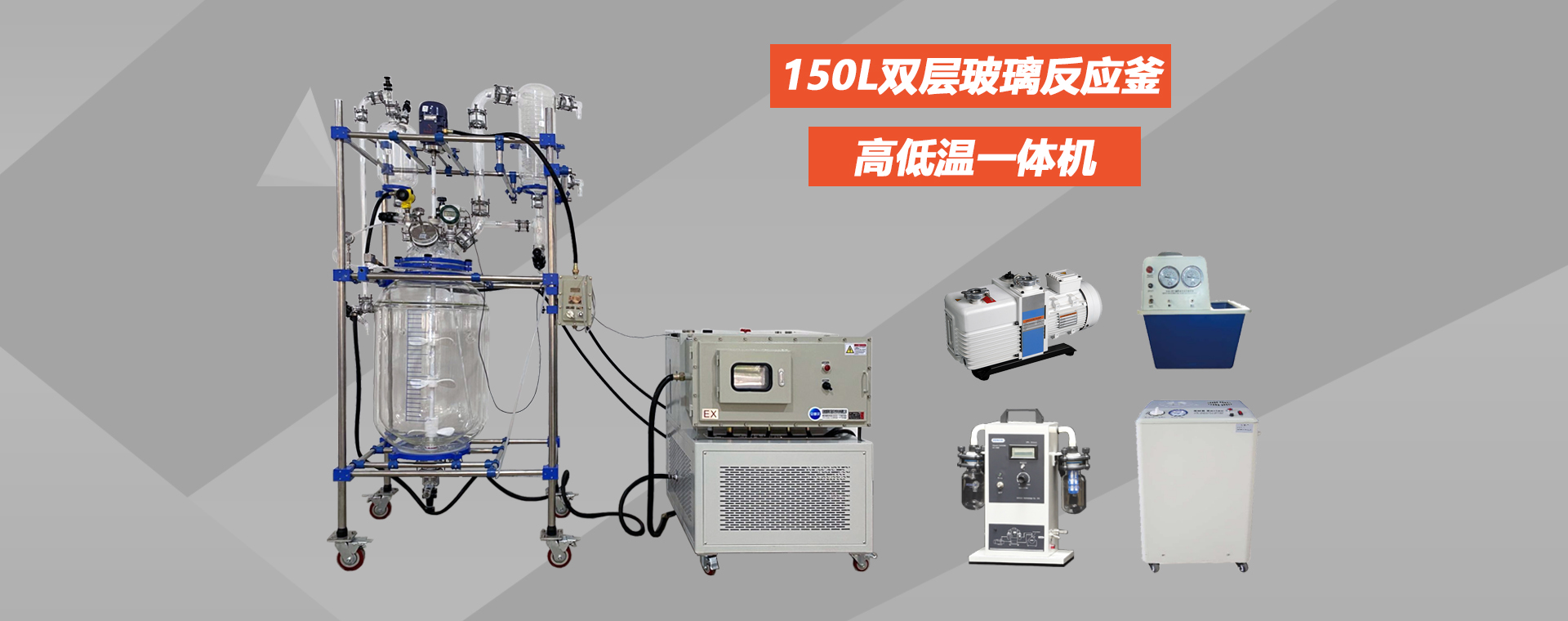

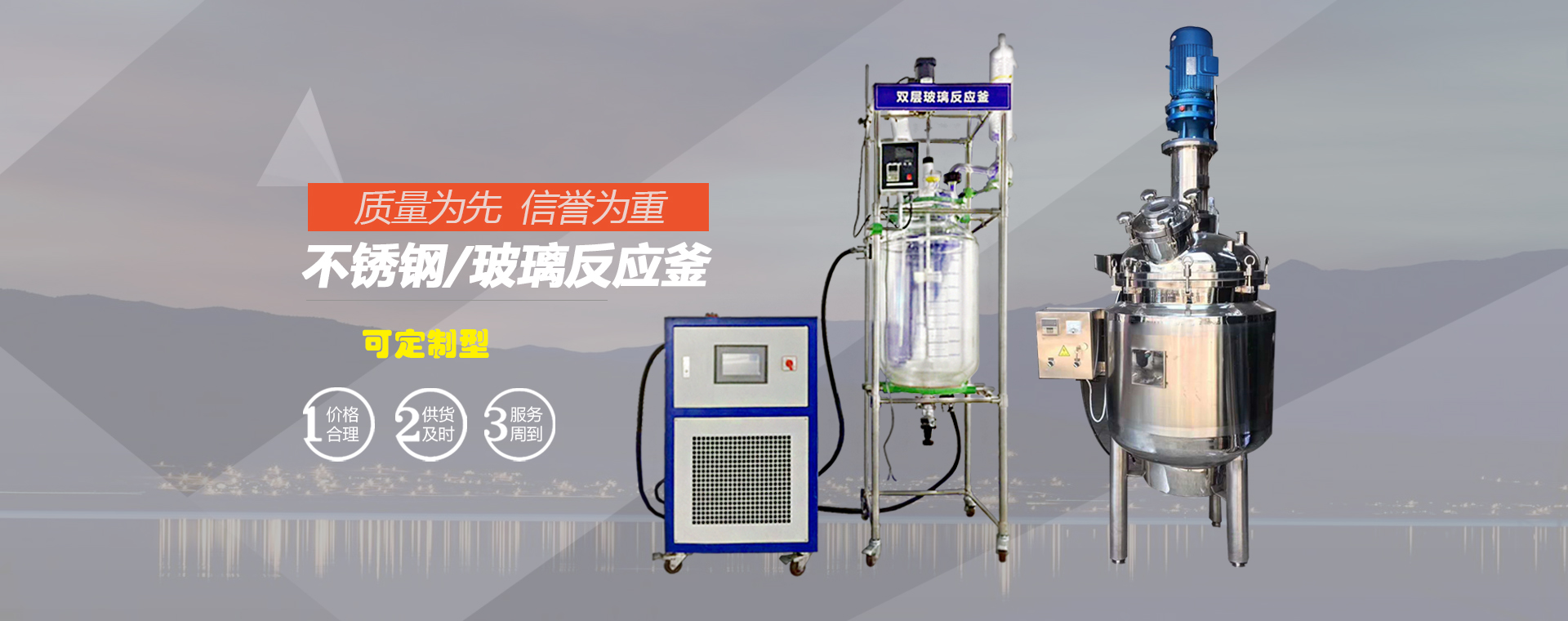

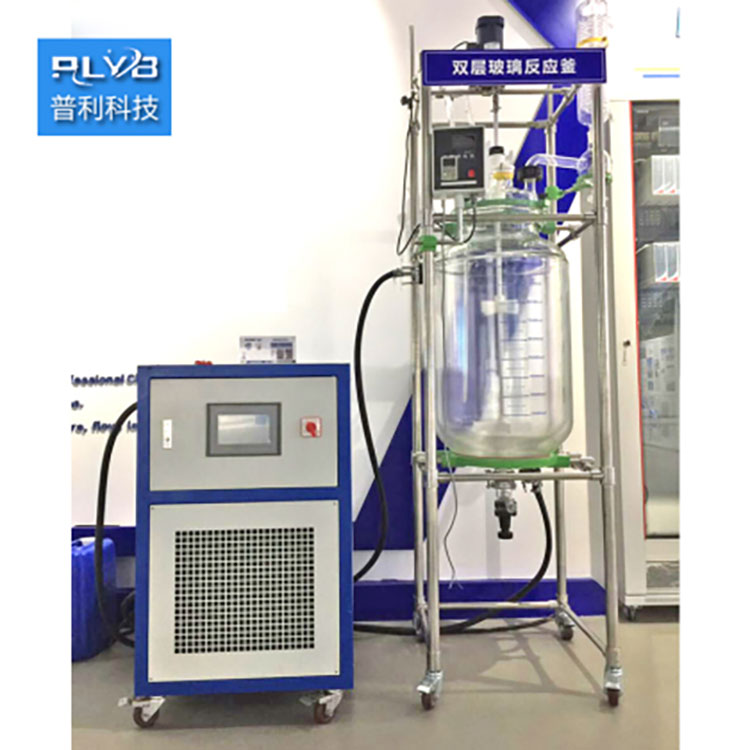
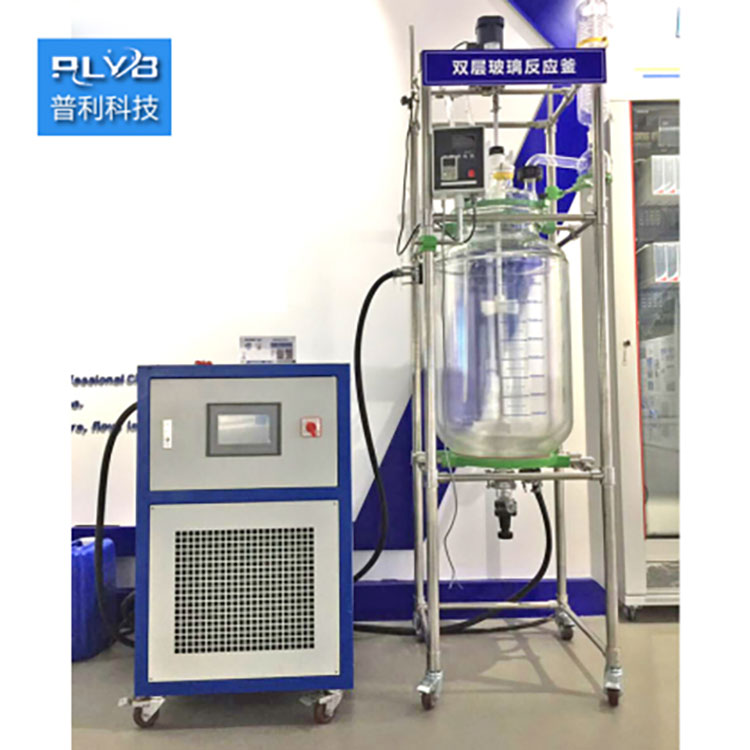
The glass reactor is a double-layered glass design, with the inner layer housing the reaction solvent, capable of performing stirred reactions. The spacer can be connected to various sources of hot and cold (cryogenic fluid, hot water, or hot oil) for circulating heating or cooling reactions. Under set constant temperature conditions, the sealed glass reactor can conduct stirred reactions under atmospheric or vacuum conditions as required, and can also carry out reflux and distillation of the reaction solution. It is an ideal pilot and production equipment for modern fine chemicals, bioproducts, and new material synthesis.
Technical Features
· Overall stainless steel upright column mobile frame structure, five-port reactor cover, complete with reflux, addition of liquid, temperature measurement, etc. full set of glassware.
· Selected with G3.3 borosilicate glass, offering excellent chemical and physical properties.
· Alloy steel mechanical seal, Teflon connection, maintaining high precision sealing in working condition.
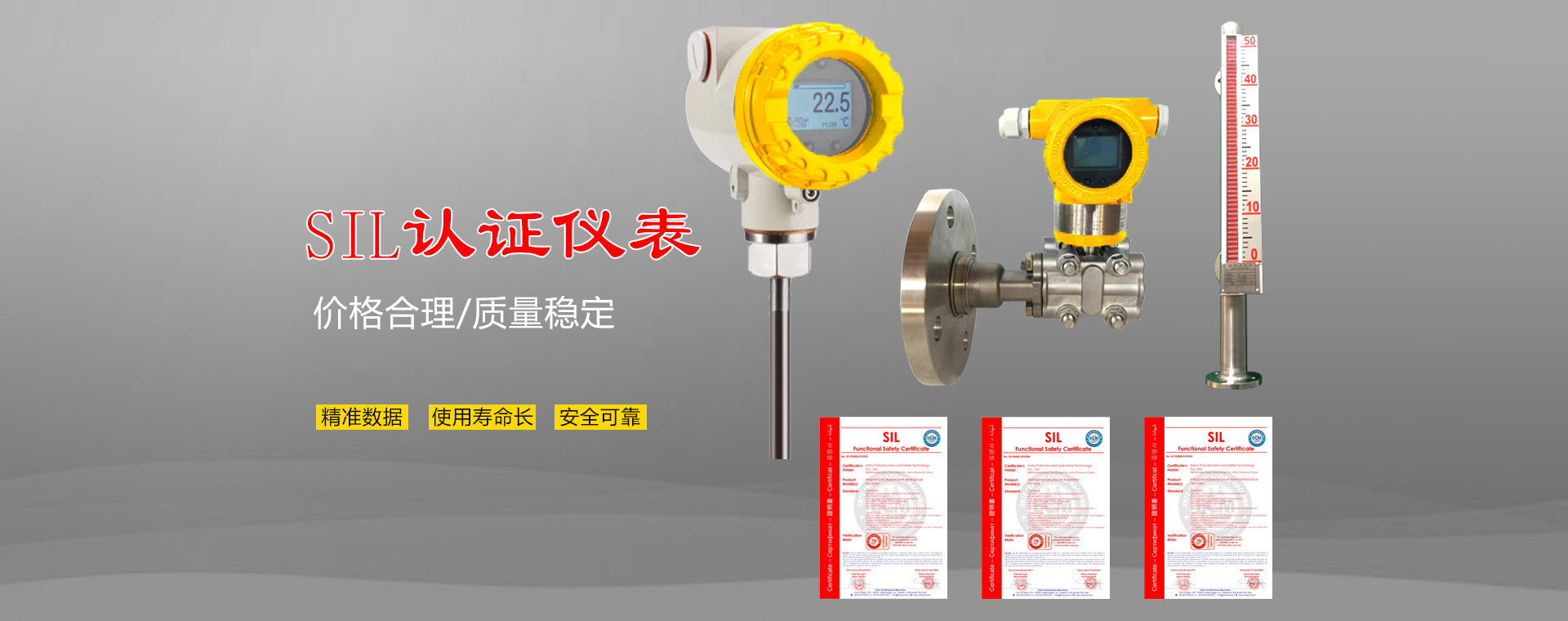
· Pt100 temperature sensor probe with high accuracy and low error, effectively enhancing work efficiency.
· Japan Technology Exchange Gearbox Reducer Motor, high torque, noiseless.
· Dual polytetrafluoroethylene mixing blades, suitable for stirring and blending low to high viscosity liquids.
PTFE discharge valve with movable interface, for thorough and quick discharge.
High and Low Temperature Reactor Circulation System Intelligent Control System (Standard Model):
The intelligent control system employs self-tuning PID algorithm, adaptable to various environments and equipment, with high temperature control accuracy. The device features temperature calibration, offering more precise temperature measurement than standard thermostats. The prominent control panel is easy and quick to operate.
Local and Remote Control Systems (Programmable Type):
You can connect the device to a PC via RS232, RS485 interfaces, or an aviation connector. Use the computer to modify device parameters and control it, or promptly send various operating parameters of the device to the computer. These signals are of standard relay node type, allowing for easy information exchange with connected equipment. The connected signals provide protection for user equipment, effectively enhancing the safety of device operation. Additionally, the device supports external control signal input, capable of receiving TTL signals or contact signals, allowing external equipment to independently control the chillers.
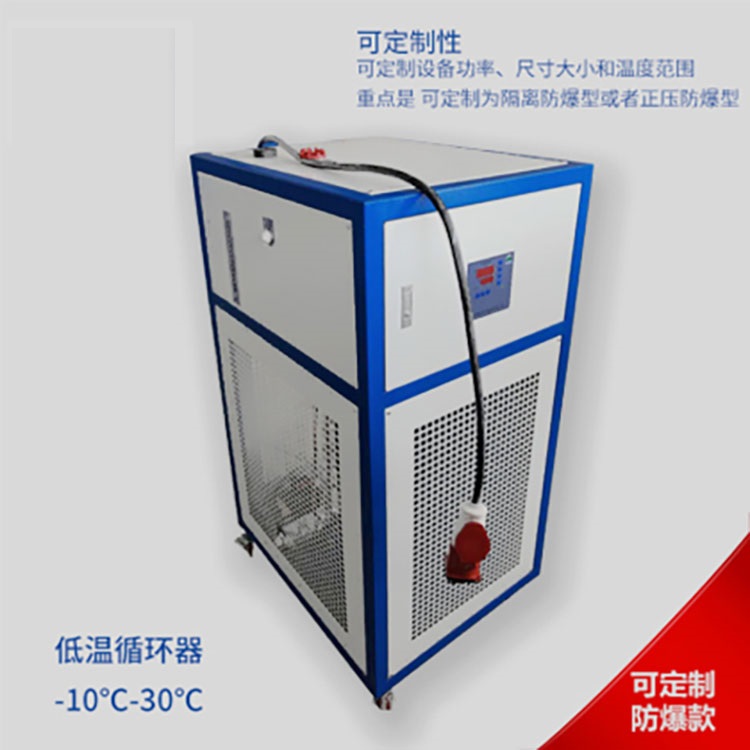
High/Low Temperature Circulation System for Reactor Features
1. Utilizes a closed-loop system, where the heat-conducting fluid is less prone to vaporization and oxidation at high temperatures, and oil mist is minimized; under low temperatures, it is less affected by environmental conditions, thereby extending the service life of the heat-conducting fluid.
2. High-Temperature/Refrigeration: Directly start refrigeration when lowering from high to low temperatures, ensuring continuous operation and temperature control to accelerate experimental progress, save resources, and enhance work efficiency.
3. The refrigeration heat exchangers utilize full brazed plate heat exchangers, featuring compact space usage and high heat exchange efficiency.
4. The recirculating pump features a high-temperature-resistant oil pump, offering advantages of high-temperature resistance, low noise, and high flow rate.
5. Over-temperature protection, leakage protection, overcurrent protection, and various other safety features ensure the safety of both users and equipment.
6. Attractive appearance, compact size, and reasonable structure.
7. We offer models with both air-cooled and water-cooled pre-cooling options, tailored to customer requirements.

