
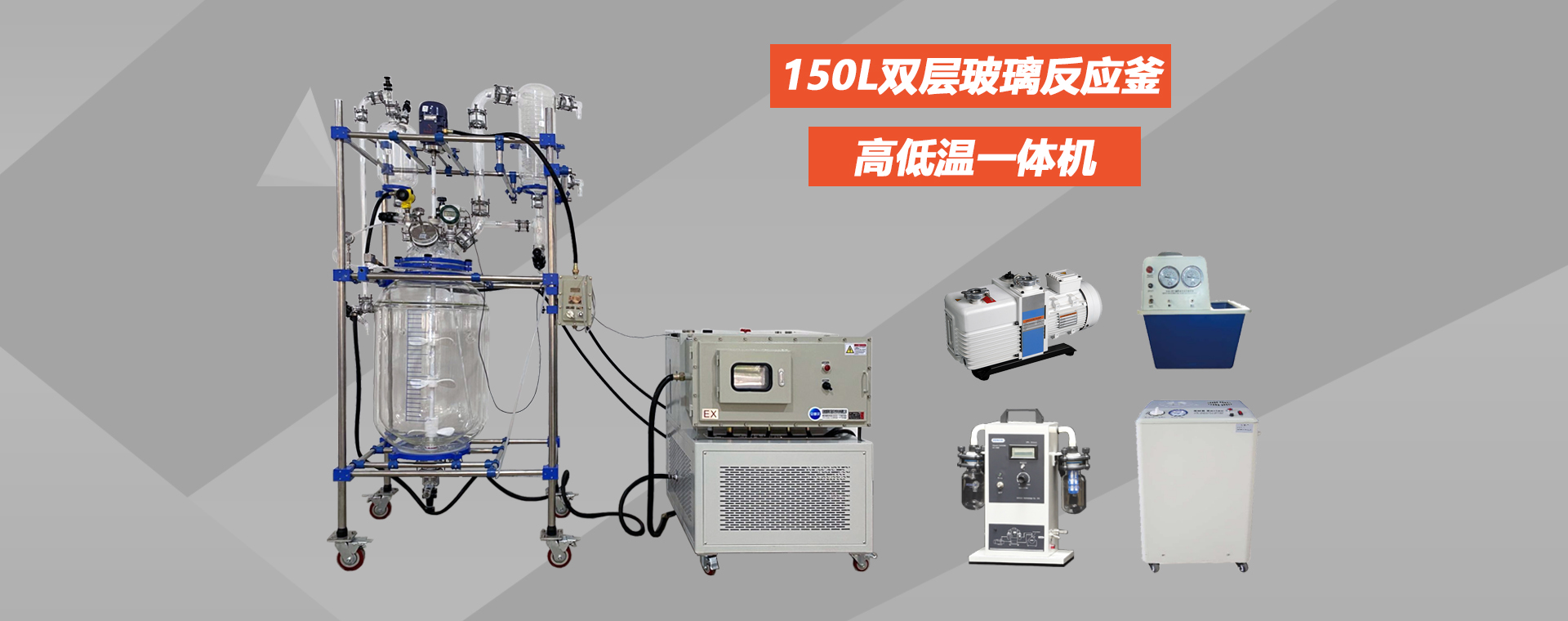




With a variety of glass reactors available, such as single-layer, double-layer, and triple-layer glass reactors, among others, these reactors often encounter issues like dirt and wear during use. Such dirt and wear can significantly impact their performance. Therefore, Puri advises everyone to thoroughly understand the maintenance details of glass reactors. So, what are the key maintenance tips? Listen as Puri shares with you.
Prima offers you the maintenance details for glass reactors.
Before use, inspect the glass reactor flask for any cracks, ensure all joints fit properly, and handle it with care. The power connection must have a reliable grounding wire to ensure the outer shell is safely grounded.
2. Avoid impacts during disassembly, cleaning, and use of glassware to prevent breakage.
Wipe the interfaces with a soft cloth and apply a small amount of vacuum grease.
4. Do not tighten the interfaces of the glass reactor too much; they should be periodically loosened to prevent long-term tightness from causing the connectors to seize.
5. Power on the switch first, then operate the instrument from slow to fast. Ensure the instrument is in a stop position before turning off the switch. Avoid running the glass reactor reaction vessel with no load during use.
6. Prior simulation process experiments should be conducted on valuable solutions before transitioning to regular use.
Do not overtighten the PTFE switches at various locations to prevent damage to the glass.
8. After each use, clean the instrument surface thoroughly with a soft cloth to remove any oil stains, dirt, and solvent residues to maintain cleanliness.
9. The bathtub must be filled with water or oil before plugging in the power. Always unplug the power after use. If there is scale buildup, it should be cleaned promptly to prevent damage to the heating element.
The discharge valve of the glass reactor should be cleaned regularly to maintain the vacuum level of the equipment.
After shutdown, loosen the PTFE switches; long-term idleness in the working state can deform the PTFE piston.
Regularly inspect the wear or corrosion of the sealing rings and promptly replace those that are worn or corroded to maintain the high vacuum level of the instrument.
Regularly clean the seals: Remove the seal to check for dirt on the shaft, wipe it clean with a soft cloth, apply a small amount of vacuum grease, and then reattach it. Ensure the shaft and seal remain smooth.
14. Electrical components must not be exposed to water or moisture. It is strictly prohibited to heat them directly with electric furnaces or open flames. When evaporating flammable, explosive, toxic, corrosive, or valuable solutions, appropriate safety precautions must be taken and relevant safety operation regulations must be adhered to.
Please purchase genuine factory parts; using any other parts may cause fatal damage to the instrument.
Always disconnect power and water supply before any repairs or inspections on glass reactors.
