
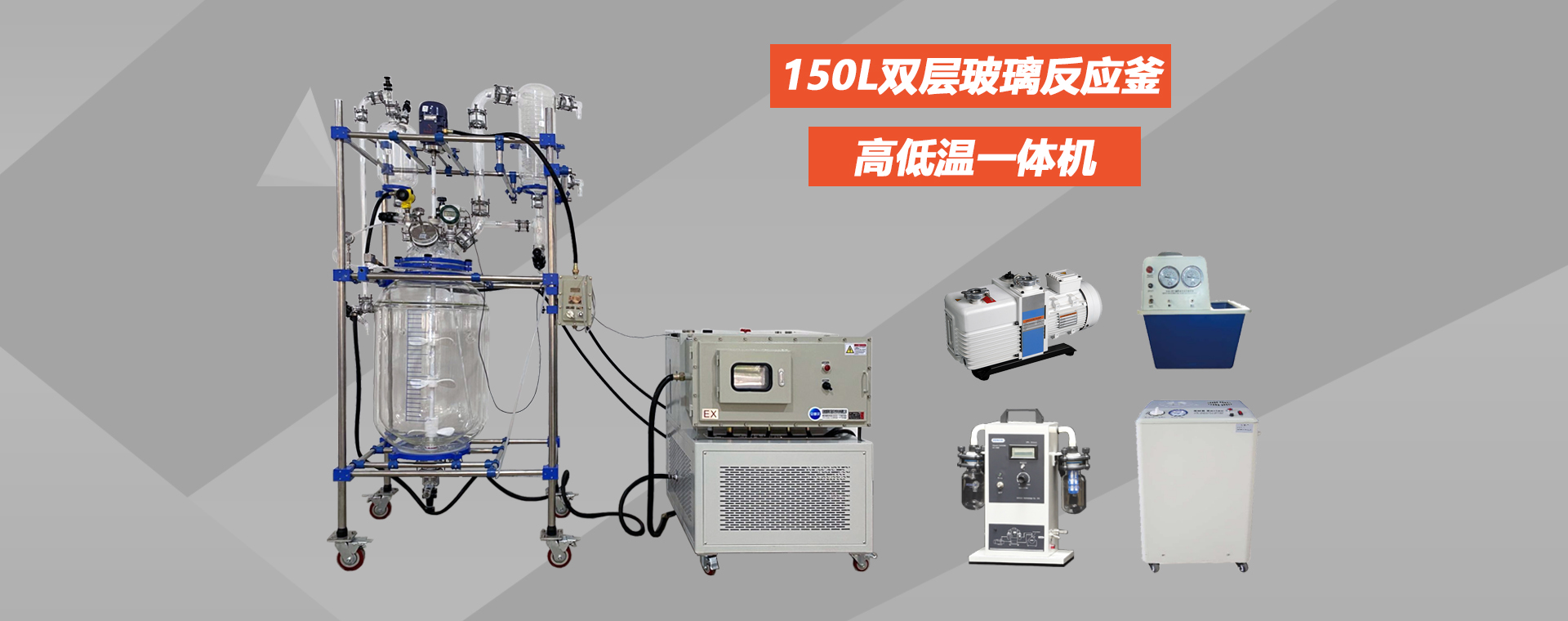




With the widespread use of all-temperature range machines across various industries, it is inevitable to understand the working power of these machines. The calculation of all-temperature range machine power must be combined with the heat exchanger and trial operation conditions.
Heat transfer is the process in which a fluid on one side of a wall passes through the wall to reach a fluid on the other side. In the heat exchange equipment of refrigerators, heat transfer can be basically summarized as the heat transfer through flat walls, round tubes, and auxiliary walls. Before conducting heat transfer calculations, the form of the heat exchanger and the heat load have already been determined in the selection and circulation calculations. However, the temperature difference between the heat transfer, the heat transfer area of the exchanger, the flow rate of the cooling medium, or the flow rate of the cooling medium must be considered during the heat transfer calculation process.
Heat transfer temperature is related to the flow rate of the medium and the form of heat exchange. Values are typically determined through technical and economic analysis, then selected based on experience.
Based on given heat exchange conditions, fluid properties, temperature and pressure ranges, etc., select the type of heat exchanger and flow pattern.
Identify the four unknown temperature variables at the inlets and outlets based on given conditions.
Determine the average temperature difference based on the average export temperatures of cold and hot.
Calculate the heat exchange area based on the heat transfer equation.
⑤ Calculate the fluid resistance of the heat exchange pair. If it does not meet the actual requirements, please rearrange the heat exchange surface and repeat the above steps.
News Center Co., Ltd.
