
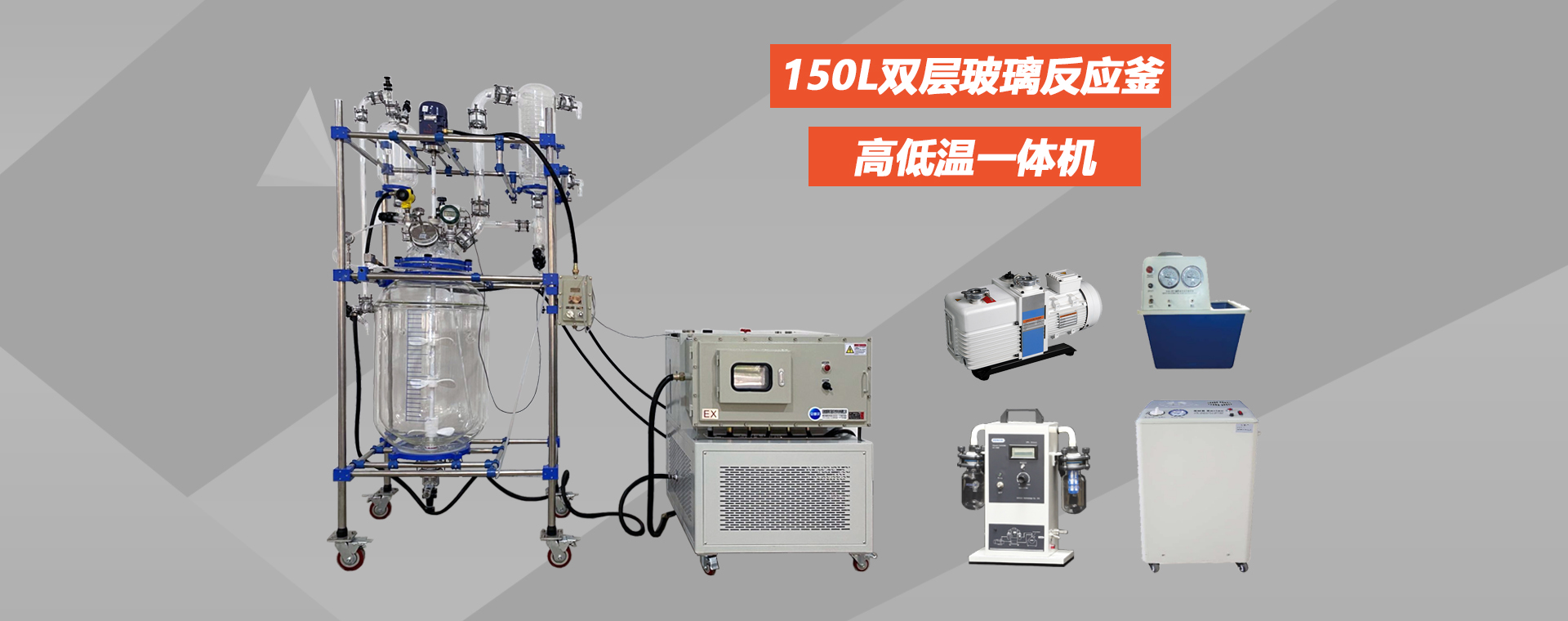



The all-temperature unit is a two-in-one circulating equipment that combines high and low temperature devices, featuring a rational product structure, simple operation, and strong stability. Its entire circulation system is airtight, equipped with an expansion container within the system. When the thermal body circulates, it is insulated, integrating high, medium, and low temperature heat sources into one unit. However, excessive noise can still occur during daily use. We will delve into this in detail below:
1. The hydraulic pump experienced a suction failure.
When air enters the oil, it forms cavitation in the high-pressure area, which spreads as pressure waves, causing oil oscillation and resulting in noise from the system's cavitation. Clogged hydraulic pump filters, inlet pipes, and excessively high oil viscosity can all cause excessive vacuum at the intake port, allowing air to seep in. Damaged shaft end seals or unsealed covers on the hydraulic pump and pilot pump can also lead to air entry. Additionally, do not let the oil level in the oil tank drop below the bottom line, as this can cause the inlet pipe to suck air.
2. Excessive wear on internal low components
For instance, the servo valve core of hydraulic pumps and the piston controlling flow can experience local wear or tear, causing the piston to pulsate during operation. This leads to fluctuations in the output flow and pressure of the hydraulic pump, resulting in significant vibration and noise at the pump outlet. Additionally, the distribution plate of the hydraulic pump is also a component prone to generating noise. During the operation of high and low-temperature integrated machines, wear on the distribution plate or the accumulation of dirt at the opening of the unload groove can shorten the groove, altering the unload position. This phenomenon, known as oil locking, can cause increased noise. Even after our planishing repair, the distribution plate may still exhibit a shortened unload groove. If we fail to promptly adjust its length, substantial noise may still occur.
