
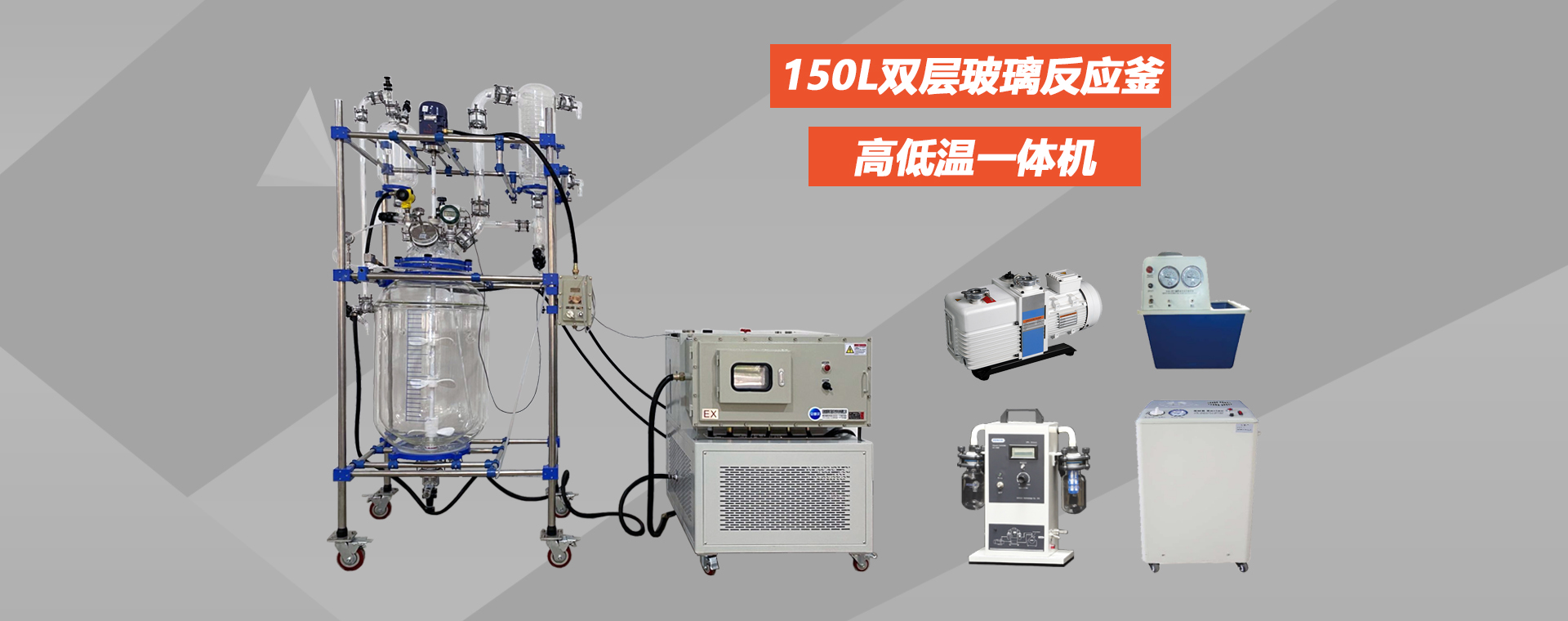
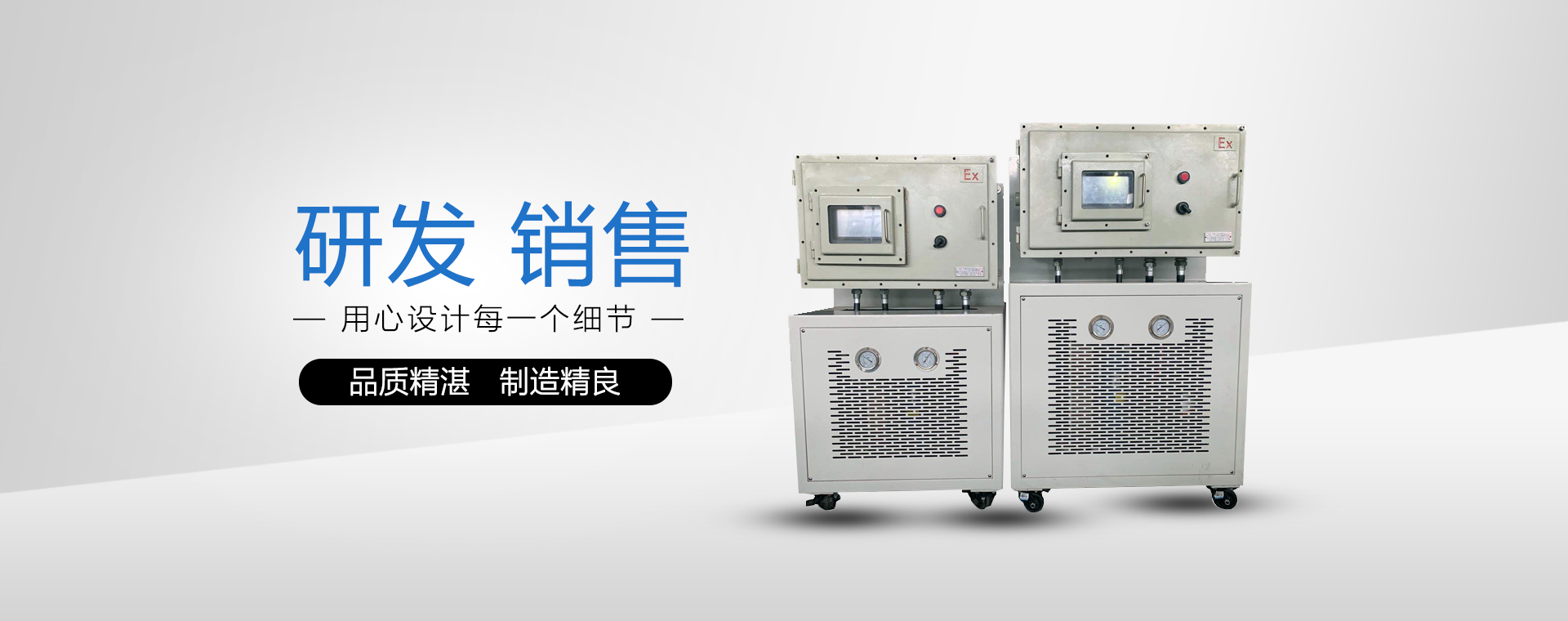

High and low temperature integrated machines may generate high-pressure gases due to operating conditions or system layout, which can lead to carbon accumulation in lubricants or decomposition of refrigerants, causing abnormal operation or even failure of the compressor. In such cases, an exhaust temperature protection device should be installed.
If there is a possibility of a large amount of liquid refrigerant or lubricating oil for the absorbent refrigerant in the compressor due to the layout of the high and low temperature integrated system or the location of the compressor, a heating device for the lubricating oil inside the crankcase must be used. The higher temperature produced by the heater continuously vaporizes the refrigerant, preventing issues with the lubricant supply.
To ensure the safe and reliable operation of the all-temperature refrigeration system, it is imperative to equip the refrigeration system with a high-pressure controller. The high-pressure controller must be connected to the high-pressure port of the compressor or to any point on the exhaust pipe. However, it should not be connected to an interface that may be cut off.
All oil pumps on the high and low temperature integrated machine are equipped with bypass valves to limit the oil pressure to approximately 4.2 bar. The bypass valves are set by the manufacturer and cannot be altered manually. The normal oil pressure is about 1.05 to 4.2 bar higher than the crankcase pressure. To measure the oil pressure, connect a pressure gauge to the needle valve on one side of the oil pump tee, and the other pressure gauge to the tee on the crankcase or the compressor suction cut-off valve.
All oil pumps on the high and low temperature integrated machine utilize bypass valves to limit oil pressure to approximately 4.2bar. The bypass valves are set by the manufacturer and cannot be altered manually. Normal oil pressure is about 1.05bar to 4.2bar higher than the crankcase pressure. To measure oil pressure, connect a pressure gauge to the needle valve on one side of the oil pump tee and the other pressure gauge to the tee on the crankcase or the compressor intake shutoff valve.
If the high and low temperature integrated machine leaks after installation, first use a torque wrench to retighten the bolts. The torque wrench prevents over-tightening and slippage. Refer to the compressor manual for the allowable torque. If retightening the bolts does not stop the leak, replace the cylinder head, shut-off valve, base, and the gaskets on the compressor housing cover. However, if the compressor cannot effectively evacuate air after replacing the gaskets, it is recommended not to replace the gaskets. In principle, new gaskets must be used after the installation, replacement, or repair of the cover, cylinder head, valve plate, and similar components. Under any circumstances, the compressor must be evacuated before restarting.
If the high and low temperature integrated machine equipment leaks after installation, first use a torque wrench to retighten the bolts. The torque wrench prevents bolts from being over-tightened and slipping. Refer to the compressor manual for the allowable torque. If retightening the bolts does not stop the leak, replace the cylinder head, shut-off valve, base, and seal gasket on the compressor cover. However, if the compressor cannot effectively vacuum after replacing the seal gasket, it is recommended not to replace the seal gasket. In principle, new seal gaskets must be used after the installation, replacement, or repair of the machine cover, cylinder head, valve plate, and similar components. Under any circumstances, the compressor must be evacuated before restarting.
