
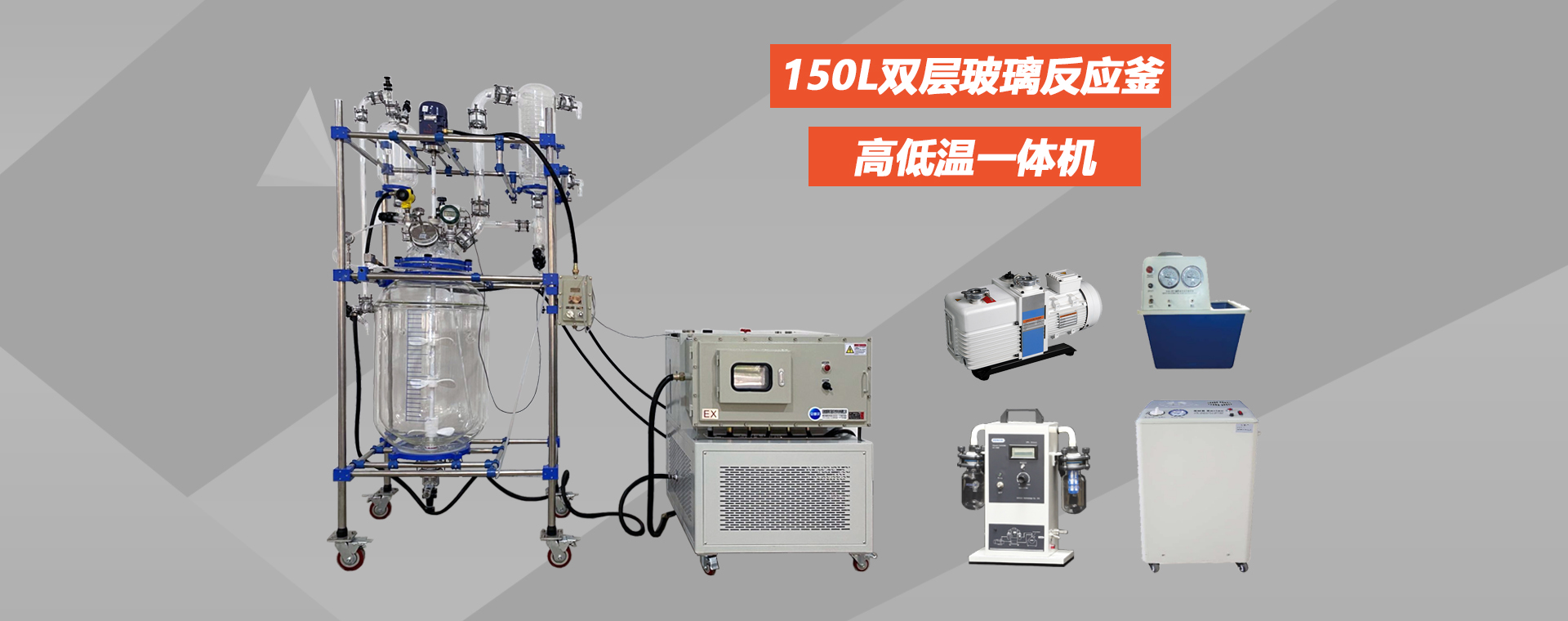
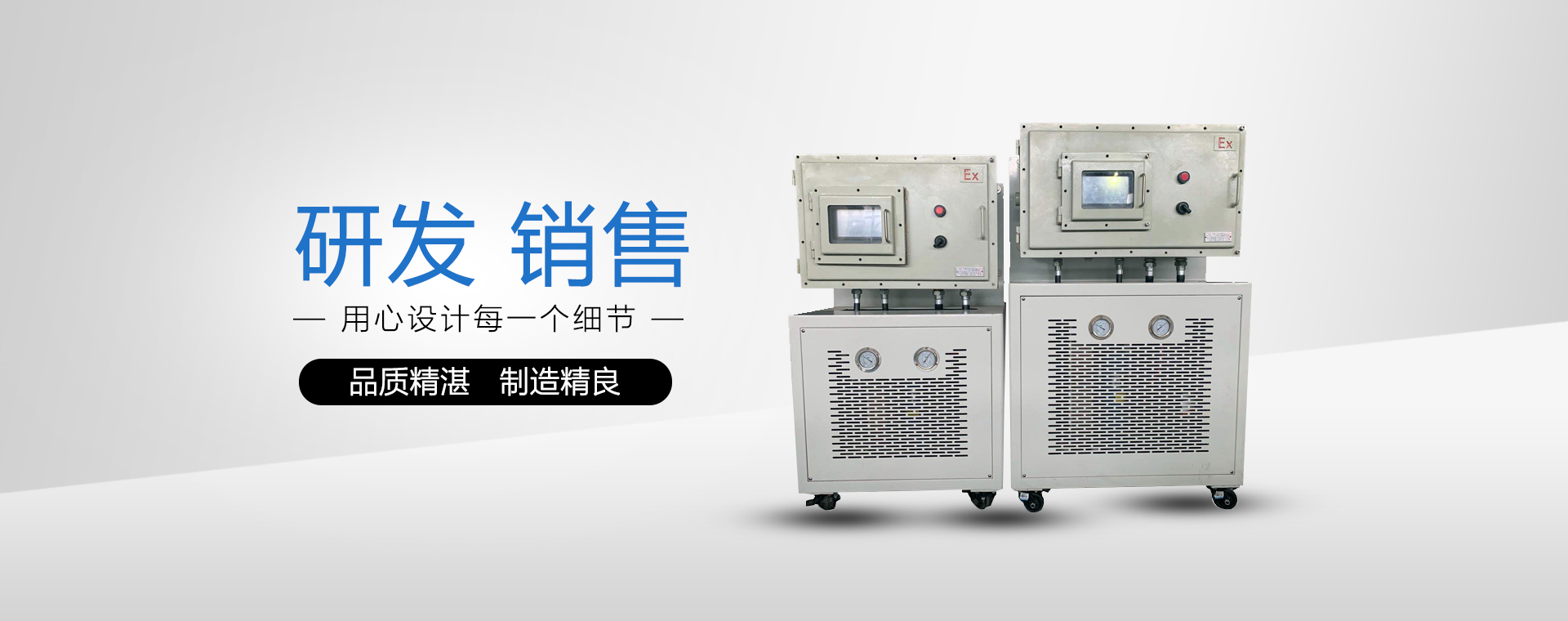
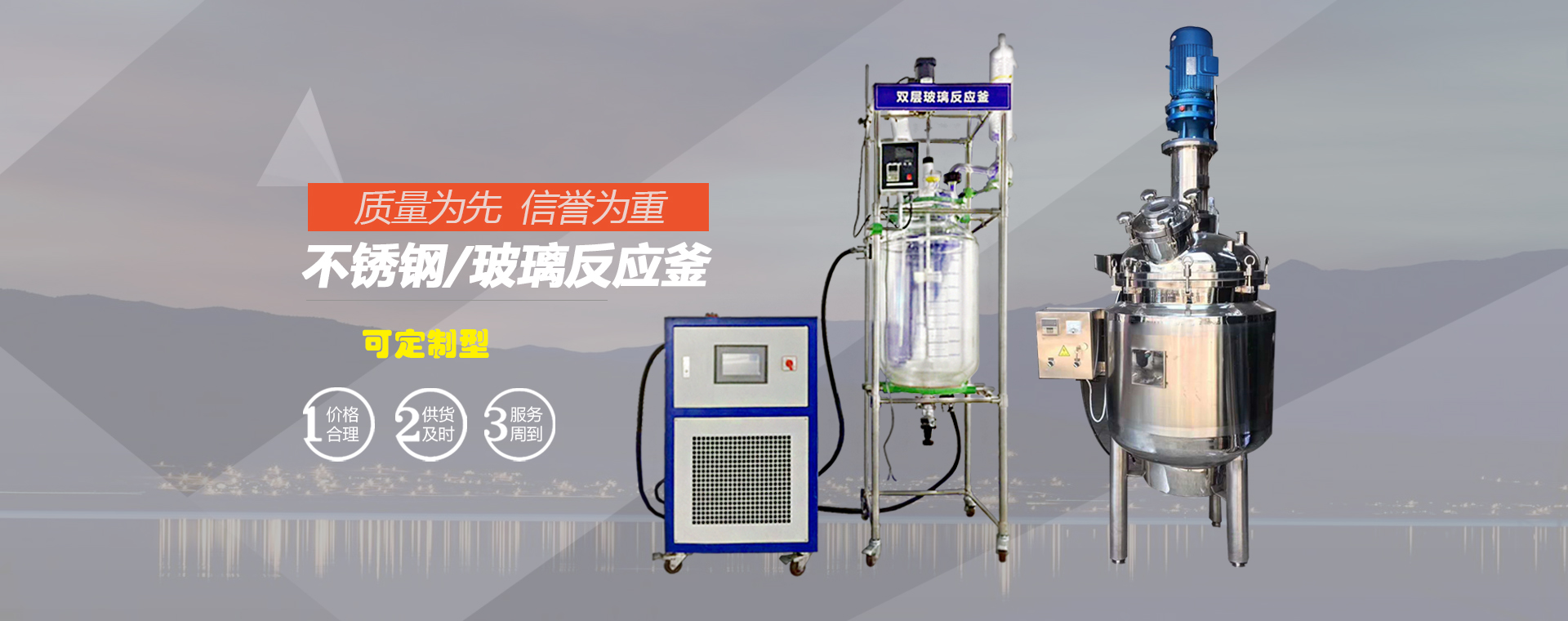

The High-Low Temperature Unit is a machine that combines both cooling and heating functionalities, with an entirely sealed liquid circulation system. It features a broad operating range and is used in industries such as chemicals and biology, providing both heat and cold sources for reactors and tanks. It can also be employed for heating and cooling other equipment. Suitable for controlling heating and cooling processes during reactions, it linearly controls the temperature of materials inside the vessel and offers programmable control modes. The temperature difference between the heat transfer medium and the material can also be set. Equipped with a combined heating and cooling container, it boasts a large heat exchange area, rapid heating and cooling rates, and a relatively low demand for thermal oil. So what should you do when faced with minor malfunctions?
Resonance Causes of Fixed Parts in High and Low Temperature Integrated Machines:
1. The cement foundation is too light, or the grouting is poor, or the flat dimensions are too small, causing the wind turbine foundation to disconnect from the subsoil, with loose anchor bolts and an unstable base due to loose machine frame connections; 2. The stiffness of the wind turbine base or volute is insufficient; 3. The inlet and outlet pipes connected to the wind turbine lack support and flexible joints; 4. Adjacent facilities are too close to the wind turbine's foundation, or their stiffness is too low.
Approach:
1. Reinforce foundations or re-grout, tighten nuts. 2. Enhance stiffness; 3. Add supports and soft connections; 4. Increase rigidity.
Vibration Cause: Imbalance in the Rotating Element of High and Low Temperature Integrated Machine
1. The high and low temperature integrated machine fan blades are severely corroded or worn;
2. The fan blades do not operate after assembly due to the weight of the impeller and the main shaft, causing the shaft to bend;
3. Uneven deposits on the impeller surface, such as rust, dust accumulation, or asphalt;
4. Deformation of the impeller due to transportation, installation, or other reasons, leading to the impeller losing balance;
5. Balance weights on the impeller have fallen off or were not balanced after maintenance.
Processing Method:
1. Repair or replacement; 2. Re-inspection, after full assembly, if not used for a long time, regular wheeling should be performed to prevent shaft bending; 3. Remove attachments; 4. Repair the impeller and conduct a new static and dynamic balance test; 5. Achieve balance.
News Center Co., Ltd.
