
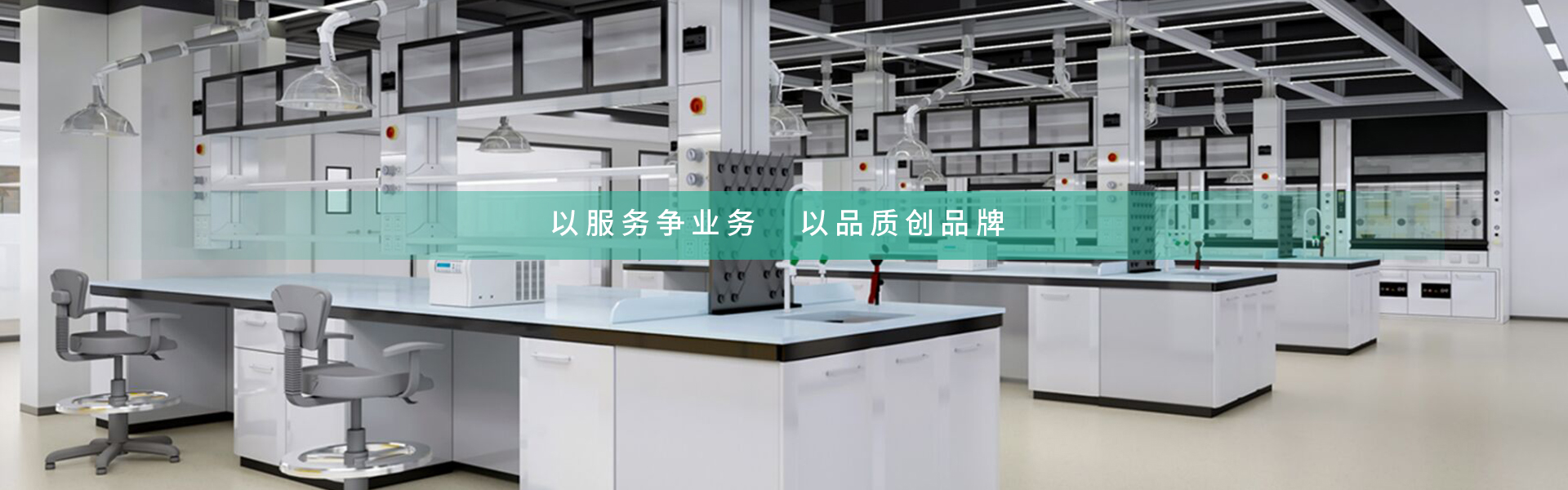


In recent years, with the continuous advancement of modern technology, "people-oriented" and "human-environment harmony" have increasingly become areas of focus. Laboratory work environments differ from standard office settings, requiring higher technical standards and special attention to detail. Moreover, the needs of laboratories across various fields vary significantly, with considerable differences in their requirements.
Important Considerations in Laboratory Design
The rational layout of the lab, planned with a view to development.
2. Interior design style, selection of construction materials
3. Optimal distribution of people flow, logistics, and air flow
4. Control of air exchange rates and pressure differences in the laboratory
5. Laboratory water, electricity, and gas facility support
6. Laboratory wastewater and emissions treatment.
The basic principles of laboratory design have been summed up: the flow of people, materials, and air must be unobstructed; clean areas, buffer zones, and contaminated zones should be separated.
In designated experimental areas, the number of workers and transport personnel should be controlled. While designing laboratory corridors, it is also necessary to consider the establishment of some reserve areas, such as specimen and sample reception, entry for laboratory staff, and visitor access. Samples or specimens should be transported by staff, automatic transmission systems, wind systems, or other automated systems. Internal communication systems and alarms should also be considered for notifications or alerts (e.g., disasters, fires, sample arrivals, or parts of the laboratory seeking assistance). We should also consider expansion.
The demand for laboratory space has prompted the expansion or relocation of the lab design to accommodate the future development needs of the expanding laboratory. Transportation and computer network systems are used for the transport of samples or specimens within the lab and for information exchange between the lab and various departments of the organization.
