


A positive work environment can boost productivity, making the layout and atmosphere of a lab crucial. So, how should a lab be designed for optimal efficiency? How do you choose lab furniture? What should be considered when selecting lab design and construction, as well as lab furniture?
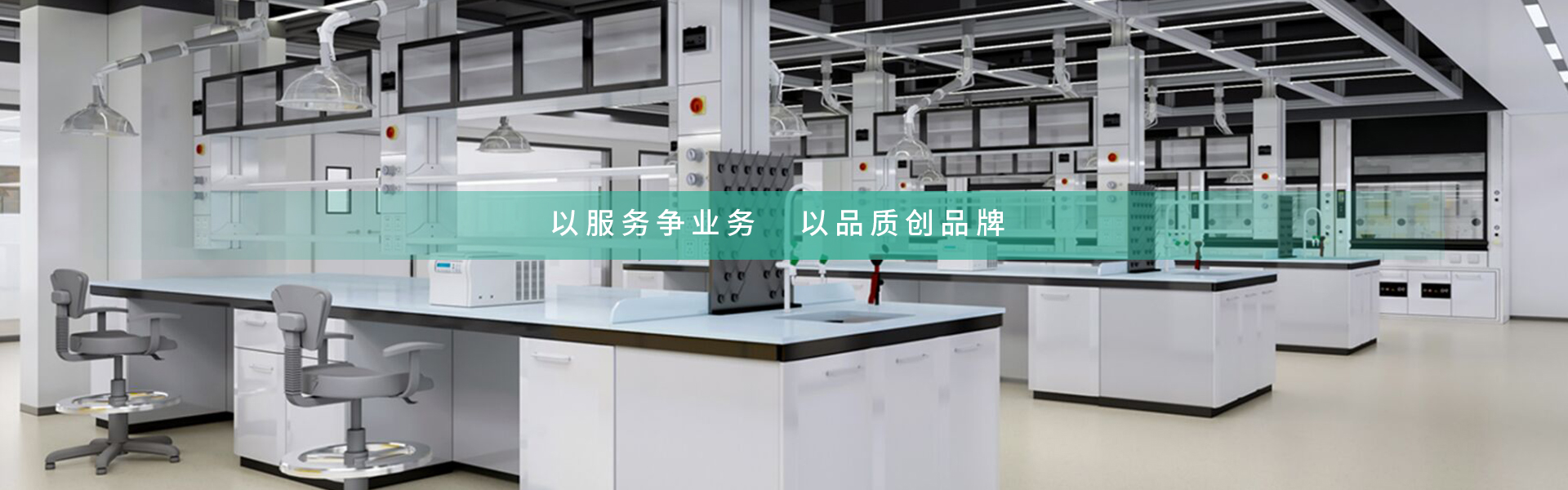
Common furniture includes ventilation cabinets, closed-circuit television, side tables, reagent cabinets, instrument cabinets, storage cabinets, laboratory cabinets, testing benches, suspended ceiling platforms, and protective covers.
The test benches are categorized by material, including full steel, full wood, steel-wood, and aluminum-wood types. The tabletops can be made of chemical board, ceramic board, or epoxy resin board to achieve characteristics of acid and alkali resistance, as well as abrasion resistance.
Based on the function of the test bench, it can be categorized into central stations, side stations, washing stations, instrument stations, chromatography stations, operation stations, purification stations, and physical stations. In terms of material, they include full steel test benches, steel-wood test benches, aluminum-wood test benches, and full-wood test benches. The wardrobe is a subcategory derived from the wardrobe category. Its primary function is to provide storage and dressing spaces for staff. Due to the special nature of hygiene, wardrobes do not use wooden ones as moisture can easily breed bacteria, affecting indoor air quality and hygiene safety.
The construction of a laboratory is not just about purchasing furniture and equipment. A laboratory is an integrated entity, and its layout requires comprehensive consideration. Electrical power, gas supply, and ventilation are indispensable.
Laboratory safety is of paramount importance. If the furniture arrangement in the lab is not properly designed, it may lead to hazardous evacuation issues. The configuration of the experimental bench must be reasonable, with safety being the top priority.
Ventilation issues directly impact the effectiveness of ventilation systems. Poor ventilation can even compromise the environment in imaging labs, posing a risk to the safety of laboratory personnel. Ventilation pipes should be properly arranged.
