Electromagnetic Lifting Magnets | Overhead Electromagneti...


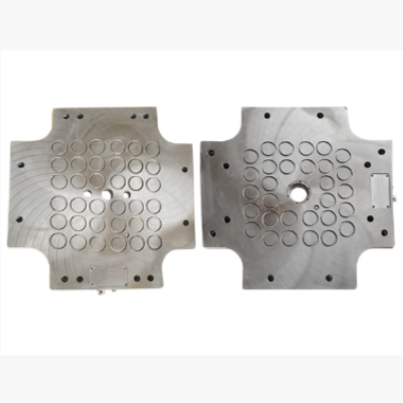
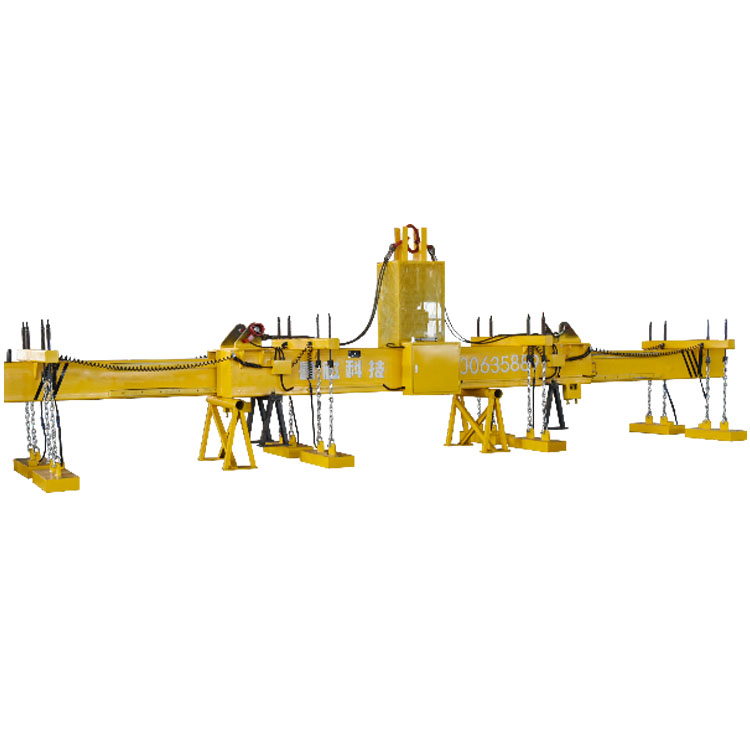
Electromagnetic clamps and mechanical fixtures each have their unique characteristics in the aspects of workpiece clamping and fixation. Below is a comparative analysis of the two.
I. Working Principle
Electromagnetic Clamps: These are used to attract workpieces through electromagnetic force and typically consist of three parts: the rectifying circuit, control circuit, and protective circuit. The rectifying circuit converts AC power to DC, the control circuit manages the generation and disappearance of electromagnetic force, and the protective circuit ensures the safety of both the electromagnetic clamp and the workpiece.
Mechanical Clamps: Clamp workpieces using mechanical structures (such as clamps, bolts, etc.), and maintain the workpiece's stability through frictional force or mechanical locking force.
II. Performance Features
Electromagnetic Clamp:
Quick Clamp: Electromagnetic force can be quickly generated and dissipated, allowing electromagnetic clamps to rapidly clamp and release workpieces.
Operation Simplified: Typically, clamping and relaxing can be achieved simply by turning the control switch, making the operation quick and easy.
No damage to workpiece: As the electromagnetic force is uniformly distributed over the surface of the workpiece, it does not cause any marks or damage.
The magnetic chuck can cover a larger area while simultaneously holding multiple small workpieces.
Workpiece heating during processing allows for free expansion: The clamping force of the electromagnetic chuck on the workpiece is uniform and has a certain elasticity, thus enabling the workpiece to expand freely due to heating during processing without deforming.
High Machining Precision: Due to the uniform and stable clamping force of the electromagnetic chuck, the machining accuracy can be improved.
Mechanical Fixture:
High Clamping Force: Mechanical fixtures typically offer a strong gripping power, ensuring secure and stable fixation of workpieces.
Broad Application Range: The mechanical fixture is adaptable to workpieces of various shapes and sizes, achieving clamping through adjustments of the grippers or bolts, etc.
Cost-Effective: The manufacturing cost of mechanical fixtures is typically lower compared to electromagnetic clamps.
Limitations
Electromagnetic Clamp:
Electromagnetic Clamps Lack Clamping Force: While electromagnetic clamps can quickly grip workpieces, their clamping force is typically less than that of mechanical fixtures.
Adjustment Complexity: The clamping force of electromagnetic clamps is typically achieved by adjusting the current size, which is more complex than the adjustment of bolts or clamps on mechanical fixtures.
Electromagnetic Clamps Require DC Power Supply: As electromagnetic clamps operate on direct current power, consideration must be given to the power supply during use.
The electromagnetic chuck can only hold ferromagnetic materials (such as iron, nickel, cobalt, etc.), but is unable to hold non-magnetic materials (such as copper, aluminum, etc.).
Mechanical Fixture:
The clamping range is limited: The clamping jaws or bolts of mechanical fixtures typically have certain size limitations, thus preventing the gripping of excessively large workpieces.
Lower precision: When high precision machining is required, the holding stability of mechanical fixtures may not be as good as that of electromagnetic chuck.
Surface damage to workpieces: Overly tight clamping force or severe wear on the clamps can cause mechanical fixtures to damage the workpiece surface.
Section 4: Application Scenarios
Electromagnetic Clamps: Ideal for applications requiring quick clamping and releasing of workpieces, high surface quality requirements on workpieces, simultaneous holding of multiple small workpieces, and situations where workpieces may expand due to heating during the machining process.
Mechanical fixtures: Designed for applications requiring high clamping force, larger workpiece sizes, and a certain level of cost consideration.
In summary, electromagnetic clamps and mechanical fixtures each have their own advantages and disadvantages. The choice should be based on the specific application scenario and requirements.


b2b.china9.net © Zhongshang 114 Hebei Network Technology Co., Ltd.Address: Room 6009, Oriental New World Center, No.118 East Zhongshan Road, Qiaoxi District, Shijiazhuang City, Hebei ProvincePlatform Service Hotline: 4006299930