
Product Details

Main Products: Laboratory wastewater treatment equipment, integrated sewage t...

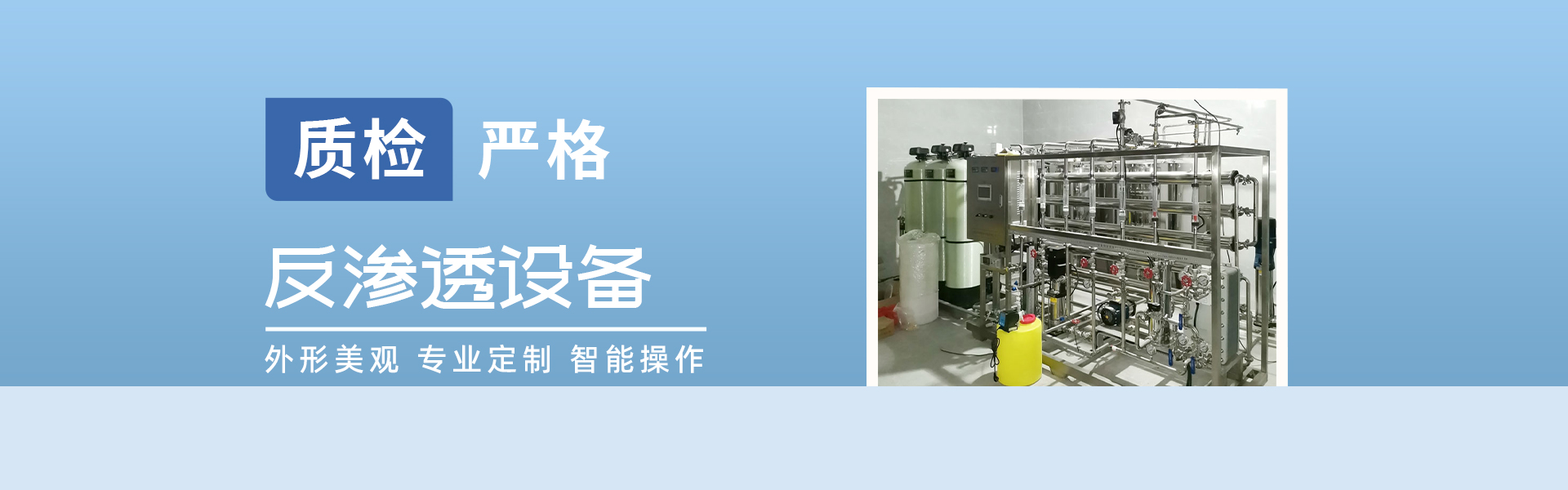
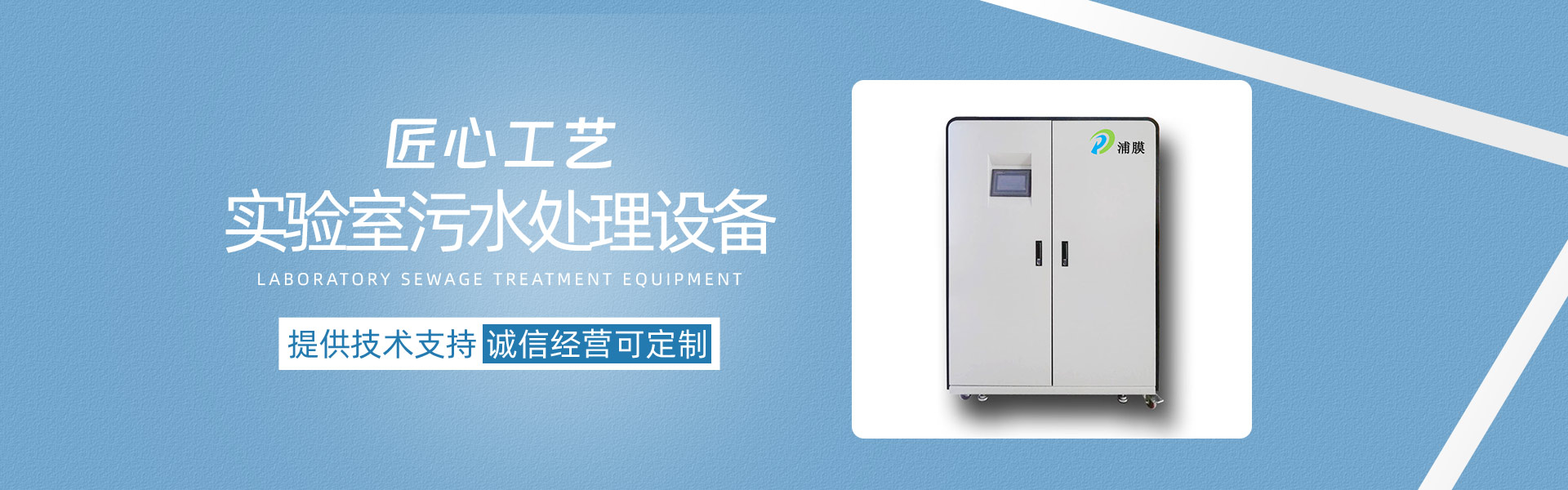


产品Price 18000.00/Set
最小起订Quantity:1 Set 供货总Quantity: 1000 Set


UltrafiltrationUltra-filtration (UF) is a membrane separation technology capable of purifying and separating solutions. An ultra-filtration membrane system is a solution separation device that uses ultra-filtration membranes as the filtering medium and relies on the pressure difference across the membrane for its driving force. The ultra-filtration membrane permits only solvents (like water molecules), inorganic salts, and small organic molecules to pass through, while retaining larger molecules such as suspended particles, colloids, proteins, and microorganisms in the solution, thereby achieving purification and separation.The pore size of ultrafiltration membranes typically ranges from 0.001 to 0.1 micrometers, with a molecular weight cut-off (MWCO) of 1,000 to 1,000,000 Daltons. Membranes with a pore size of 0.1 micrometers or greater are generally classified as microfiltration or nanofiltration membranes. Ultrafiltration membranes commonly used in water treatment have a nominal MWCO of 30,000 to 300,000 Daltons, while those with a nominal MWCO of 1,000 to 50,000 Daltons are mostly used for material separation, concentration, sterilization, and endotoxin removal. Equipment Features: 1. Ultrafiltration membrane elements are sourced from reputable brand companies, ensuring clients receive high-quality organic membrane elements, thereby guaranteeing retention performance and membrane flux. 2. The system boasts a high recovery rate, yielding products of excellent quality, and is capable of achieving efficient separation, purification, and high-multiple concentration of materials. 3. The process involves no phase changes, causing no adverse effects on the composition of the material. It maintains a constant temperature throughout separation, purification, and concentration, making it particularly suitable for handling thermosensitive substances. This method completely avoids the detrimental effects of high temperatures on biologically active substances, effectively preserving the bioactive components and nutritional content of the original material system. 4. The system has low energy consumption, a short production cycle, and lower operating costs compared to traditional processes and equipment. It can effectively reduce production costs and enhance the economic benefits of the enterprise. 5. The system's process design is advanced, highly integrated, compact in structure, occupies less space, is easy to operate and maintain, and reduces the labor intensity of workers. The application of ultrafiltration equipment in wastewater treatment mainly includes the following aspects: Remove suspended particles and fine pollutants:Ultrafiltration technology, through its microporous structure, can effectively remove suspended particles, colloids, viruses, algae, and organic macromolecules from wastewater. If these pollutants are discharged directly without treatment, they can cause significant environmental damage.. Water Purification:Ultrafiltration technology can remove harmful chemicals from water, such as virus particles, nucleic acids, dyes, etc., significantly improving water quality standards, making it suitable for reuse or discharge, and reducing environmental pollution.. Resource utilization:Ultrafiltration technology can also recover valuable substances from wastewater, such as enzymes and proteins, achieving the resource utilization of wastewater, improving resource utilization efficiency, and reducing production costs.. Wide Application Range:Ultrafiltration technology is suitable for wastewater treatment projects of various scales, including domestic and industrial wastewater treatment. Its simple operation, low energy consumption, and small land footprint make this technology highly valuable for widespread application in practice..


Phone Consultation