
Product Details

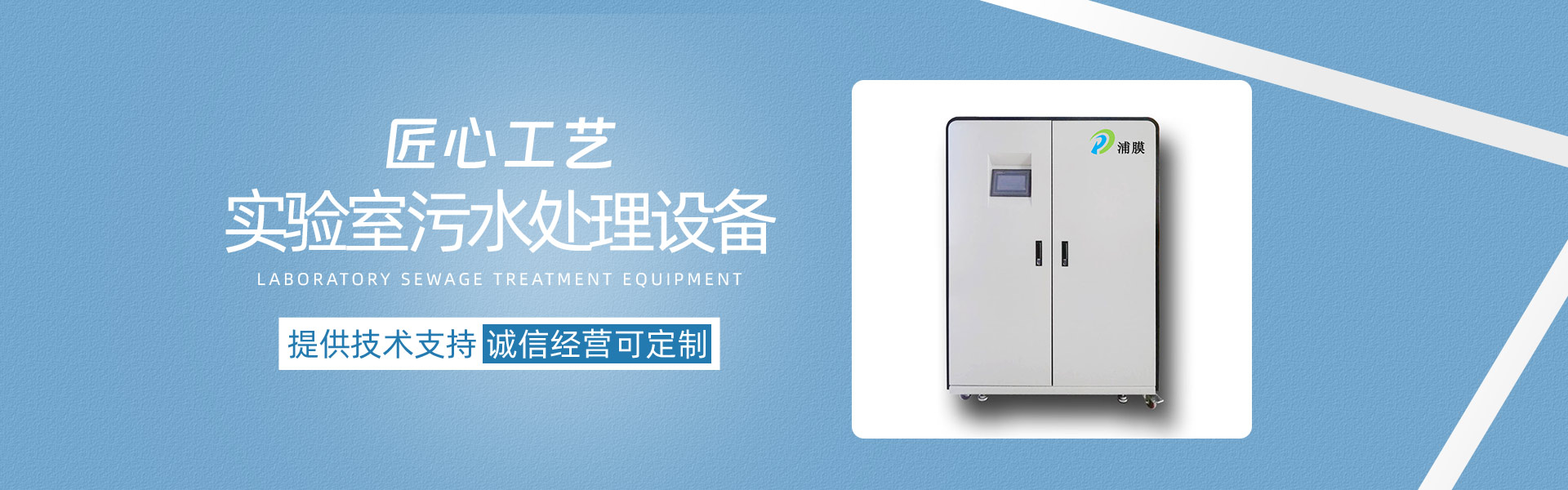
Main Products: Laboratory wastewater treatment equipment, integrated sewage t...



产品Price 38000.00/Set
最小起订Quantity:1 Set 供货总Quantity: 1000 Set


Severe environmental pollution is generated during the stainless steel pickling process.Acidic chemicals, such as hydrochloric acid, sulfuric acid, or phosphoric acid, used in pickling processes remove oxides and rust from stainless steel surfaces. Improper handling of these acidic substances can contaminate water sources and soil, affecting the ecological environment..Specifically, the waste liquid generated during the pickling process contains harmful substances such as heavy metal ions and chloride ions. If discharged directly into the environment, it can cause acidification of soil and water bodies, disrupting ecological balance.。 Methods for treating pickling wastewater from stainless steel mainly include the following: Chemical precipitation method:By adding lime and other alkaline substances for neutralization reactions, the acidity of the wastewater is reduced, causing heavy metal ions to precipitate as hydroxides. This method is simple and effective, but it produces a large amount of sludge, and improper treatment can lead to secondary pollution of the environment.。 Neutralization reaction:Adjust wastewater with alkaline substances such as lime and sodium hydroxide.pH value to neutral or nearly neutral, prompting heavy metal ions to precipitate as hydroxides. This process requires strict control of the pH value to avoid the formation of dangerous gases such as hydrogen.Air. Please provide the Chinese content you would like translated into American English.Floc SedimentationAdd flocculants (such as polyaluminum chloride, polyacrylamide, etc.), which promote the formation of larger flocs from fine particles and colloidal substances, and remove heavy metal ions and suspended matter through sedimentation and separation.。 Deep Processing:For wastewater that still contains high concentrations of pollutants, advanced purification techniques such as adsorption, membrane separation, and advanced oxidation can be employed. For instance, methods like activated carbon adsorption, reverse osmosis membrane separation, or electrochemical oxidation can be used.。 Sludge Treatment:Sludge generated during the sedimentation and deep treatment stage requires concentration, dewatering, and disposal methods should be selected based on its properties, such as drying and incineration, solidification landfilling, or resource utilization.。 No content provided for translation.Characteristics of stainless steel pickling wastewater and its impact on the environment:Stainless steel pickling wastewater contains heavy metal ions such as chromium, nickel, and iron, along with fluorides, and is highly acidic.The pH level typically ranges from 1 to 3, posing significant environmental and biological harm. Improper handling can lead to heavy metal contamination and issues like acid rain.。 Specific Process Flow: Pre-treatment stage:Remove large particle suspended solids and balance water quality through格栅 and regulating pools. Neutralization Reaction Stage:Add alkaline substance to adjustpH level adjusted to an appropriate range. Floc and Sedimentation Stage:Add flocculants to promote the sedimentation of suspended particles and heavy metal ions. Deep Processing Stage:Further purification is achieved through technologies such as adsorption, membrane separation, or advanced oxidation. Sludge Treatment Phase:Concentrate and dewater the settled sludge, and choose an appropriate disposal method based on its properties.。 The application advantages of stainless steel pickling wastewater treatment equipment mainly include efficient treatment, water conservation, simple operation, high degree of automation, and excellent environmental protection effects. Efficient Processing:Stainless steel pickling wastewater treatment equipment promotes the coagulation and sedimentation of pollutants in wastewater by adding flocculants, then removes harmful substances through means such as filtration and adsorption. It has high treatment efficiency and can effectively remove acidic substances, heavy metal ions, and organic matter from wastewater.。 Water Conservation:The recirculating water pool design in the equipment prevents secondary pollution of waste water, collects treated waste water for reuse, thereby saving a significant amount of water resources.。 Operation simple:The equipment is easy to operate, highly automated, capable of real-time monitoring of the equipment's operational status, and automatically adjusting the processing technology based on actual conditions to ensure the effectiveness and efficiency of wastewater treatment.。 Excellent environmental performanceTreated through a series of physical and chemical methods, wastewater can be purified, reducing environmental pollution and meeting environmental protection requirements.。 Adaptability:The pickling process is highly adaptable, suitable for treating a variety of materials including stainless steel, carbon steel, and aluminum alloys. Selecting the appropriate pickling solution and process parameters can achieve excellent treatment results.。 Economical and efficient:The pickling process is relatively simple and easy to operate, allowing for batch processing to enhance production efficiency. Additionally, the material cost for pickling is low, making the overall treatment process more economical.。


Phone Consultation