
Product Details

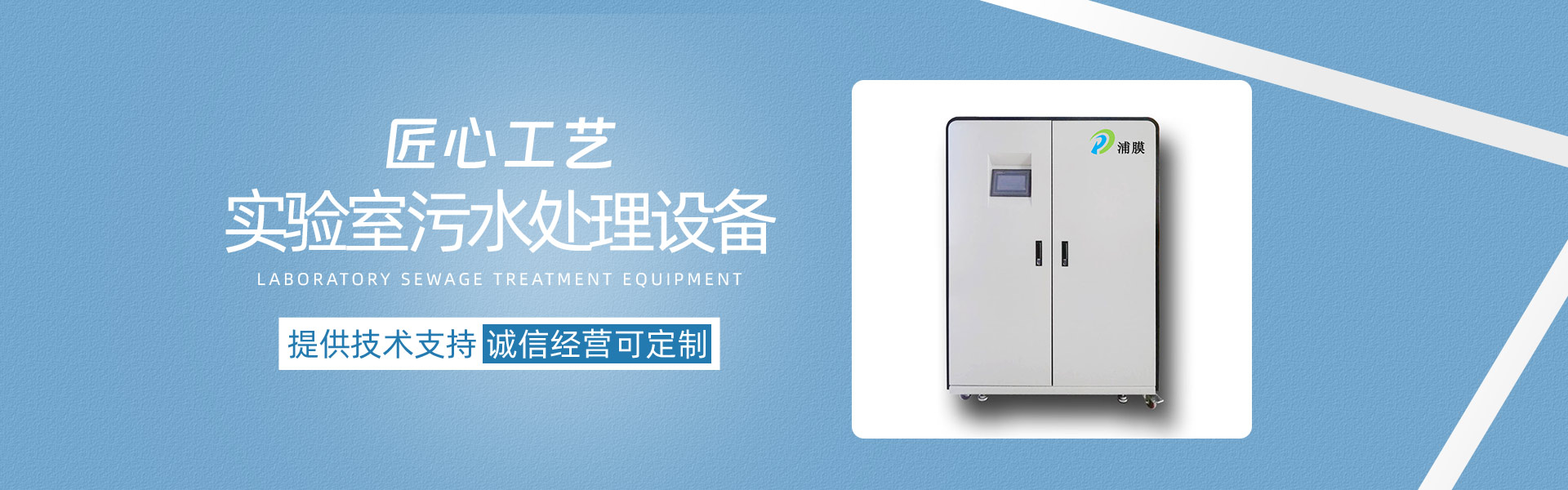
Main Products: Laboratory wastewater treatment equipment, integrated sewage t...


产品Price 29800.00/Piece
最小起订Quantity:1 Piece 供货总Quantity: 1000 Piece


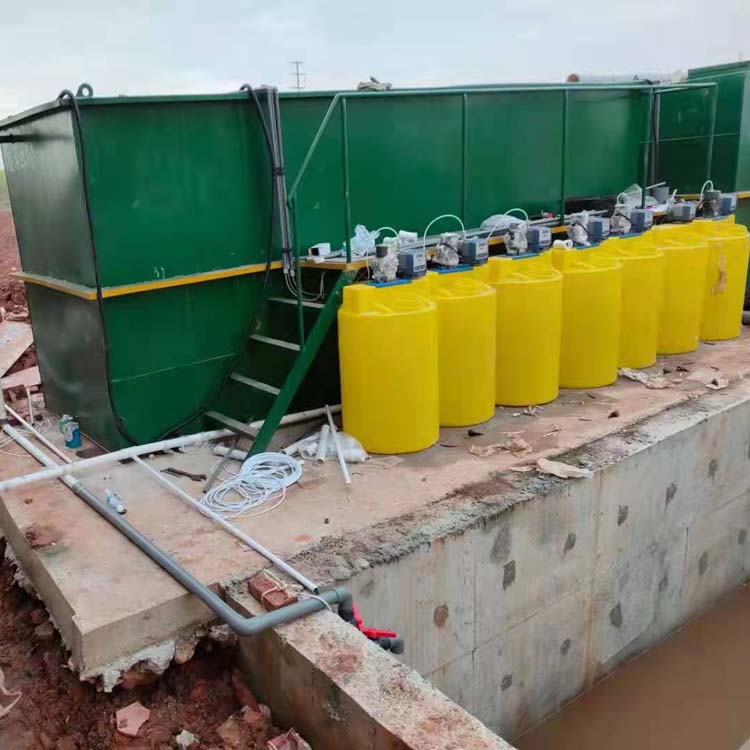
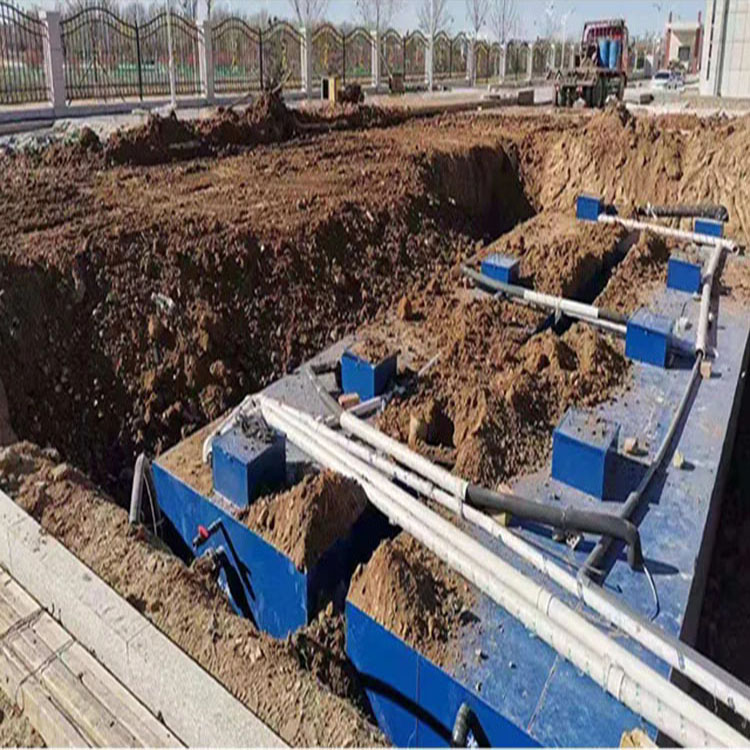
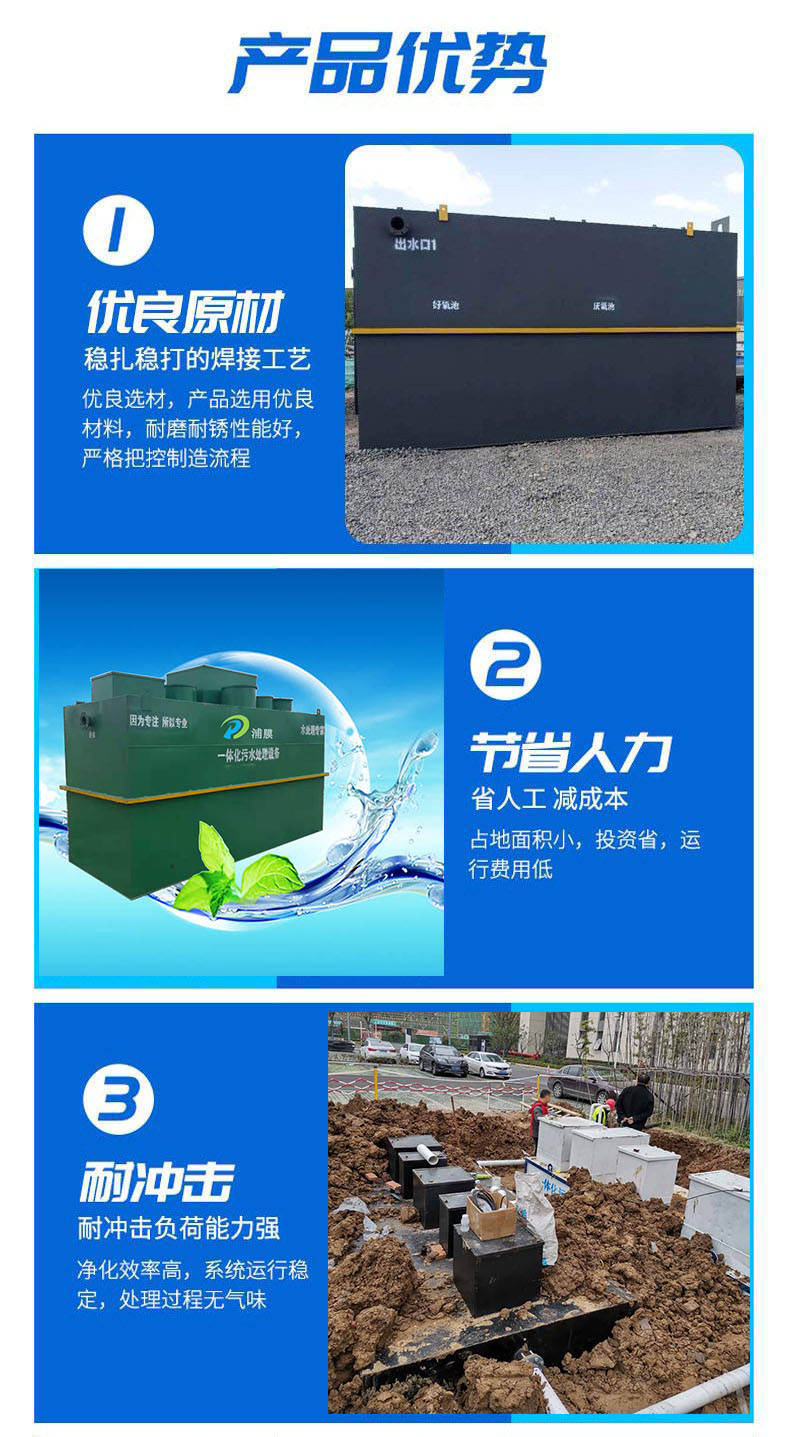
Agricultural wastewater primarily originates from the flushing of animal husbandry pens, as well as the excrement of livestock and poultry. Such wastewater is a high-concentration organic waste rich in pathogens. Direct discharge into water bodies or improper storage locations is unsuitable. Rainwater runoff into water bodies can lead to severe deterioration of surface or groundwater quality. Due to the strong phosphorus solubility of animal excrement, the phosphorus and water-soluble organic matter in the excrement are highly soluble. If not properly managed, they can contaminate groundwater through surface runoff and leaching. Based on years of experience in treating agricultural wastewater and referencing domestic and international technologies, our company's technical team has developed a treatment system for agricultural wastewater. The system can adjust the components according to varying water quality, achieving the desired treatment outcomes while meeting national emission standards. Process Description: Wastewater is first filtered through a grid screen to remove larger suspended solids and impurities such as hair. It then flows directly into the primary sedimentation tank, which also serves as a regulating tank to equalize water quality and volume. Meanwhile, insoluble solids like undigested food and feces settle to the bottom. The settled water is then transferred to an anaerobic hydrolysis tank, where, under the action of extracellular enzymes from anaerobic bacteria, large organic molecules are hydrolyzed and acidified into smaller molecules, and most of the insoluble organic matter is degraded into soluble substances..Then, the wastewater enters the contact oxidation pond, where aeration is initiated once the water level reaches the set level, ensuring thorough mixing of the wastewater with the activated sludge. After aeration ceases and the sludge settles, the supernatant is discharged. When the sludge accumulates to a certain level, it is pumped into the sludge pond. The treated wastewater then flows into the secondary sedimentation tank, where it is settled before being elevated to the filter for filtration. Post-filtration, it is discharged to the disinfection pond for treatment before meeting the required standards for release. Equipment Advantages: 1High impact load resistance; average residence time in contact oxidation method exceeds6Hour(s) 2Capable of denitrification and phosphorus removal, the equipment can be adjusted to handle industrial wastewater, domestic wastewater, and urban wastewater. 3The biofilm contact oxidation tank is typically filled with soft composite material, which is lightweight, high in strength, and has stable physical and chemical properties with a large specific surface area and strong adhesion of the biofilm, resulting in high contact efficiency between wastewater and the biofilm. 4The contact oxidation pond employs aeration blowers for aeration, causing the fiber bundles to continuously float, ensuring uniform aeration, promoting the growth and maturation of microorganisms, and exhibiting characteristics of the activated sludge process. 5Water output quality is stable, sludge generation is low, and treatment is easy. 6The equipment can be fitted with a submersible pump, reducing engineering investment. 7The equipment can be installed on the ground or buried underground. When buried, the upper part can be used for landscaping, resulting in a smaller land area for the factory and fewer above-ground structures. 8Easy to automate, with simple management and operation. 9The equipment can be connected to a vehicle to form a mobile integrated wastewater treatment unit. Feature Highlights: 1Compact, small in size, low land occupation, buried structure, mobile, conducive to greening, and free from mosquito and fly breeding. 2High removal rate of organic pollutants, stable effluent water quality. 3Easy to operate, convenient to install, no special maintenance required, and good self-protection features. 4The water quality is well-managed, meeting the required discharge standards. 5Integrated equipment can be flexibly configured according to the quality of raw water, making it highly versatile. 6Probiotics are high-efficiency microbial strains, and for specific wastewater, our company can provide dedicated probiotics to quickly and effectively meet the water quality standards of the effluent. Application Scope: Integrated wastewater treatment equipment is suitable for residential communities, villages, townships, office buildings, shopping malls, hotels, restaurants, government agencies, schools, highways, railways, factories, mines, tourist attractions, and the treatment and reuse of domestic wastewater as well as similar small and medium-sized industrial organic wastewater from slaughtering, aquatic product processing, and food industries. For detailed technical proposals, please contact Pufu Company's sales. Jiangsu Pufu Environmental Protection Technology Co., Ltd. is a comprehensive emerging technology enterprise specializing in the production, manufacturing, sales, and maintenance of water treatment systems, located in the New Area of Jiangbei..Professional sales of integrated wastewater treatment systems. Offer complete solutions for laboratory wastewater, low-temperature evaporators, and laboratory membrane separation equipment. The company is composed of a team of engineers and professional technicians in the field of water treatment equipment.ProfessionalOur research teamWith comprehensiveComprehensive after-sales service system and a large-scale production base with strong technical capabilities.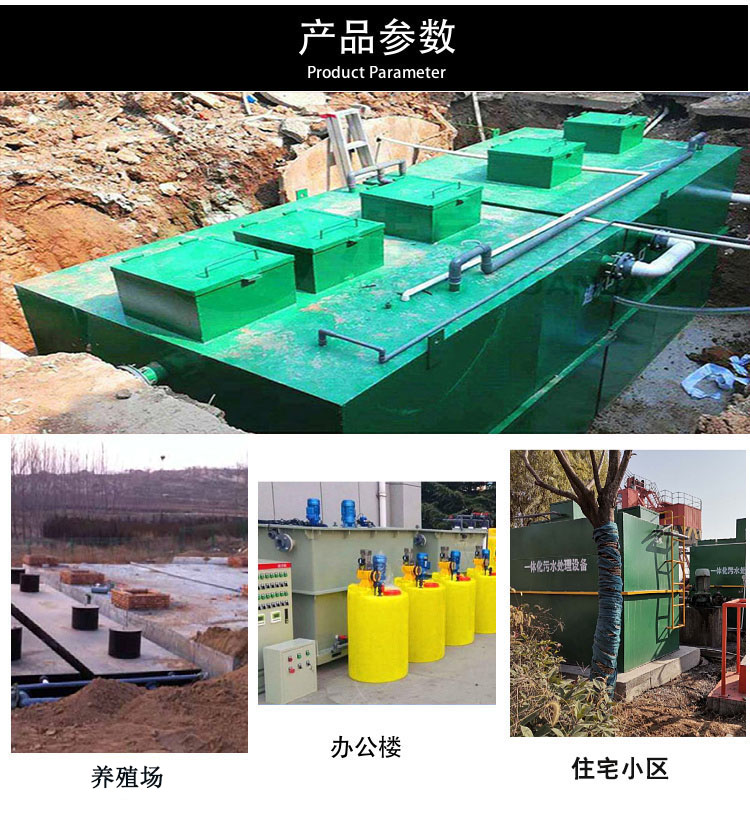

Phone Consultation