
Product Details

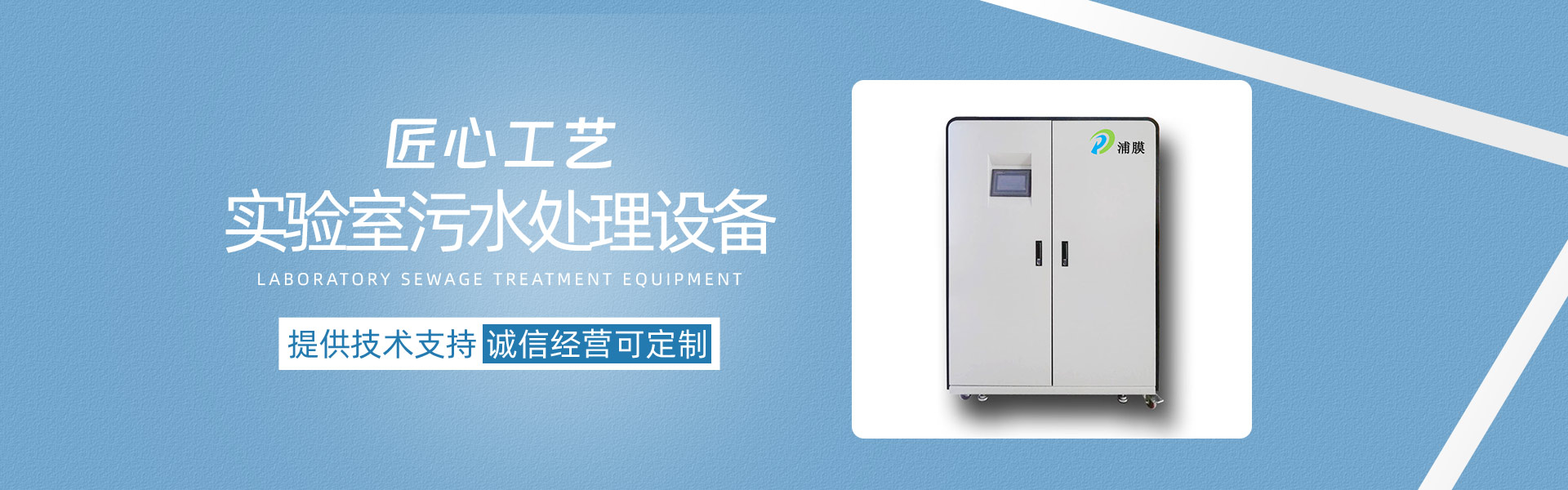
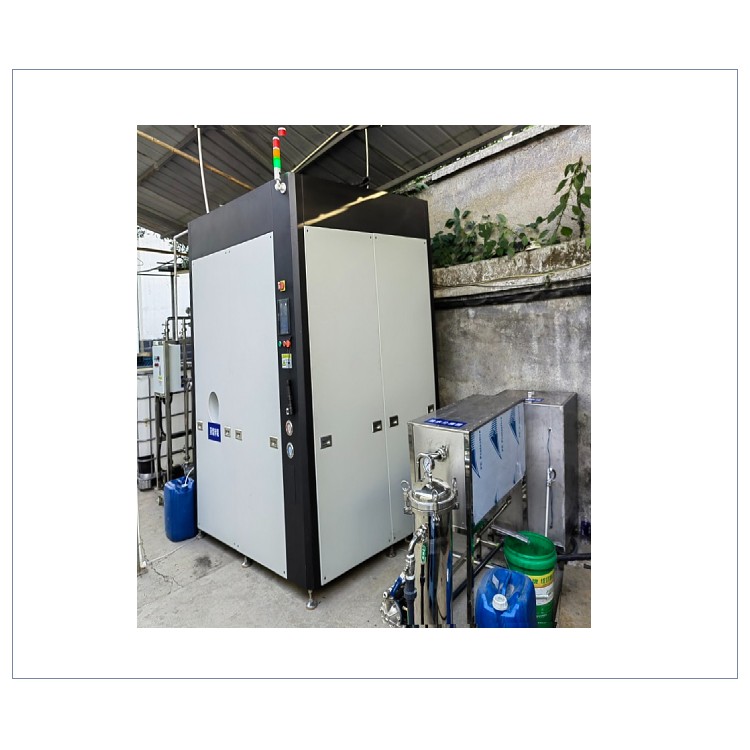
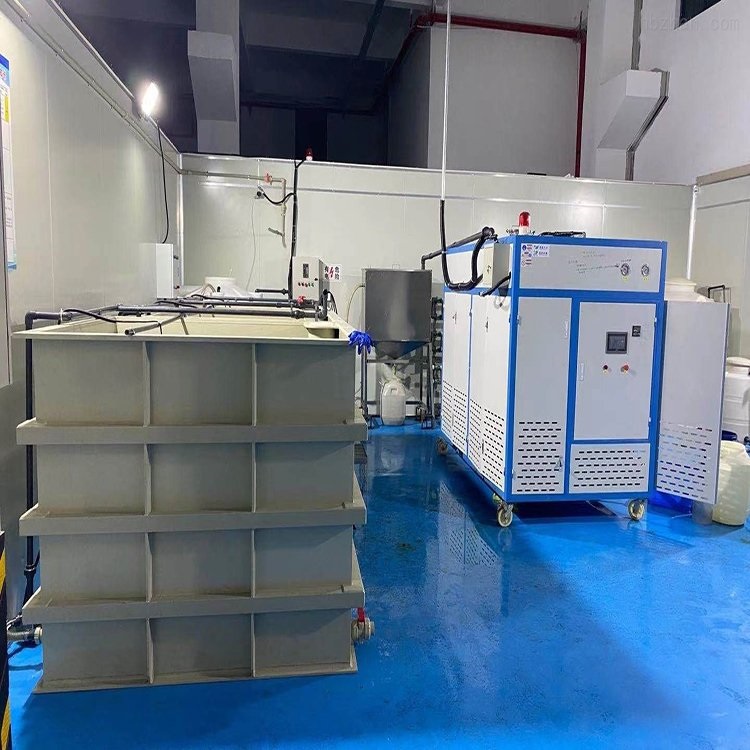
Main Products: Laboratory wastewater treatment equipment, integrated sewage t...


产品Price 38000.00/Set
最小起订Quantity:1 Set 供货总Quantity: 1000 Set


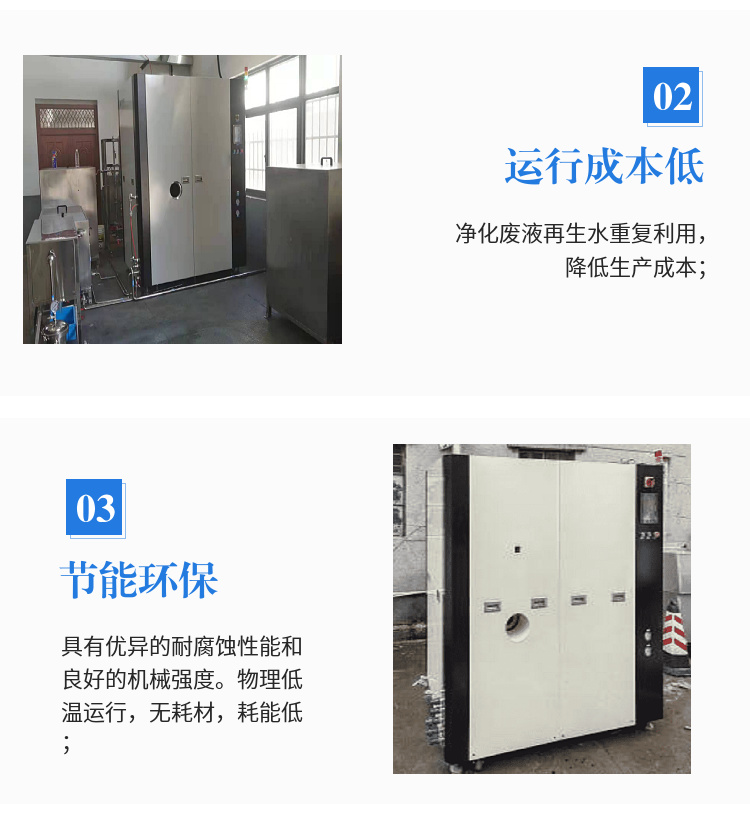
A green and efficient distillation equipment with a focus on both low temperature technology and environmental protection, achieving effective resource utilization and environmental protection. The low-temperature distillation technology, drawing on the differences in the boiling points of substances during the distillation process, achieves efficient separation of resources through low temperatures. During this process, the equipment heats the raw materials to the target boiling point and then transports them to the distillation tower. In the distillation tower, the substances with lower boiling points in the raw materials are separated first and collected by the condenser. Then, the distillation tower is heated again to the target boiling point, and the separation continues. Through such cyclic operations, the target substances are separated. Low-temperature distillation equipment has a wide range of application prospects in various fields, covering the following aspects: Chemical Industry: Low-temperature distillation technology can enhance the purity of chemical raw materials and reduce production costs. 2. Environmental Protection Industry: Low-temperature distillation technology can assist in the environmental treatment of wastewater, waste gas, and solid waste, alleviating environmental pollution. 3. Biotechnology: Low-temperature distillation technology can separate large biomolecules in biological products, helping to enhance the quality and nutritional value of these products. 4. Food Industry: Low-temperature distillation technology can extract nutrients from food, enhancing both taste and nutritional value. 5. Machining Industry: Low-temperature distillation technology is helpful. The low-temperature waste liquid evaporation system is an automatic control system utilizing a vacuum evaporator with a heat pump based on concentration principles. Customizable for various capacities of waste water treatment. Vacuum maintained at about -96KPa, evaporation temperature at around 33℃, suitable for machining industry’s cutting waste liquids, grinding wastewater, cleaning wastewater, electroplating wastewater treatment, RO membrane concentrate treatment, and other water-soluble wastewater treatments. Processing Effect: 1. Achieve partial wastewater "standard discharge." 2. Reduced processing costs; the waste liquid treatment process produces clean water. 3. Waste water is vacuum evaporated, concentrating 5%-15% of waste while distilling and removing 85%-95% of water as condensed effluent, reducing waste by nearly 95% and killing bacteria to minimize odor spread. 95% of water resources are recycled and reused, with only 5% of waste water being concentrated. 4. Evaporates and concentrates under low temperature and vacuum conditions, featuring safe equipment design, 24-hour automatic operation, and automatic cleaning functions. Equipment Features: 1. Compressed air and power consumption have low operating costs. 2. Automated, intelligent, and safe treatment of waste liquids. 3. Reduce waste liquid treatment costs. Low-temperature processing technology has been optimized through practical application, featuring a pretreatment unit structure.+Low-temperature evaporation system with ceramic membrane treatment for filtration, normal temperature evaporation, and membrane filtration (optional; however, recycled water may contain some trace impurities. Those with less stringent requirements for recycled water can choose accordingly), capable of removing heavy metals, salts, and most organic matter for simple reuse. For discharge, it is necessary to analyze the actual water sample, then conduct post-treatment to meet national discharge standards before release. Equipment Advantages: 1. Reuse treated waste liquid as recycled water to reduce production costs. 2. Physically low-temperature operation, no consumables, low energy consumption. 3. After treatment, the COD content is low, with some portions being suitable for direct discharge. 4. Minimize manual labor; the system automatically purifies. 5. The equipment operates smoothly and can handle large quantities of wastewater. High-salt, high-difficulty industrial wastewater, garbage leachate, etc., are imported as raw materials into the main unit of the low-temperature evaporation equipment. With the transportation by the power pump and the energy transfer of the fan, the air is fully mixed with the heated raw water, leading to rapid evaporation and temperature reduction. The water in the wastewater is carried away by the hot gas, continuously concentrating the original liquid. The heat is continuously utilized multiple times within the equipment. Advantages and Features: Low-temperature evaporation equipment has a wide range of applications, low energy consumption, and cost-effective investment, superior to traditional methods.MVR and multi-effect evaporation are more energy-efficient and cost-effective; this equipment can utilize factory waste heat and waste steam for low-temperature evaporation concentration and crystallization. Wastewater can be concentrated to 20%-30%, and high-salt wastewater can form crystals, even allowing for salt recovery and reuse. The entire equipment is integrated and designed for container transport, occupying minimal space. The entire equipment can be divided into three major systems: (1) Evaporation System: Utilizes an external heat source to heat a portion of raw water to a certain temperature. The fan transfers energy, causing the raw liquid to evaporate and cool down, while the air temperature rises. The evaporated raw water carries away the moisture. (2) Condensation System: Utilizes the cooling water within the system to cool hot air and condense crystallized water vapor. (3) Heat Exchange System: During the evaporation and condensation process, there is a temperature change. A heat recovery system is used to recycle heat for multiple evaporation and condensation cycles.。 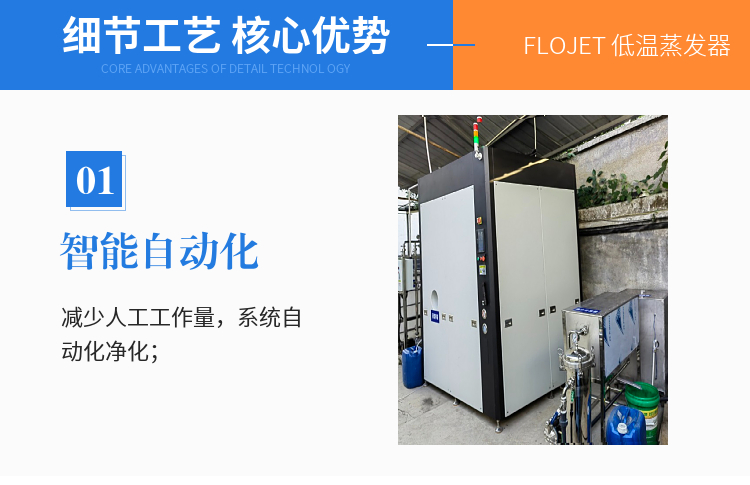

Phone Consultation