
Product Details

Main Products: Laboratory wastewater treatment equipment, integrated sewage t...

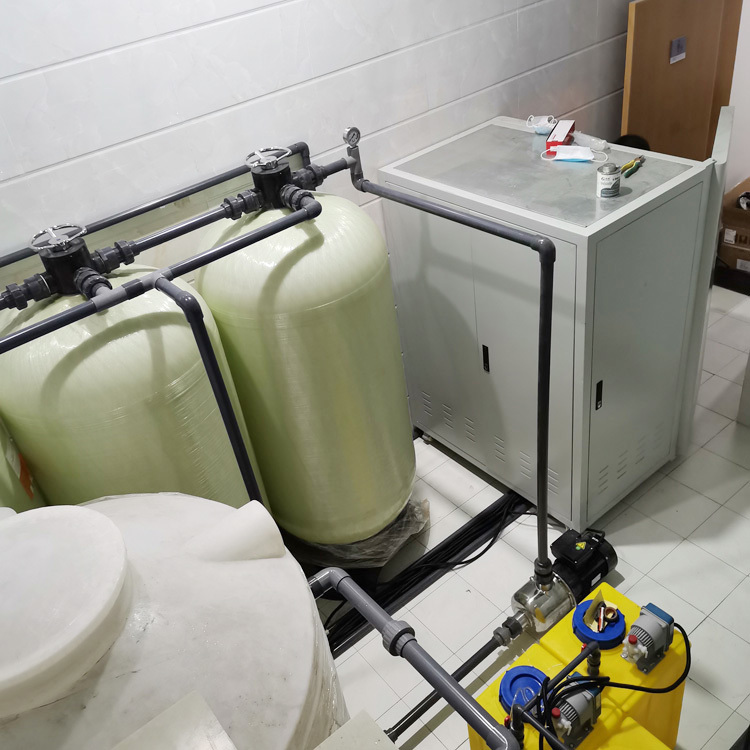
产品Price 18000.00/Set
最小起订Quantity:1 Set 供货总Quantity: 1000 Set


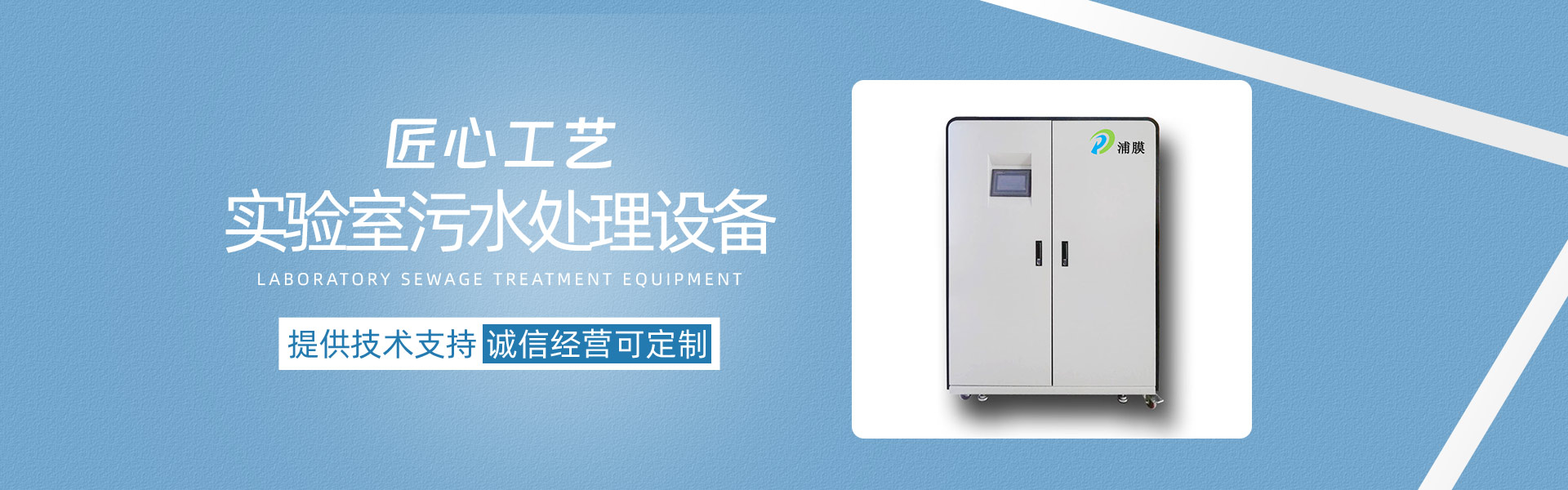
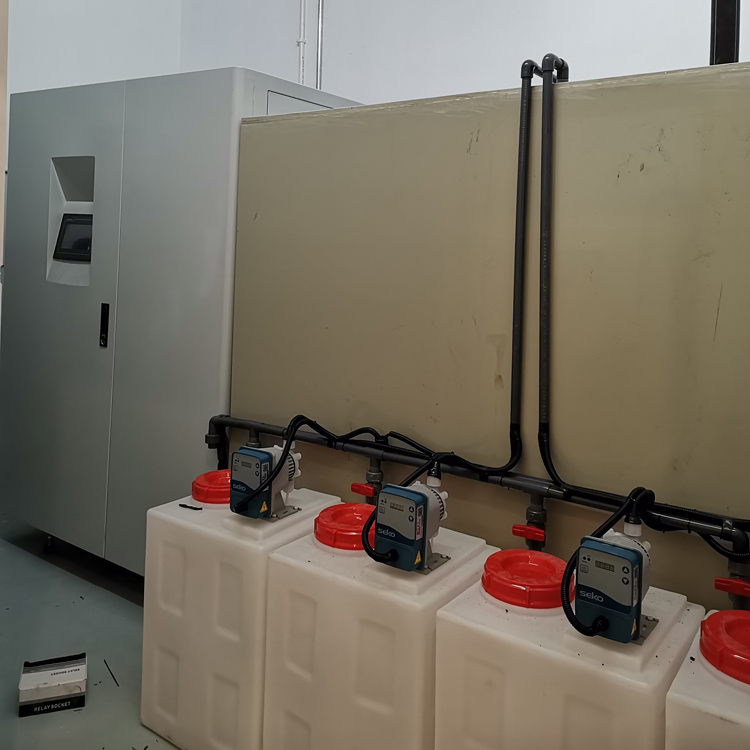
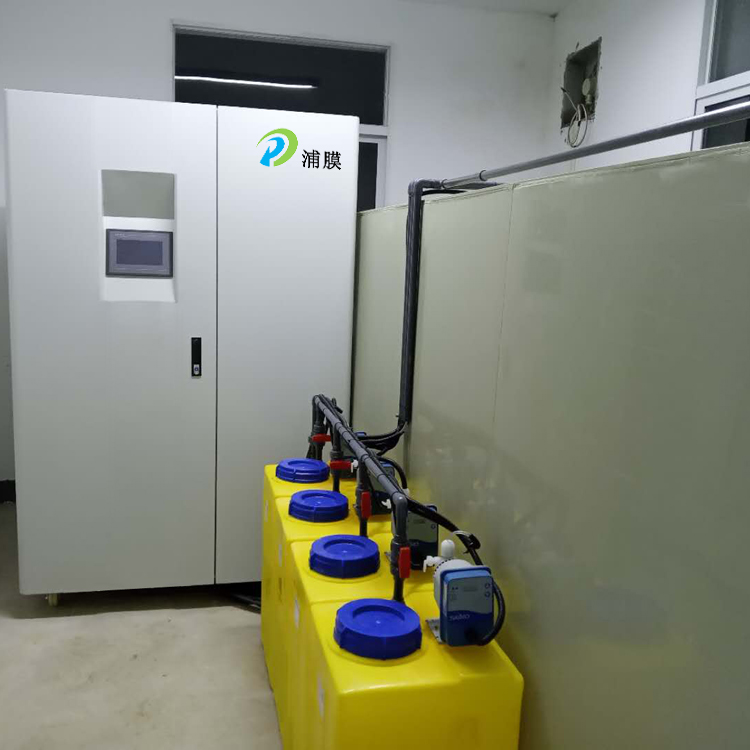
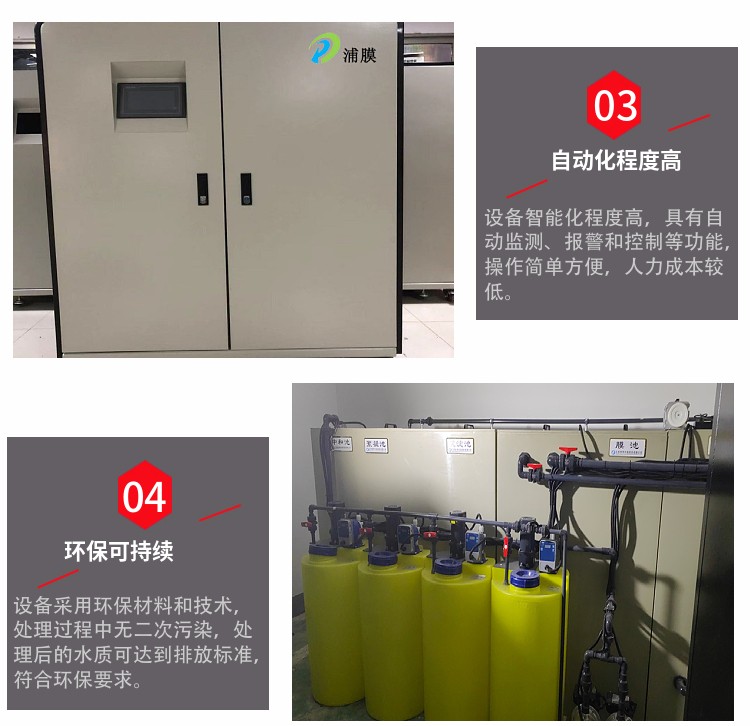
With the rapid economic development and continuous technological advancement, research experiments conducted by scientific research units and colleges and universities across the country are becoming increasingly in-depth and extensive, leading to a gradual increase in laboratory wastewater discharge. The quality of laboratory wastewater is complex, with irregular discharge cycles and volumes, and contains a complex composition of pollutants. Besides organic substances like detergents and common solvents, there are also significant amounts of acidic and alkaline substances, toxic and harmful organic compounds, and heavy metals. Although the volume of laboratory wastewater is relatively small, discharging it untreated directly into the environment can cause pollution. Therefore, it is imperative to study comprehensive treatment methods for laboratory wastewater and to develop equipment with good treatment effects, advanced technology, and lower investment. Jiangsu Pumai is a professional manufacturer of laboratory comprehensive wastewater treatment equipment. The company's research and development team has independently researched and produced a new, high-efficiency integrated wastewater treatment equipment for laboratories, tailored to domestic laboratory wastewater discharge standards. The principles of wastewater treatment for this equipment: 1Principle of whole-process control. Control the entire process of wastewater generation, treatment, and discharge in the laboratory. 2Principle of reduction. Strictly implement a non-hygienic and unsafe laboratory management system, with strict control and separation of wastewater and waste at a distance from the source. Separate collection of domestic wastewater and combined wastewater within the laboratory, as well as source control and separation of clean and dirty waste. Strictly prohibit the arbitrary disposal of laboratory wastewater and waste into the sewage system. 3Principle of On-Site Treatment. To prevent pollution and hazards during the transportation of laboratory wastewater, on-site treatment must be conducted within the laboratory. 4Classification Guidance Principles. Provide classified guidance for laboratory wastewater treatment based on the nature, scale, destination of wastewater discharge, and regional differences. 5Combination of compliance and risk control principles. Consider the basic requirements for comprehensive laboratory and combustion laboratory wastewater compliance discharge, while enhancing risk control measures. Improve the ability to respond to emergencies from aspects such as process technology, engineering construction, and supervision and management. 6Eco-safety principles. Effectively remove harmful substances from wastewater, minimize the generation of disinfection by-products during treatment, and control excessive residual chlorine in the effluent, ensuring the safety of the ecological environment. Process Flow: Laboratory wastewater is first collected by the collection system and then enters the equalization pond to adjust water volume and homogenize water quality. Once the water level in the equalization pond reaches a certain height, it is quantitatively lifted to the laboratory integrated wastewater treatment equipment using a lifting pump. In the integrated wastewater treatment equipment, it first enters the acid-base neutralization regulation system for acid-base neutralization, and throughpHControl instrument, accurately dosing a specific amount using a metering pumpNaOHAqueous solution, adjustedpHValued to8~9Between, under alkaline conditions, the acid in the wastewater is neutralized. If the wastewater contains heavy metal ions such as iron, cadmium, copper, manganese, nickel, lead, and chromium, they can beOH-A chemical reaction forms a hydroxide precipitate. The effluent from the acid-base neutralization pond then flows into the sedimentation pond, where the precipitate produced after acid-base neutralization and other suspended solids in the wastewater are separated from the sludge and water through the differential flow between the sludge and water in the sedimentation pond. The effluent from the sedimentation tank sequentially enters the ozonation oxidation tank, intermediate water tank, and photocatalytic reactor. The oxidized wastewater then flows into a multimedia filter. Fine suspended particles, trace metals, and a small amount of organic matter that have not been removed are treated through a combination of physical and chemical processes, including adsorption and retention by quartz sand and activated carbon with its large pore structure and high specific surface area. Additionally, the remaining substances are biodegraded by anaerobic, aerobic, and facultative bacteria present in the microbial film attached to the activated carbon. The process of activated carbon retention and adsorption is interlaced with the process of microbial degradation and desorption, occurring in an alternating and cyclic manner. Upon completion, the wastewater meets the standard for discharge.The entire wastewater treatment process is controlled by an automatic control system. The neutralization and adjustment system is equipped with a float ball level controller, which automatically shuts off the pump at low levels and starts it at high levels, allowing for essentially unattended operation. Process Features: 1、Utilize neutralization precipitation, ozone oxidation, photocatalytic reactions, and multi-media filtration technologies to treat various pollutants in wastewater. 2Utilizes microcomputer programming for real-time monitoring and control of wastewater quality and treatment process, ensuring around-the-clock automatic operation without the need for constant supervision. 3UtilizepHThe计量泵 ensures precise dosage control for chemicals. 4Utilizing advanced oxygenators, ensuring thorough gas-water contact and complete reaction. 5Easy to operate, stable performance, long service life, low operation and maintenance costs; 6Small footprint; can be installed indoors or outdoors depending on the situation; 7Tailored design and manufacturing to meet diverse customer requirements. Company Profile: Jiangsu Pumai Environmental Protection Technology Co., Ltd. is an integrated emerging technology enterprise located in the New Area of Jiangbei, specializing in the production, manufacturing, sales, and maintenance of water treatment systems. The company is dedicated to the research, development, and sales of laboratory wastewater treatment equipment and provides comprehensive solutions for low-temperature evaporators and laboratory membrane separation equipment. Comprised of engineers and professional technical personnel in the field of water treatment equipment, the company boasts a professional research and development team, a comprehensive after-sales service system, and a large-scale production base, with strong technological innovation capabilities. Our main products include laboratoryWastewater treatment equipment, integrated wastewater treatment systems, membrane separation equipment, and pure water system manufacturing and engineering.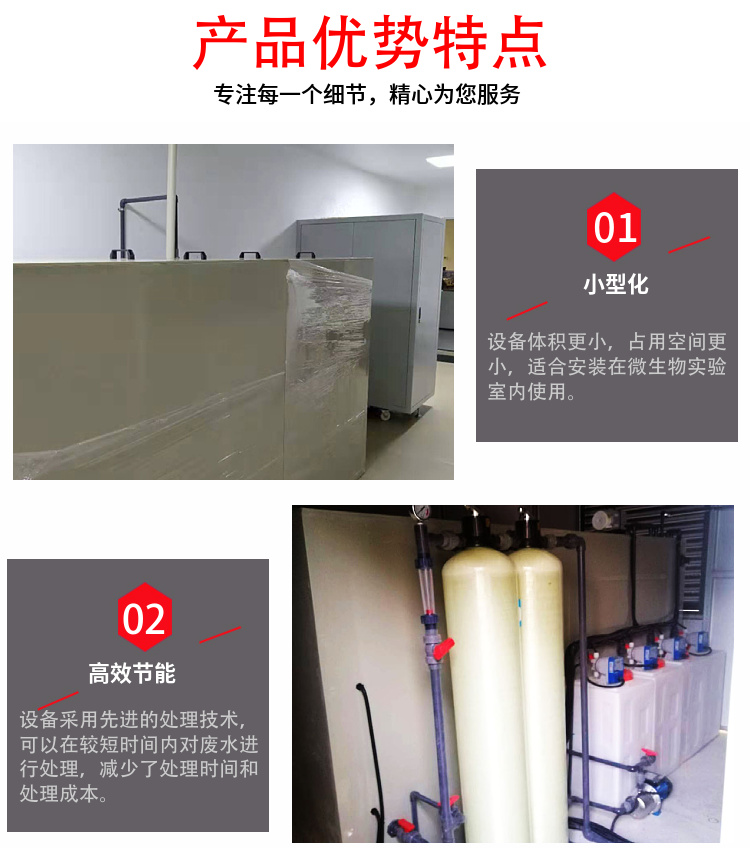

Phone Consultation