
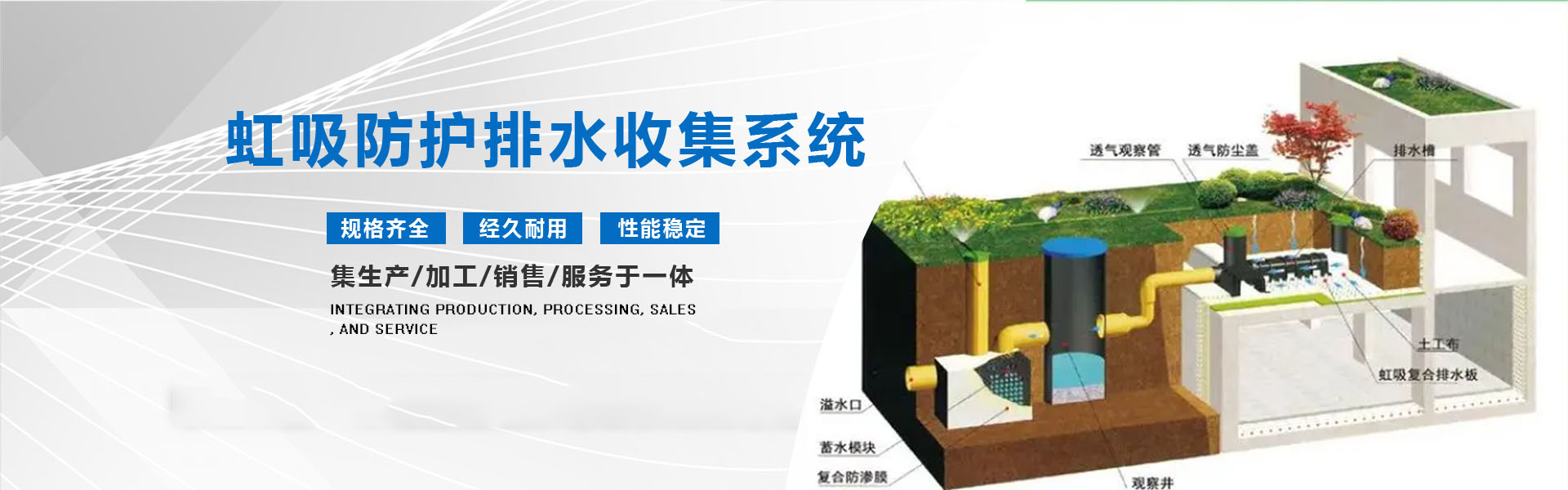


Since the invention of the siphon drainage technology by Olavi Ebeling and Persommerhein, it has gradually been applied in modern construction. Although siphon drainage has many advantages over traditional gravity drainage methods, it should not be applied blindly. So, what types of locations are suitable for siphon drainage?
Siphon drainage is suitable for many applications, but there are also situations where it's not ideal. For instance, buildings with long gutters and low total water head heights at the collection points (below 3 meters) typically don't suit siphon drainage. This is because the horizontal drainage pipes in such buildings cannot generate enough force to create a siphon effect. Additionally, some residential buildings are not suitable for siphon drainage as there is usually insufficient space on the top floor to install the tail pipe of the siphon device, and siphon drainage can produce some noise, potentially disturbing the residents' rest. Now, let's discuss the suitable fields for siphon drainage. Practically, it is ideal for large factories with high eaves on the roof and long internal gutters (over 30 meters). Some large buildings, such as train station waiting rooms, platforms, and large shopping malls, can also utilize this drainage method. These structures may be aesthetically compromised by other drainage options, hence the preference for siphon drainage.
