




Product Introduction/ INTRODUCE
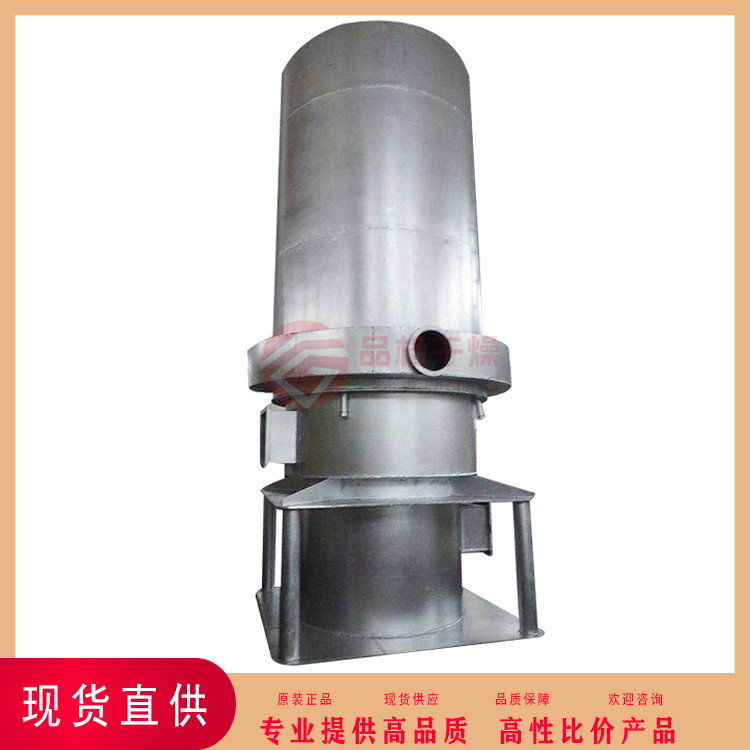
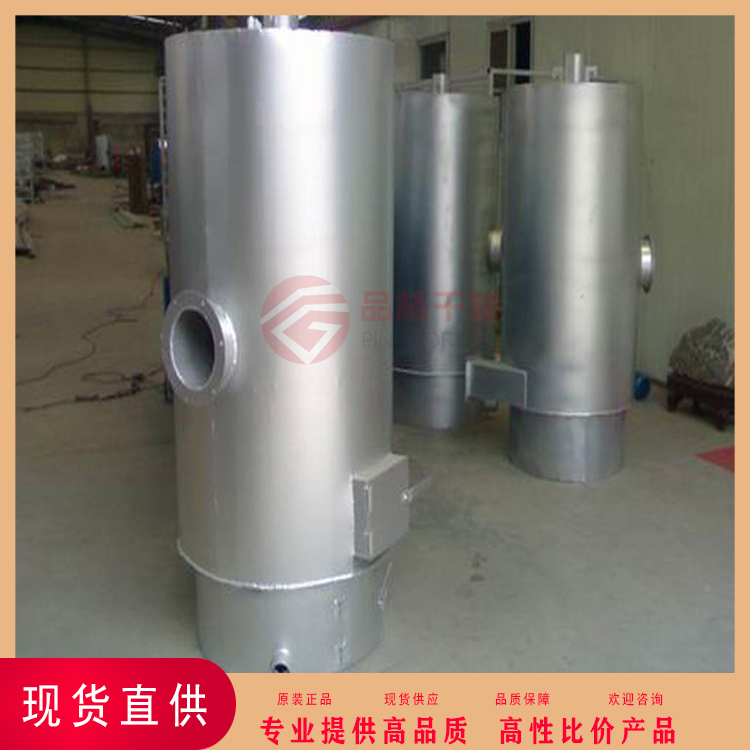
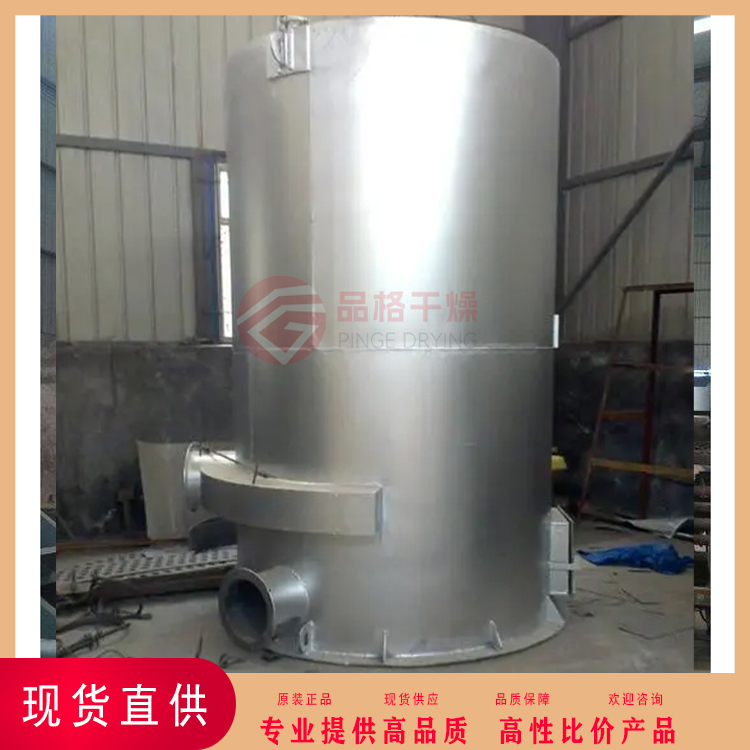
Coal-fired hot air furnace utilizes direct fuel combustion to produce hot air after high-purification treatment, which is then used for direct contact heating, drying, or baking of materials. Coal-fired hot air furnaces were widely adopted in China by the late 1970s and have become the replacement for electric heating and traditional steam-powered heat sources in many industries.
Product Specifications / Parameter
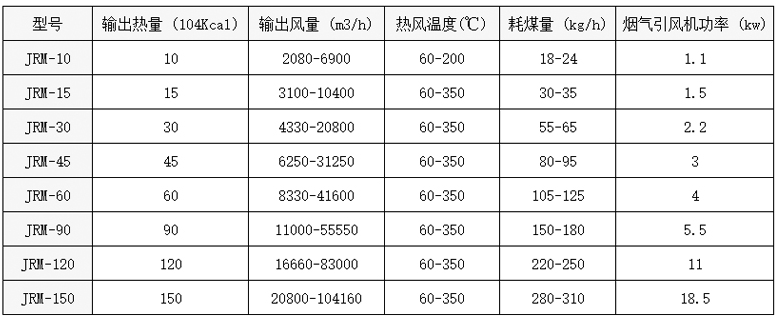
PRINCIPLE OF OPERATION
Direct High-Purity Coal-Fired Hot Air Furnace
This method involves direct fuel combustion to generate hot air, which then comes into direct contact with the material for heating, drying, or baking. This approach typically reduces fuel consumption by about half compared to steam or other indirect heaters. Therefore, direct high-purification hot air can be used without affecting the quality of the dried product.
Fuel is solid fuel, such as coal, coke.
After combustion reactions, the high-temperature combustion gases are further mixed with ambient air and, once at a certain temperature, they are directly introduced into the drying chamber or baking room, where they come into contact with the material to be dried, heating and evaporating moisture, thus obtaining the dried product. To utilize the heat from the combustion reactions of these fuels, an additional combustion unit is installed, such as coal-fired burners, oil burners, gas burners, etc.
Indirect coal-fired hot air furnace
Primarily suitable for drying materials that cannot be contaminated or for low-temperature drying of heat-sensitive materials. Examples include milk powder, synthetic resins, and fine chemicals. This heating device uses steam, thermal oil, flue gas, etc., as carriers to heat air through various types of heat exchangers.
The essence of indirect hot air furnace lies in heat exchange. The larger the heat exchange area, the higher the heat conversion rate, the better the energy-saving effect of the hot air furnace, and the longer the lifespan of the furnace body and heat exchanger. Conversely, the size of the heat exchange area can also be identified from the flue gas temperature. The lower the flue gas temperature, the higher the heat conversion rate, indicating a larger heat exchange area.
Product Features/ CHARACTERISTICS
The product incorporates high-temperature resistance measures, significantly extending its lifespan compared to tubular heat convection furnaces. It employs a longitudinal flue gas scrubbing method for fin cooling and a negative pressure exhaust system, ensuring no dust accumulation in the heat exchange area, eliminating the need for cleaning. The thermal performance is stable, and it can be fueled by various types of coal or firewood, equipped with a secondary air intake system for complete combustion.
Product Application/USE
Ceramics: Ceramic Greenware (Polished Tiles), Glaze, Pottery, Kaolin, etc.
Chemical Products: Potassium fluoride, dyes, calcium chloride, aluminum oxide, zinc oxide, fluorspar powder, etc.
Feed Products: Distiller's grains, pellet feed, calcium hydrogen phosphate, etc. feed additives
Water Purification Agents: Polyaluminum Chloride, Ferric Sulfate, etc.
Building materials: ceramic fiber, insulation board, thermal cotton, fine powder, desulfurized gypsum, quartz sand, etc.
Environmental Protection: Papermaking Black Liquor (Lignin), Sludge Drying, Phosphogypsum, Waste Liquid Treatment, Solid Waste Etc.
Other: Coal briquettes, wood, rubber, mineral powder, acetylene cylinders, paper-plastic molds, etc.
