

- AllProduct Category
-
LED Display Knowledge
Indoor LED Display
Outdoor LED Display
Digital Billboards
Other Products





详情描述
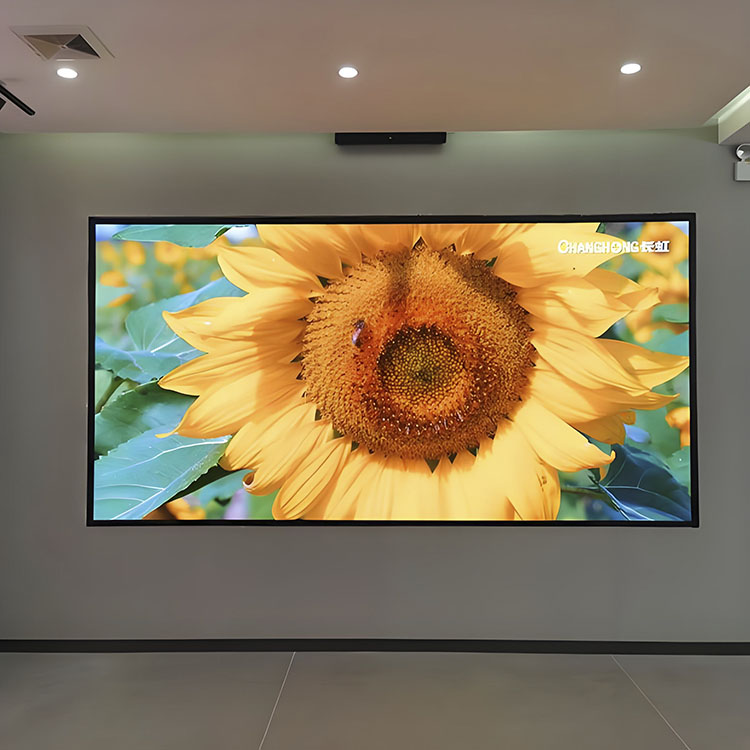
How to adjust the clarity of an LED display
This issue, if you want to get to know your friend, now follow the screen of the celebrities. Grayscale refers to the brightness range from darkest to brightest that can be distinguished in the single-color brightness of an LED display. The higher the grayscale of an LED display, the richer the colors, and conversely, the display has a single color and simple changes.
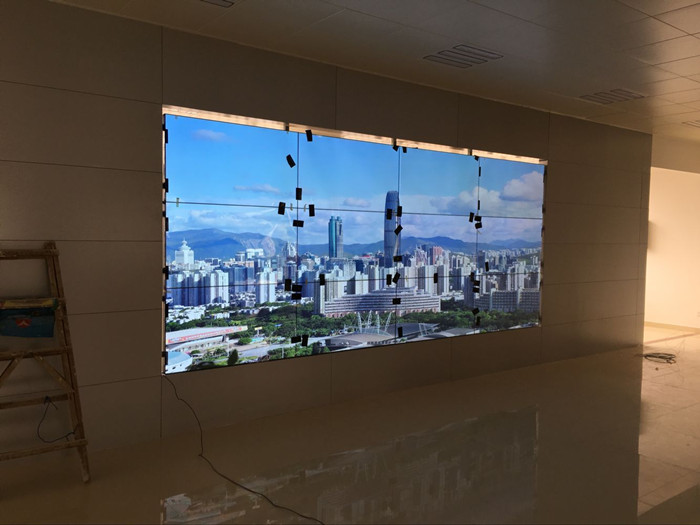
The enhancement of grayscale levels significantly increases color depth, resulting in a geometrically improved level of color display. LED grayscale control ranges from 14 to 16 bits, enabling the image resolution, detail, and display quality of high-end display products to reach world-leading standards. With the advancement of hardware technology, LED grayscale levels will continue to evolve to achieve higher control precision.
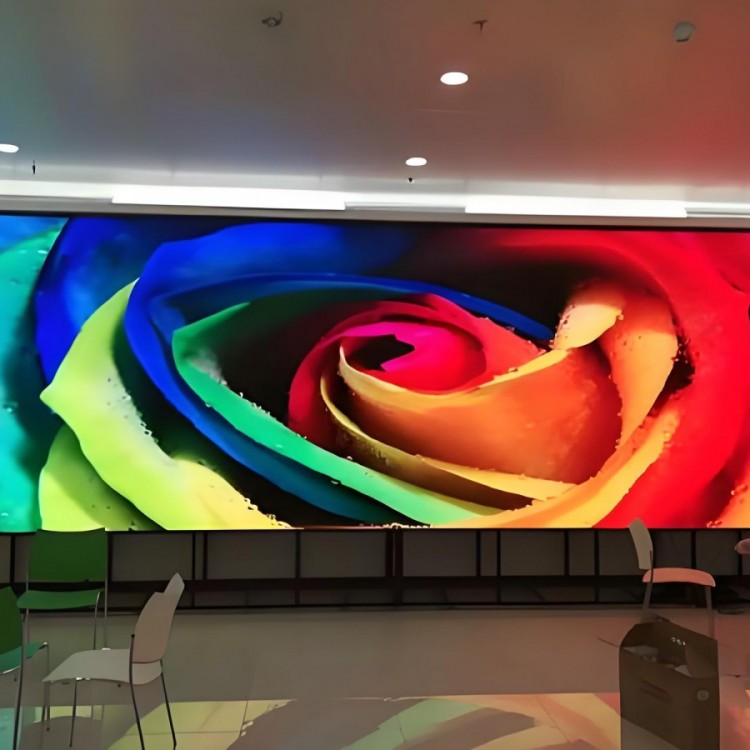
Contrast is one of the key factors affecting visual effects; generally, the higher the contrast, the clearer the image and the more vibrant the colors. High contrast greatly enhances image clarity, detail representation, and grayscale levels.
In black and white contrast text and video displays, high-contrast LED screens have the advantage in terms of black and white contrast, clarity, and integrity. Contrast is more critical for dynamic video displays as light and dark transitions in moving images occur more rapidly; the higher the contrast, the easier it is for the human eye to discern these transitions.
There are two primary methods to enhance display contrast: LED screens are not as bright in certain situations. For instance, if indoor screens are too bright, it can lead to light pollution and harm viewers' eyesight. Special processing of LED panels and LED light sources can reduce the reflectivity of the LED panels, thereby improving the contrast of LED displays.
询价单


