


- AllProduct Category
-
LED Display Knowledge
Indoor LED Display
Outdoor LED Display
Digital Billboards
Other Products





详情描述
What are the performance characteristics of LED displays?
As the saying goes, "Judge by the inside door, observe the crowd." The quality of products, including LED displays, is no exception; their dazzling brilliance can be overwhelming. So, how should we differentiate the quality of LED display products? Firstly, we need to understand the characteristics of LED displays to distinguish their quality and identify their strengths and weaknesses in performance.
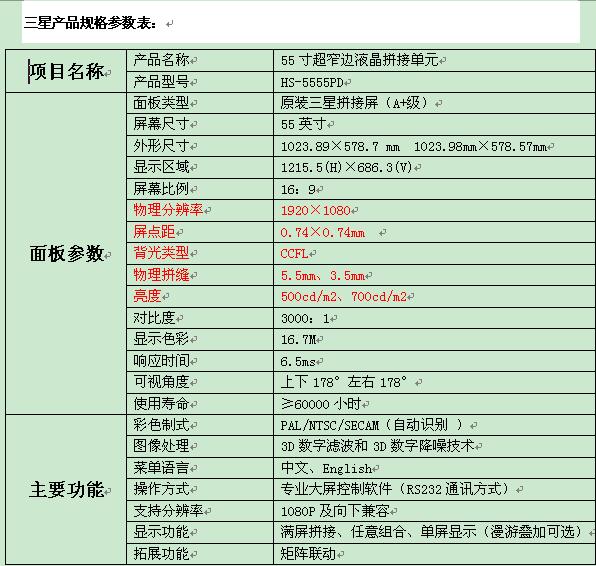
主要包括 the following aspects, such as grayscale, refresh rate, and contrast: Grayscale, also known as grayscale levels, refers to the screen brightness in terms of luminance and chroma, which is the number of colors displayed on an LED screen. Generally, the higher the grayscale of an LED screen, the richer the colors, the finer the image, and the greater the likelihood of displaying rich details.
Refresh rate refers to the number of times the electron beam scans the repeated image on the screen. A higher refresh rate, along with LED display technology, results in better stability of the displayed image. Additionally, a higher screen resolution ensures that high-definition images are less laggy, bringing along more benefits. Enjoy the comfort.
The measurement of contrast between light and dark areas in images, ranging from bright white to dark black at different brightness levels; the higher the value, the greater the range of contrast differences, indicating lower contrast, and vice versa. A key factor affecting the visual quality of LED displays. Generally, higher contrast results in clearer images and brighter colors. High contrast significantly aids in image clarity, detail, and grayscale representation.
Next, you can differentiate the quality of LED displays and perceive their visual effects: the flatness of the LED display surface. The flatness of the display should be within 1mm to ensure image fidelity, and localized indentations on the screen can cause blind spots in the viewing angle. You can feel the flatness of the screen by observing the side and touching the surface of the touchscreen. The quality of flatness largely depends on the production process.
White Balance Effect. By testing the red, green, blue, and blue colors of the product on an LED display, as well as performing white balance tests, it can be determined if there are any deviations in the LED screen and make timely adjustments.
Brightness and Viewing Angle. Indoor rental LED displays typically have a brightness of 800 CD/M2-1200 CD/m2, while outdoor LED rental screens should reach over 1500 CD/m2 to ensure proper operation; otherwise, images may be too faint to be visible due to insufficient brightness.
询价单


