
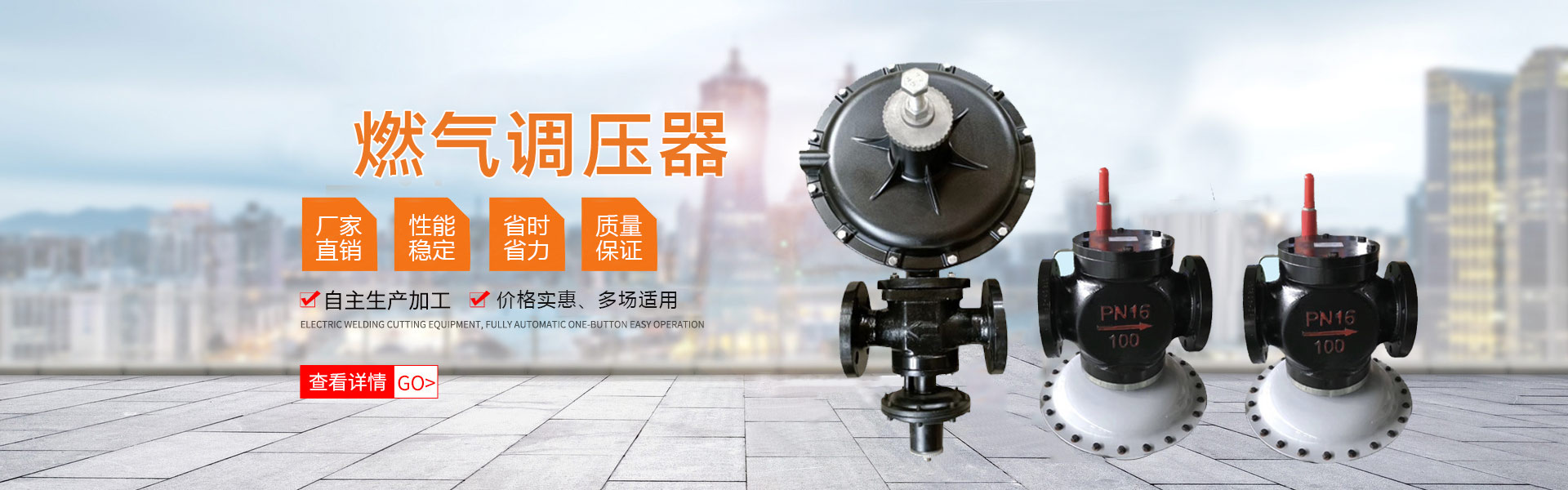
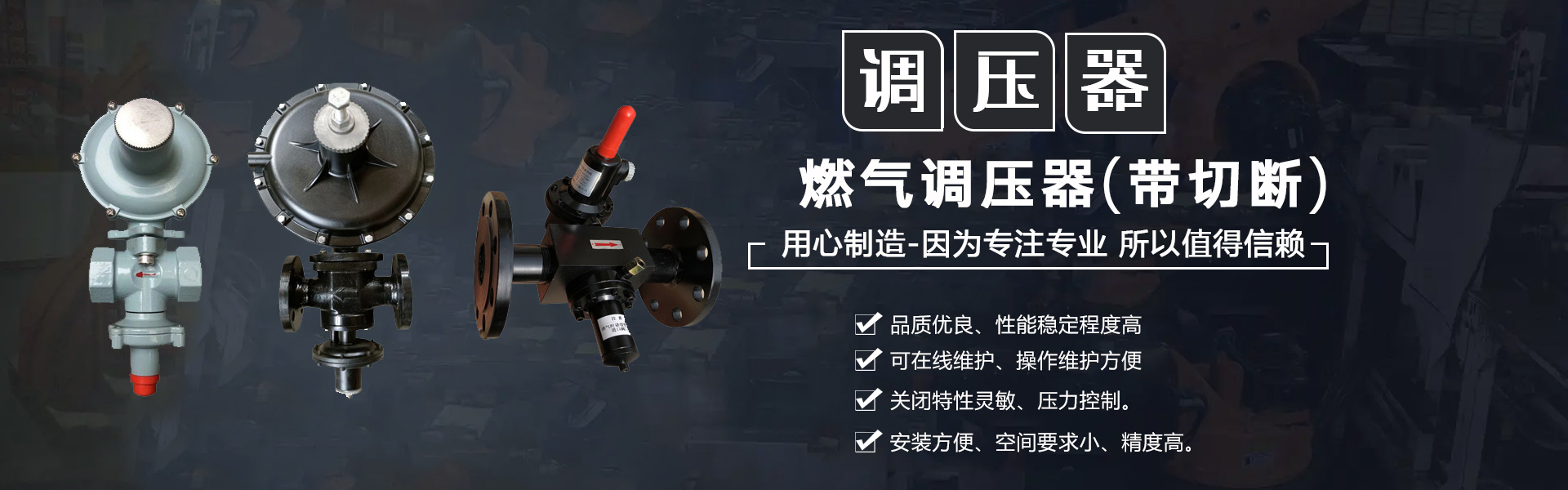


Neglecting daily maintenance and cleaning can lead to clogs in the small holes of a gas pressure reducer valve. If the valve is not regularly cleaned during use, debris can accumulate, causing the small holes within the valve housing to become blocked.
Hazard: The small hole is the breathing hole of the pressure relief valve, connected to the upper chamber of the rubber diaphragm inside the valve. When the diaphragm moves, air enters and exits through the small hole to achieve the pressure regulation effect. If the small hole is blocked, the air above the diaphragm cannot enter or exit, causing the valve's pressure regulation ability to fail. This may result in the direct supply of high-pressure gas, leading to sudden increase in the flame of the appliance, flameout, gas leakage, and even fire or poisoning accidents.
Approach
Regularly inspect and clean the gas pressure reducer valve to ensure the breath holes are clear. If liquid petroleum gas leaks from the breath holes, it indicates a damaged rubber membrane. Immediately close the corner valve, remove the pressure reducer, and replace the membrane or install a new reducer valve.
