
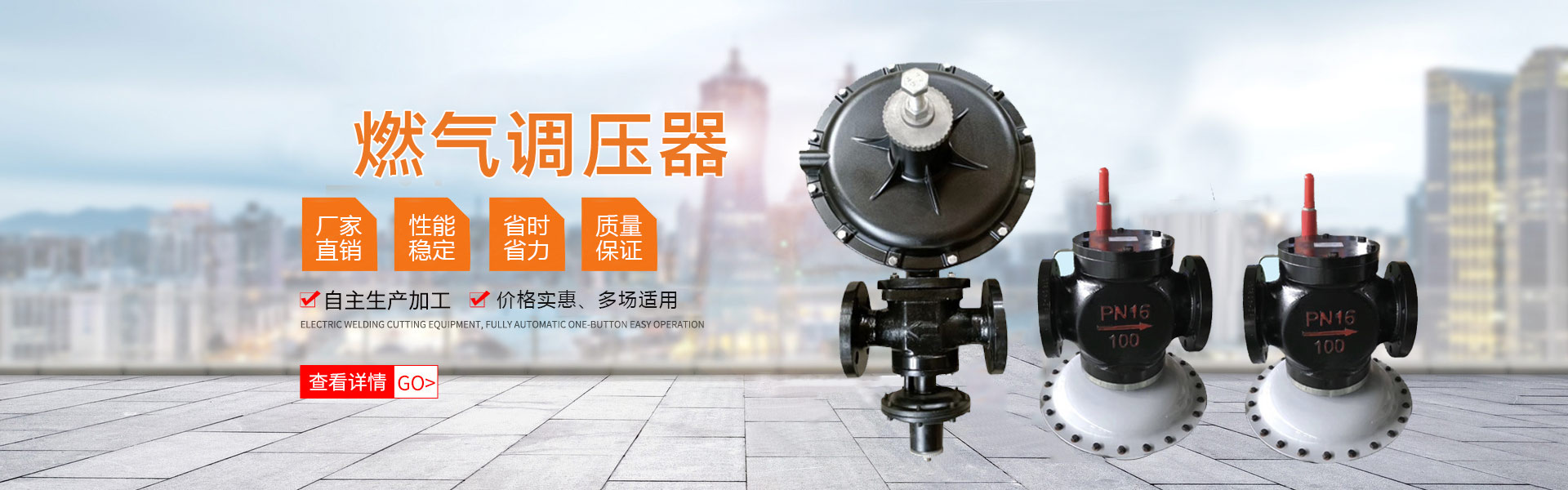
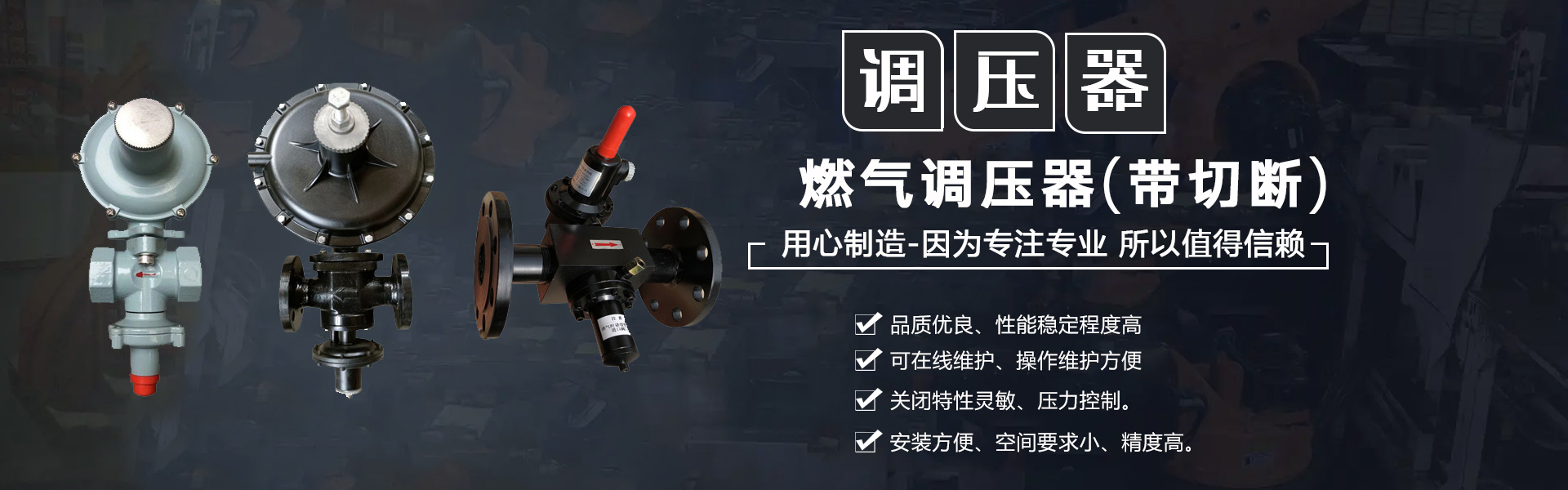

When using gas appliances, the pressure reducing valve is often disassembled and reassembled. The correct and secure connection (installation) of the pressure reducing valve to the cylinder is crucial for safe use. Specific installation and maintenance requirements are as follows:
Installation Method
After exchanging the steel cylinder, when installing the pressure-reducing valve, first ensure proper alignment and threading. Then, rotate the handwheel in the reverse direction (counterclockwise). While rotating, do not apply excessive force; the correct sensation should be smooth and effortless. If the threads are not aligned, do not force it in; re-align and then screw in until tight. If installed correctly, gently shake the pressure-reducing valve body and it should not move left or right or feel loose; if installed improperly, even if the handwheel is tightened, the valve body will still feel loose when shaken due to misaligned threads.
2. Leak Detection Methods
To ensure safe operation, after installing the pressure-reducing valve, you can check for leaks by brushing soap water at the connection point and observing for bubbles. If the pressure-reducing valve has a pressure gauge, you can close the corner valve and smell for any gas leaks, as well as observe if the gauge needle changes. The rubber seal at the intake pipe end of the pressure-reducing valve is a crucial component for preventing leaks. It should be checked each time a liquefied petroleum gas cylinder is replaced to ensure it is intact; if it is deformed or damaged, it must be replaced before use. Analysis of past poisoning and explosion accidents indicates that over 60% were caused by improperly installed pressure-reducing valves or lost or damaged rubber seals. Therefore, lessons should be learned and attention should be paid. This article introduces the working principle, installation, maintenance, and fault analysis and treatment of gas pressure-reducing valves (hereinafter referred to as pressure-reducing valves) to guide users in their proper use, enhance safety awareness, and prevent gas accidents.
In recent years, gas leaks in residential settings have occurred frequently, posing serious threats to public safety and property. Besides the insufficient knowledge of gas appliances among users, a crucial factor identified in the analysis of accidents is the lack of emphasis on the proper use of pressure regulators. Statistics show that 80% of gas accidents are caused by the inherent quality of the regulators and improper usage by users. The author, through an introduction to the working principle, installation, maintenance, and troubleshooting of gas pressure regulators, guides users in the correct use of these devices, enhances safety awareness, and prevents the occurrence of gas accidents.
