
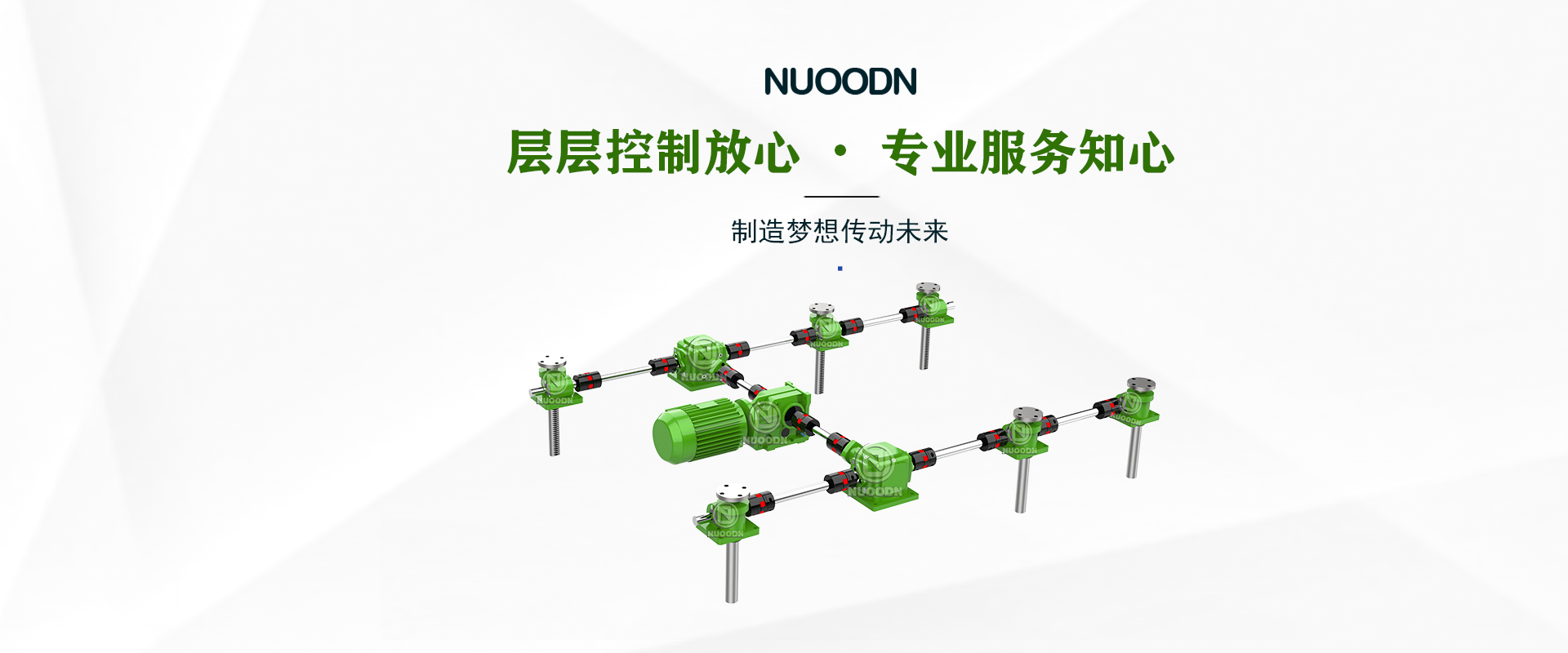
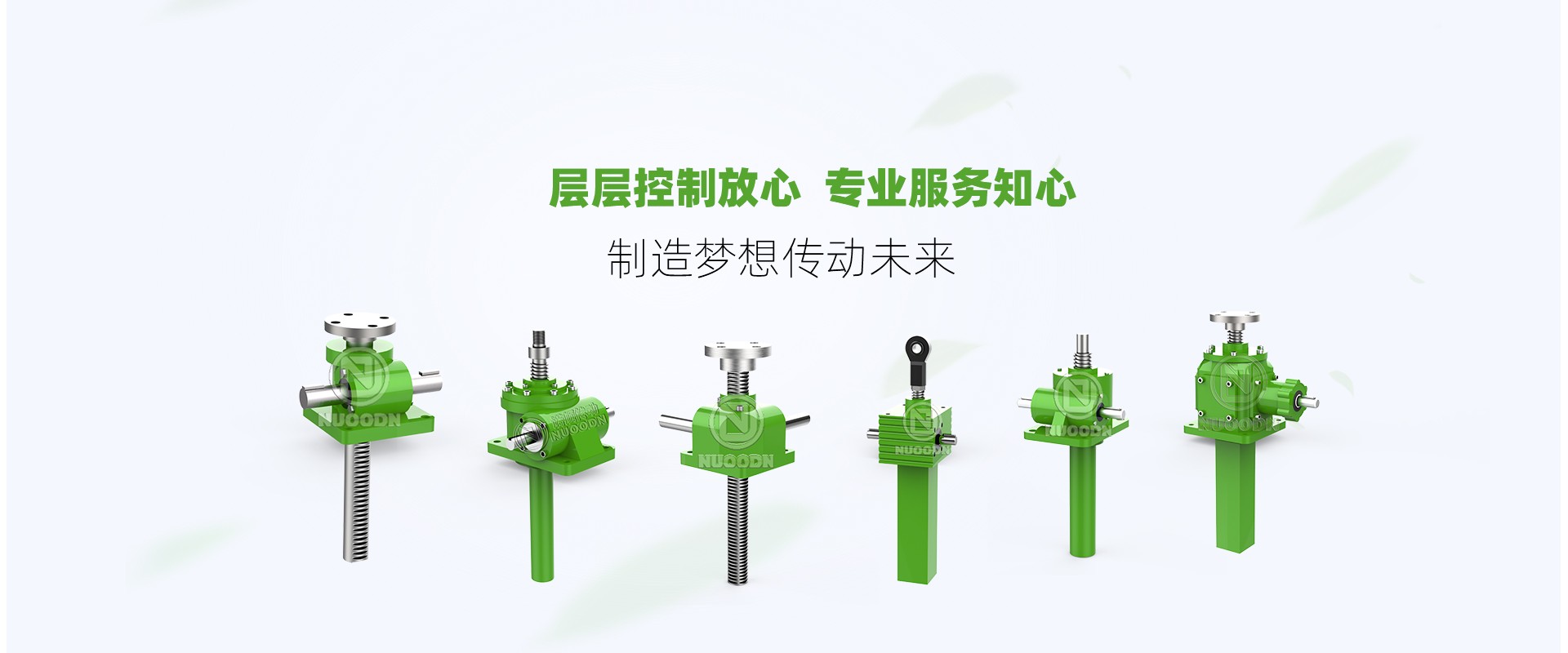
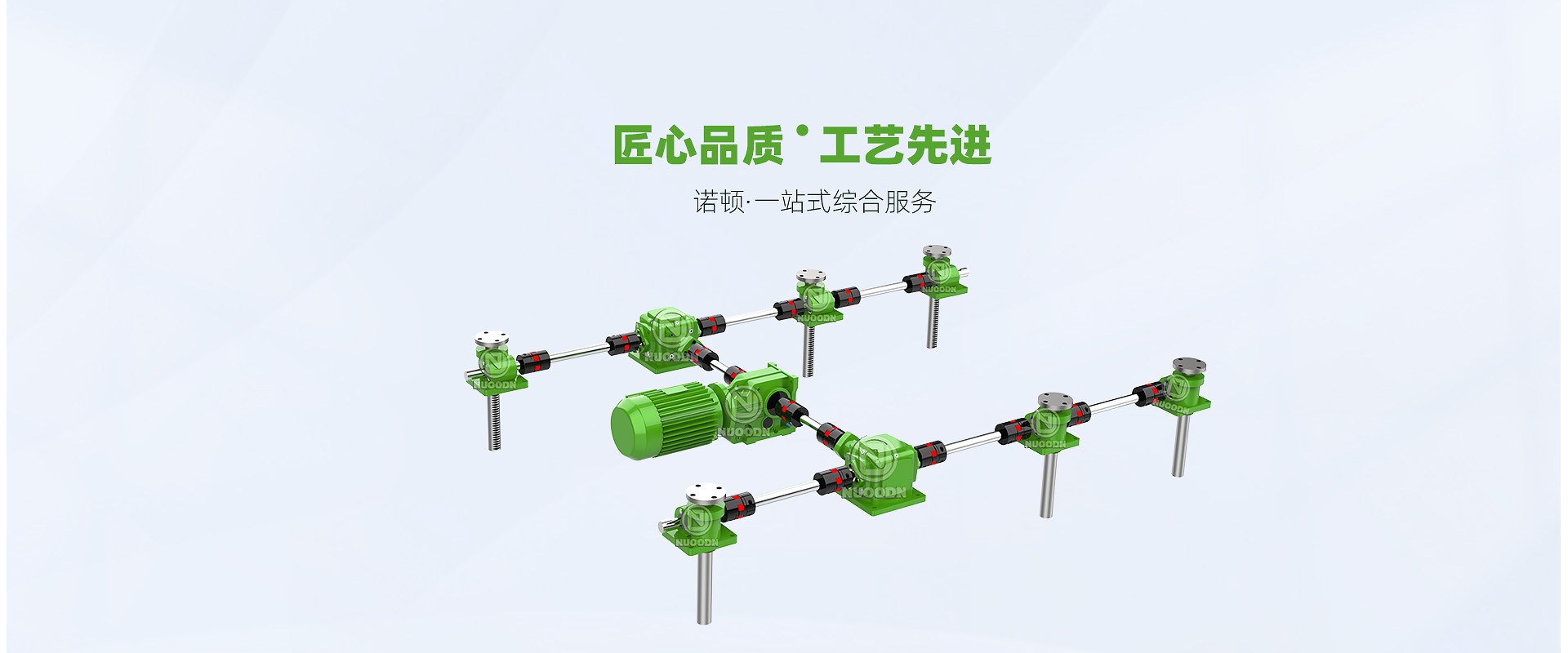

The worm gear hoist offers high lifting heights, featuring either a single or double side hydraulic cylinder for smooth operation with zero noise. It is easy to maintain and boasts a long service life. It features manual lowering during power outages and an emergency stop button for convenience and quick response. The floor doors are puncture-resistant, allowing for easy access between the interior and exterior of the factory. This is particularly suitable for 2-6 story steel structures, both indoor and outdoor, utilizing a pump station.
Support is an essential preparation for the operation of worm gear hoists. Worm gear hoists should be installed on flat ground. The HB gearbox withstands forces from the wind turbine and reactive forces generated during gear transmission, requiring sufficient rigidity to resist forces and torques, prevent deformation, and ensure transmission quality. The design of the gearbox should be based on the layout, manufacturing, and assembly conditions of the wind turbine unit, as well as the power transmission requirements for easy inspection and maintenance.
Operators must wear safety belts. When working in areas with electrical power, the vehicle body should be grounded according to its name. During high-altitude work, a supervisor should be responsible. The supervisor should communicate with the worm gear elevator operator using standard signals.
Prohibit performing high and low cross operations at the same location without proper insurance measures. The worm and worm gear elevator generally has two speeds, fast and slow, determined by the transmission ratio of the worm and worm gear.
The worm and worm gear lifting jack with self-locking performance, typically used with electric push rods and screw lifting machines featuring ordinary thread screws, has a low comprehensive transmission efficiency and mostly incorporates an automatic load self-locking function, enhancing the safety of equipment operation. Ball screw electric push rods and screw lifting machines do not self-lock. The screw lifting jack is composed of components such as worms, housings, bearings, and screws. Its working principle is: the motor or manual operation drives the worm to rotate, which in turn drives the worm gear to reduce speed and rotate. The inner cavity of the worm gear is machined into an internal thread, propelling the screw to move up and down. Due to the presence of the worm gear, the screw has a reducing effect, thereby achieving the purpose of amplifying thrust.
