
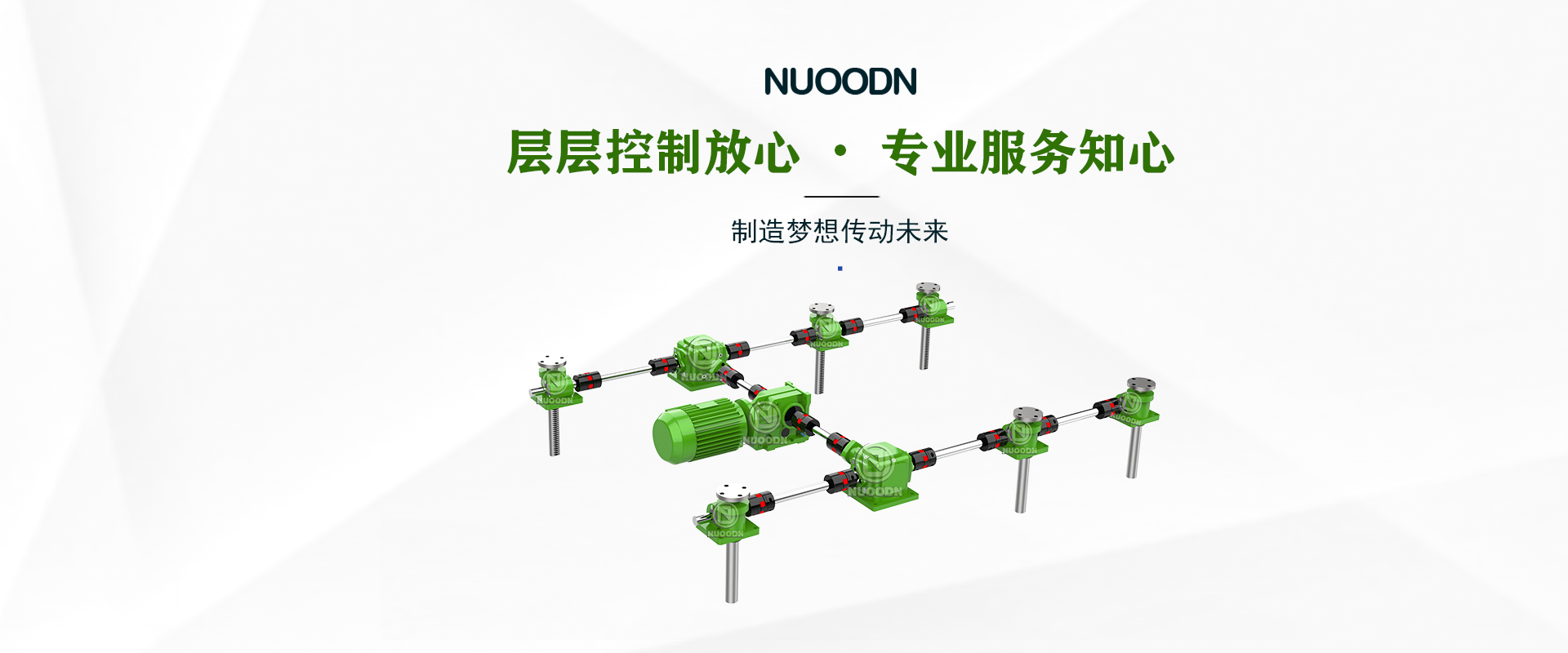
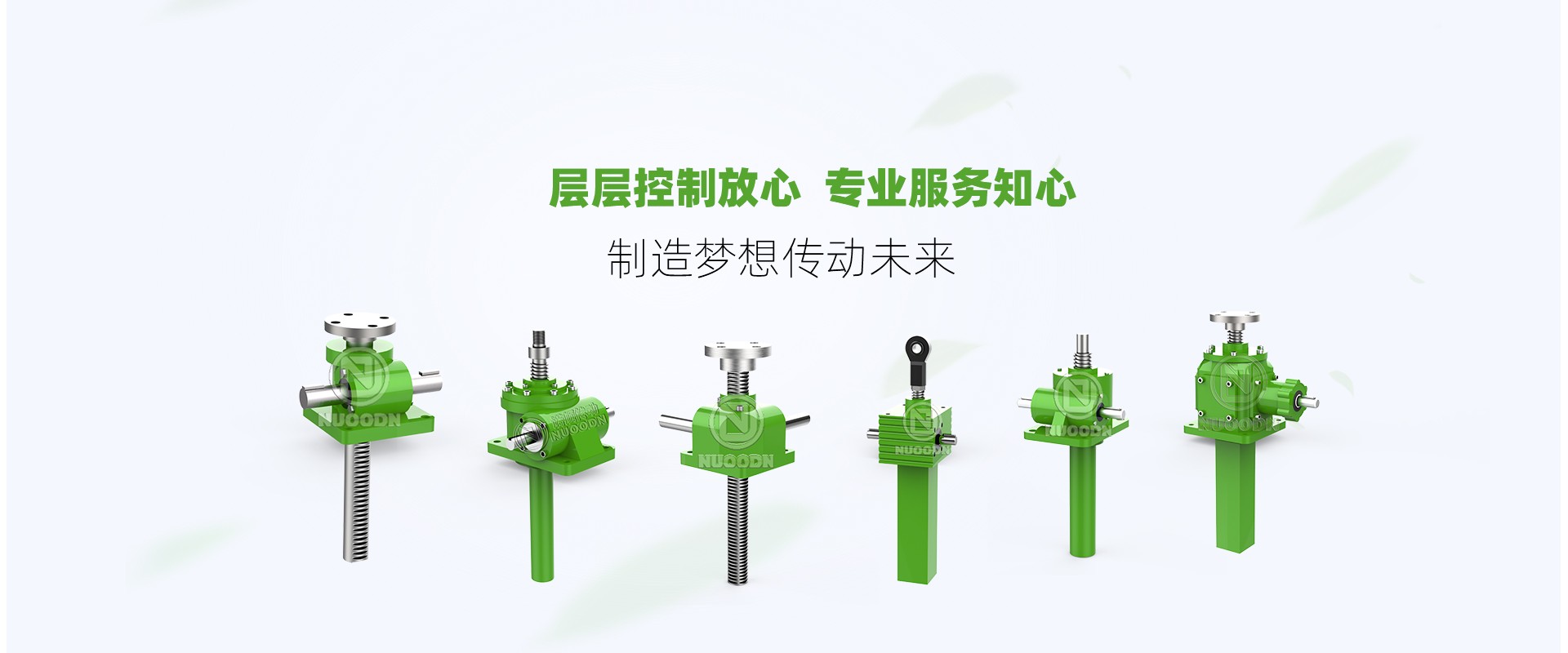
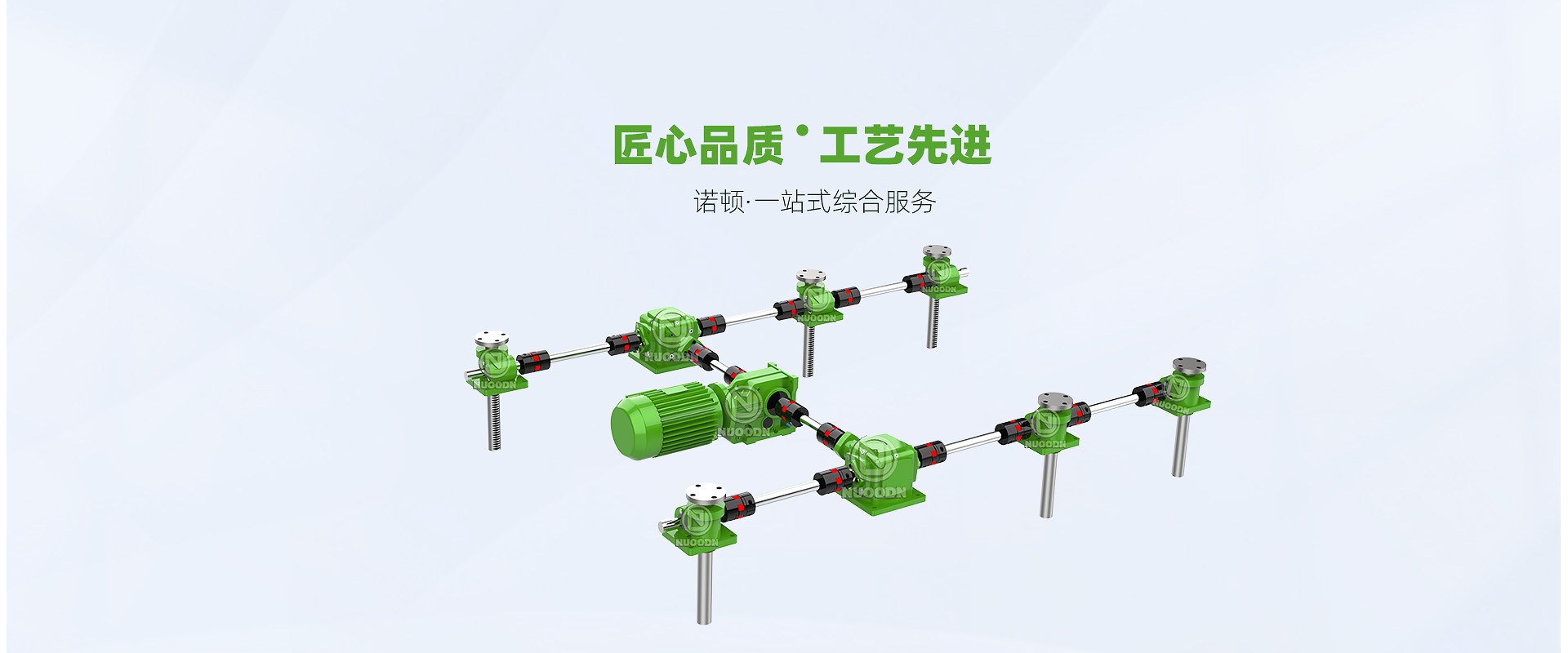

The screw jack, also known as a spiral drive mechanism, is primarily used to convert rotational motion into linear motion or vice versa. It consists of a worm gear reducer and a screw, with the减速 component being the worm gear drive, which uses the worm to drive the worm gear for deceleration. The worm gear acts as the nut for the lifting screw and is matched with it.
Common Issues with Screw Jacks:
1. Elevator overheating and oil leakage
To enhance power, worm gear lifts are made with non-ferrous metals for the worm gears, while the worm shafts are made from slightly harder steel. Due to the sliding friction transmission, a considerable amount of heat is generated during operation, causing the thermal expansion of different parts and seals in the lift. This results in gaps forming at the mating surfaces. The smooth oil becomes thinner with the rise in temperature, leading to a higher likelihood of leakage. The primary reasons for this situation are fourfold: first, the material pairing is not rational; second, the surface quality of the mating friction surfaces is poor; third, the selection of smooth oil quantity is incorrect; and fourth, the installation quality and operating environment are subpar.
2. Worm Gear Wear
Helical gears are typically made of tin bronze, with mating worm shafts heat-treated to HRC 45-55 using 45 steel, or 40Cr steel heat-treated to HRC 50-55 and then ground on a worm grinding machine to achieve a surface roughness of Ra 0.8 μm. Elevators operate with slow wear during normal operation, with some models lasting over 10 years. If wear is rapid, it's necessary to consider whether the selection is correct, if the machine is overloading, and factors such as the material, installation quality, or operating environment of the worm and gear.
3. Wear on the small bevel gear for transmission
Vertical lift elevators typically experience issues primarily related to the quantity and type of lubricating oil added. In vertical installations, it is quite common to have insufficient lubricant, leading to the loss of transmission gear oil between the motor and the elevator when the elevator stops running, resulting in a lack of proper lubrication for the gears. When the elevator starts, the gears suffer from mechanical wear and even damage due to the lack of effective lubrication.
4. Worm gear bearing damage
When malfunctions occur, even with sealed gearboxes, it is often found that the gear oil inside the elevator has become emulsified, and the bearings have rusted, corroded, and damaged. This is due to condensation water produced when the gear oil temperature rises and then cools off inside the elevator after a period of operation, mixing with the water. Of course, it is also closely related to the quality of the bearings and the installation process.
