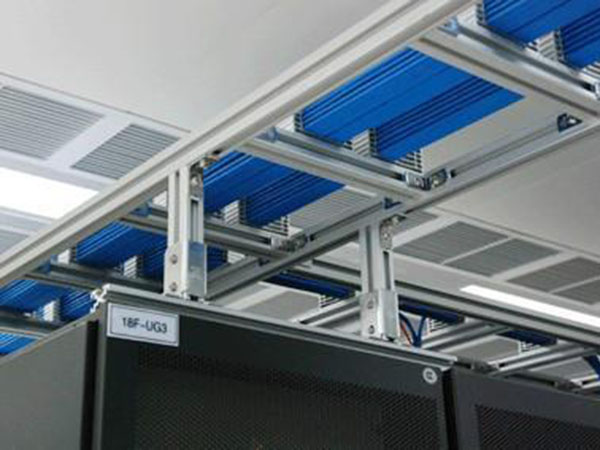


Cable tray manufacturer explains the reasons affecting the corrosion resistance of stainless steel trays
Stainless steel bridge structures, due to the lower thermal conductivity and flame-retardant properties of the materials used, not only possess fire-resistant qualities but also exhibit superior corrosion resistance in actual operation. In complex environments, however, various factors come into play, making the surface conditions of stainless steel bridge structures more intricate and challenging to handle.
Stainless steel bridge supports are a practical stainless steel material. Due to the natural ventilation and favorable climate, they are not prone to rust. However, in environments with high relative humidity, continuous rainy weather, or high pH acidity and alkalinity in the air, stainless steel bridge supports are more susceptible to rust. They possess strong anti-corrosion capabilities and excellent heat resistance, typically used at temperatures below 650°C. 304 stainless steel boasts excellent corrosion resistance and good stress corrosion resistance. In terms of amphoteric oxides, stainless steel bridge supports exhibit strong anti-corrosion properties and have certain advantages in practical applications.
In the production of stainless steel bridge trays, stainless steel sheets are used as raw materials. However, the processing techniques employed in the production of stainless steel can potentially harm its corrosion resistance. Large-scale stainless steel factories with expert technology, sophisticated machinery, and refined processing techniques ensure the proper handling of aluminum alloy elements, waste removal, and control of slab cooling temperatures. This results in a stable and reliable product quality with high cost-performance. The products are not prone to rust, whereas some small steel mills, with outdated equipment and processing techniques, fail to remove slag effectively, leading to products that are bound to rust.