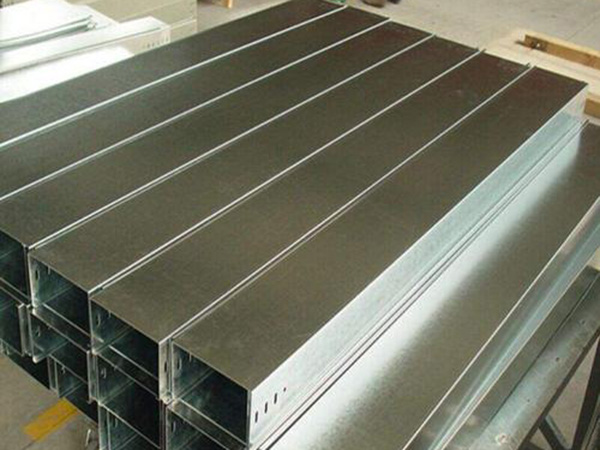


A槽 type cable bridge is a fully enclosed bridge that is suitable for laying computer cables, power cables, thermistor cables, and frequency conversion cables for its high-precision system software. It offers excellent practical effects in shielding frequency conversion cables and in protecting cables from environmental corrosion in natural settings.
Slot-type cable bridge supports are available in three materials: stainless steel plate, aluminum alloy profiles, and steel. The surface treatment of the metal includes hot-dipped galvanizing, fire safety, electrostatic powder coating, and hot-dip galvanizing, offering unique corrosion prevention solutions in heavy immersion environments.
Channel cable tray is a槽体式构件 made from a single, thick steel plate rolled into a channel shape.Nanchang Bridge Support ManufacturerThe difference in definition from ladder racks is in the height and aspect ratio; ladder racks are shallow and wide, while槽式电缆桥架 (slot-type cable bridge) have a certain depth and enclosed design.
Rack-mounted cable trays are suitable for full-enclosed cable laying. They are ideal for laying computer cables, power cables, thermoresistor cables, and frequency conversion cables for high-precision systems. They offer good protection against interference to frequency conversion cables and safety for cables in heavily immersed and corrosive environments.
Key Points for the Use of Channel Cable Bridge Supports
1) Channel cable trays and seismic brackets used in corrosive natural environments should be manufactured from anti-corrosive, rigid materials, or treated with corrosion-resistant solutions. The corrosion-resistant treatment methods should consider the project's environmental conditions and performance requirements.
2) Within areas subject to fire safety regulations, ladder racks and trays for cables can be constructed with materials that have fire-resistant or flame-retardant properties, such as boards or meshes, to form enclosed or semi-enclosed structures. Additionally, fire safety coatings should be applied to the surface of cable trays and seismic support brackets. The overall fire resistance should comply with relevant laws, regulations, or standards.
3) Aluminum alloy bridge structures are not suitable for use in sites with stringent fire safety regulations for engineering projects.
4) The total width and width-to-height ratio of trough cable trays should comply with the filling rate requirements. Generally, the filling rate for cable ladder and tray is 40% to 50% for electric cables and 50% to 70% for frequency converter cables. It is also advisable to预留 10% to 25% for project development contingencies.