Main Products: Dehumidifiers | Humidifiers | Humidity Control Machines | Humidity and Temperature Control Machines
400-8959-004
Many homes now come with basements, which not only increase the usable space for homeowners but, through thoughtful layout design, can also create various functional spaces to meet their living needs. Homeowners often convert basements into different functional areas for family use, such as gyms, home theaters, wine cellars, and storage rooms. However, due to the lack of sunlight, basement storage areas tend to be moist, especially during the rainy season in the summer, when frequent rainfall can lead to condensation. Items stored there may mold. This situation is more common in southern regions, while northern areas often experience moisture...
Here's a compiled guide and solution for basement moisture prevention!
Poor ventilation: Due to the basement's location, which is rather concealed, the ventilation is inadequate. Many basements lack windows, making them particularly damp during rainy weather.
2. High humidity: Basements are usually close to the ground surface, affected by the humidity of the surface air, resulting in extremely high humidity in the air inside the basement. Additionally, poor ventilation in basements exacerbates the dampness.
3. Significant indoor-outdoor temperature differences: With the outdoor air being hot and the basement being relatively cool, a temperature difference is formed. This leads to a lot of condensation on the basement walls, making the area inside very damp. If not addressed promptly, bacteria can grow, resulting in a刺激性 odor.
Hazard One: Leads to electrical appliances becoming damp and short-circuiting, rendering them unusable and potentially causing further hazards.
Hazard Two: Causes damage to buildings, such as indoor walls developing mold, peeling, and corrosion.
Hazard Three: Fosters mold growth, leading to respiratory allergies, allergic bronchitis, cardiovascular and cerebrovascular diseases.
Four: Moisture damage can make the floor slippery, increasing the risk of people slipping and falling.
Ventilation and Moisture Prevention: For dampness issues in basements, a simple solution is to enhance indoor ventilation. Just open the windows for air circulation. If there are no windows, you can turn on an electric fan to blow air, which can improve the dampness in the basement.
2. Desiccant Moisture Control: In addition to using electrical appliances, you can also place some moisture-absorbing items in the room, such as desiccants and charcoal packs. However, the effectiveness of desiccants is not very good, and they don't last long, requiring frequent replacement.
3. Radiant Floor Moisture Prevention: Installing radiant heating in the basement can raise the temperature, evaporate moisture, thereby reducing the air humidity.
4. Dehumidification for Appliances: If it's the rainy season and the outdoor air humidity is high, ventilation methods cannot be used, then dehumidification for appliances can be adopted.DehumidifierDehumidification has been implemented, yielding impressive results.
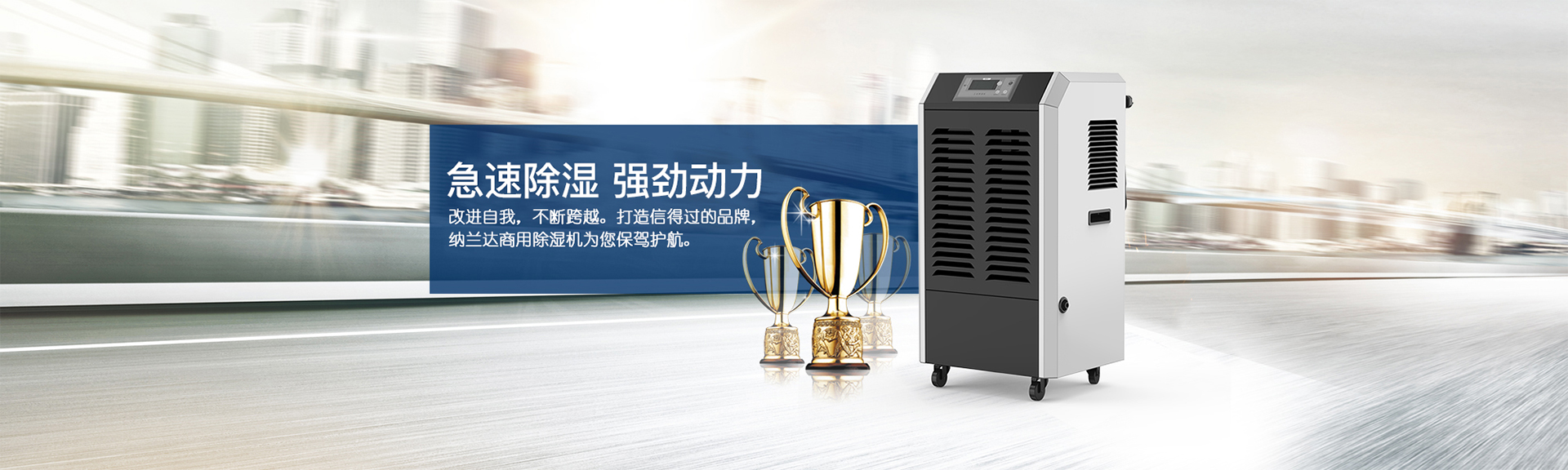
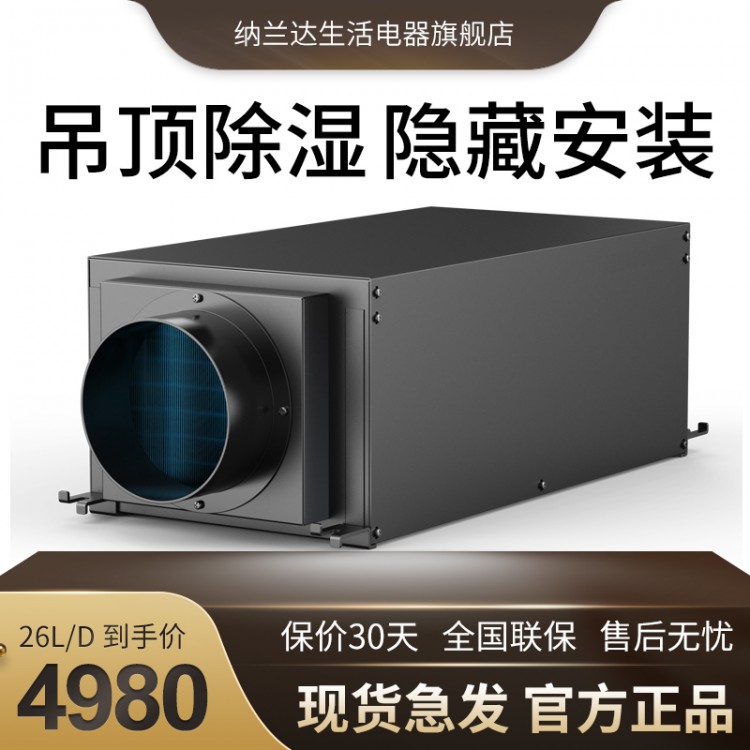
Naranda HomeDehumidifierCommercialDehumidifier、Industrial DehumidifierHigh-Power Basement Dehumidifier – Engineered for Moisture Control and Prevention
Expertly crafted, quality engineering; compact size, high performance, providing you with a dry and refreshing underground space! With a single button press, the automatic dehumidification function activates, swiftly removing excess moisture from the basement area and effectively controlling humidity.
Above is the information regarding damp basements, we hope it's helpful to you all! There are many methods to deal with damp basements, you might want to refer to the practices mentioned above.
Contact us

Service Hotline
15558108181
Company Telephone
400-8959-004

Address
No Chinese content provided.
b2b.china9.net © Zhongshang 114 Hebei Network Technology Co., Ltd.Address: Room 6009, Oriental New World Center, No.118 East Zhongshan Road, Qiaoxi District, Shijiazhuang City, Hebei ProvincePlatform Service Hotline: 4006299930