

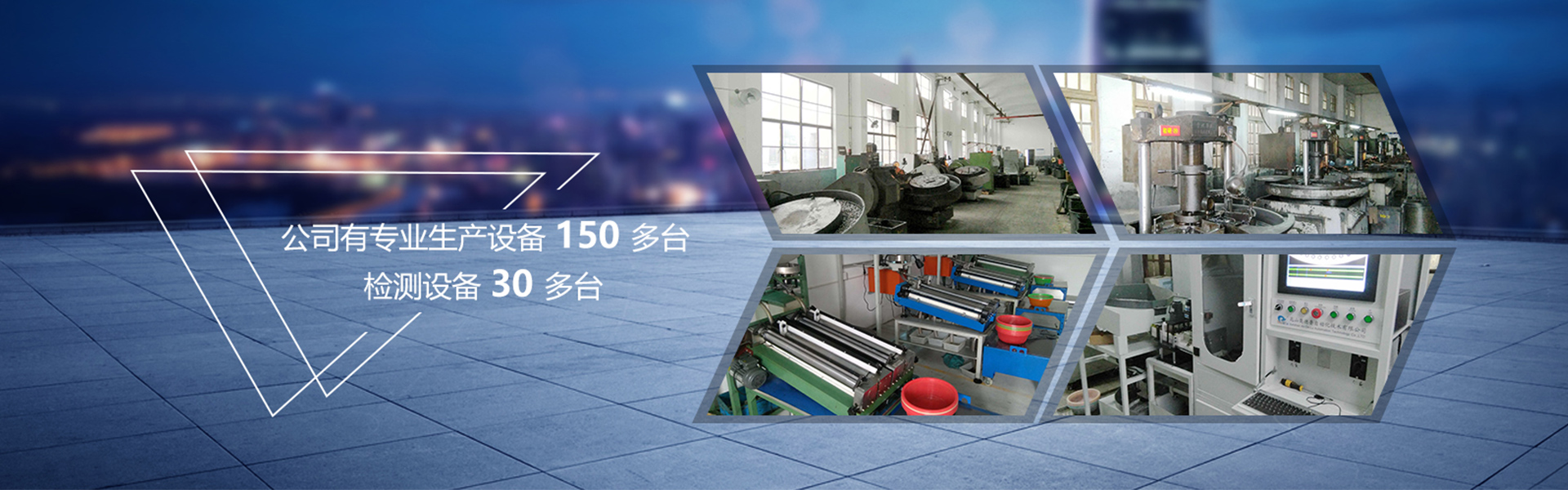

The stainless steel ball processing industry began at the end of the last century and has progressively improved its processing techniques with technological advancements, leading to rapid development in the steel ball sector. Many manufacturers, in an effort to cut costs, resort to "cutting corners" or "passing off substandard products as high-quality." The aim is to maintain a favorable price advantage and ensure long-term business growth. However, "cutting corners" is not a sustainable long-term strategy. The market now demands competitive advantages in both quality and price for steel balls. After all, scientific energy-saving and consumption reduction measures are the competitive tools for the steel ball manufacturing industry. Below, the editor will discuss how to reduce energy consumption in the production of stainless steel balls.
1. Scientific Selection of Raw Materials
In the selection of raw materials for stainless steel ball production, material utilization must be considered. Firstly, it is essential to minimize the middlemen in the procurement process and deal directly with steel suppliers to reduce material cost. When choosing steel manufacturers, it is crucial to be aware that price differences can affect quality. Selecting material suppliers with high cost-performance can save additional resource waste.
Manufacturing Process
When it comes to manufacturing molds, opt for hard alloy molds or those with hardened surfaces. This enhances the steel ball's resistance to wear and fatigue. In the cold heading process for stainless steel steel balls, use hard cutting tools to effectively reduce the tolerance of the ball blanks, saving materials. Additionally, the mold's lifespan is extended, thereby reducing costs throughout the production process.
3. Raw Material Control
Steel balls require abrasive and coolant assistance during the polishing, hard grinding, and grinding processes. Scientific and effective control over the timing and quantity of abrasive coolant can significantly reduce the cost of auxiliary materials, thereby lowering the overall production cost of steel balls.
These are some methods the editor has discussed for reducing the energy consumption of stainless steel ball production. It is the correct path and choice to continuously improve the quality and technology of the steel balls while scientifically lowering production costs.
