

公司主营:Pre-fabricated pump stations, environmental protection equipment, electrical automation equipment, pumps, and integrated electromechanical equipment - design, manufacturing, installation, debugging, and maintenance
15318738115

Product Center
Company Qualification
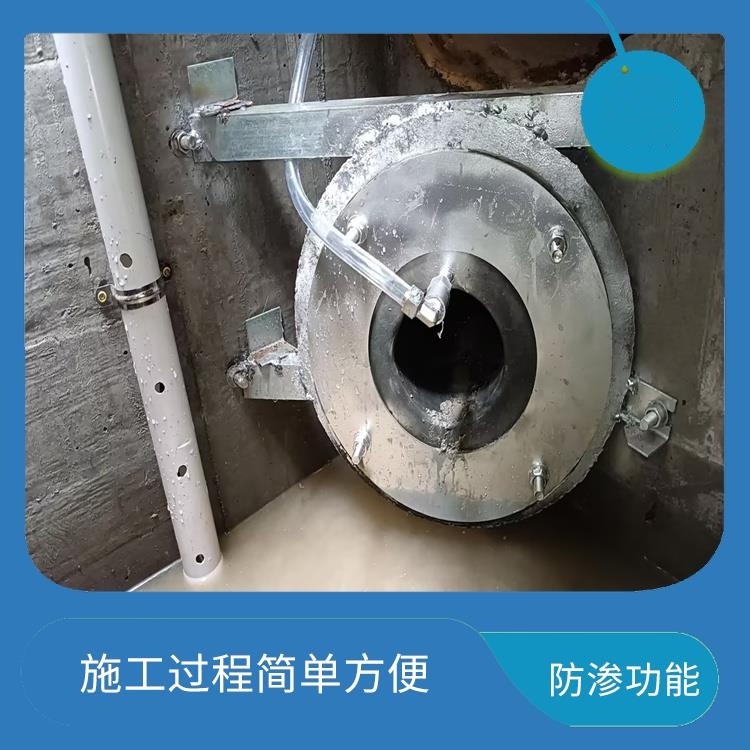
Flexible Pneumatic Cut-Off Device Phone | Drainage Function | Easier Maintenance


Details Introduction
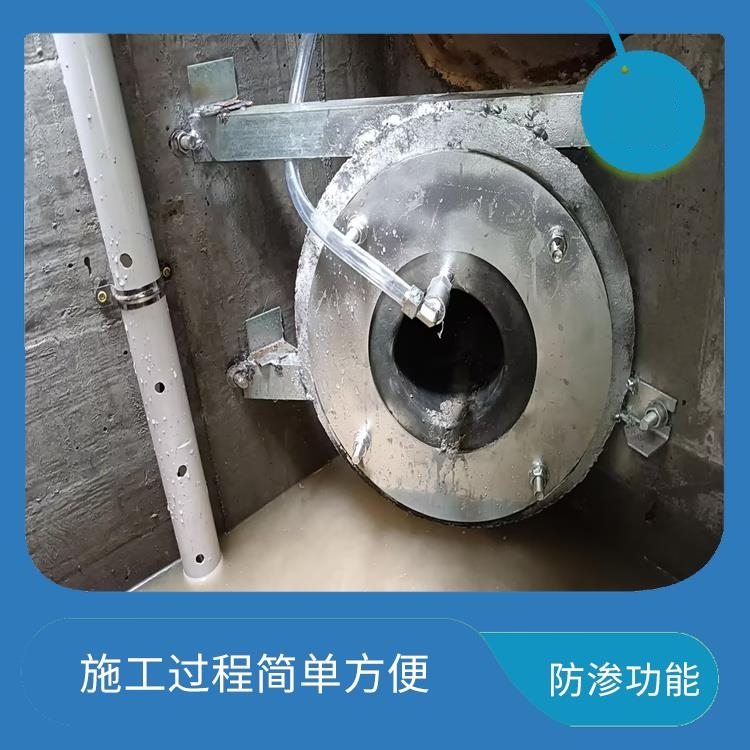
An air-powered flexible sewage interception device is a wastewater interception unit made using pneumatic principles and flexible materials. It typically consists of a flexible interception curtain and a pneumatic mechanism.
The pneumatic device controls the gas source's on/off switch to allow gas into the airbag inside the interception curtain, causing the airbag to inflate and push the interception curtain open, forming a flexible barrier to block the flow of wastewater. To retract the interception curtain, simply close the gas source switch, releasing the gas inside the airbag, and the curtain retracts automatically.
The pneumatic flexible intercepting device boasts the following advantages:
Flexible materials make the intercepting curtain highly flexible and stretchable, capable of adapting to different shapes and sizes of sewage channels.
2. The pneumatic device offers easy control, allowing for the remote or automatic unfolding and retracting of the grease curtain.
3. The flexible barrier formed when the wastewater curtain is deployed effectively blocks the flow of wastewater, reducing its spread and contamination.
4. The pneumatic flexible interception device is reusable and boasts a longer service life.
The pneumatic flexible sewage interception device is widely used in wastewater treatment, river sediment removal, and reservoir cleaning, effectively controlling the flow of wastewater and protecting the environment.
Flexible Wastewater Treatment is a new type of wastewater treatment technology featuring:
1. Energy-saving: Flexible intercepting sedimentation is processed using natural ventilation and solar heating, requiring no external energy supply, enabling energy utilization and emission reduction.
2. Strong Flexibility: The flexible intercepting system can be designed and installed according to actual needs, accommodating different sizes and shapes of wastewater treatment sites, offering high flexibility and adaptability.
3. High shock resistance: The flexible intercepting device is made of flexible materials, capable of effectively absorbing and buffering the impact force of wastewater, reducing the risk of wear and damage to wastewater treatment equipment.
4. Easy Operation and Maintenance: The flexible interception operation and maintenance is relatively simple, requiring minimal human and material resources, thereby reducing operational and maintenance costs.
5. Eco-friendly Water Conservation: Flexible interception can effectively reduce the content of suspended solids and organic matter in wastewater, improve water quality, decrease environmental pollution, and achieve the conservation and sustainable use of water resources.
In summary, flexible interception has features such as energy-saving, high flexibility, strong shock resistance, easy operation and maintenance, and environmental protection water conservation, making it a highly applicable wastewater treatment technology.
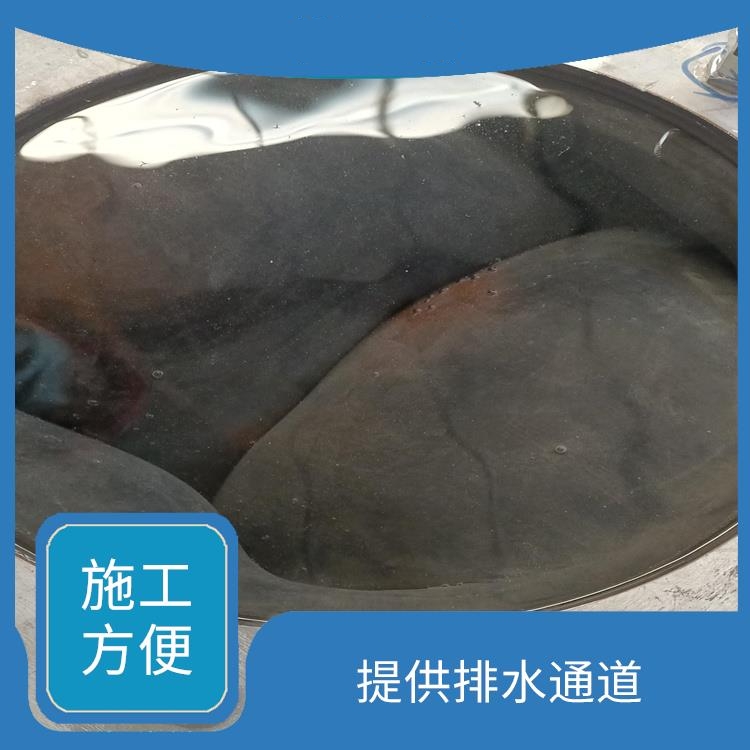
Flexible pneumatic flow control device is a device that utilizes air flow power to control fluid flow. Its features are as follows:
Flexible: The flexible pneumatic flow control device is manufactured from flexible materials, allowing it to bend, stretch, and deform as needed, accommodating various fluid flow requirements.
2. The flexible pneumatic cutoff device can control fluid flow by adjusting the pressure and flow rate of the air, achieving cutoff effects to enhance the efficiency of fluid flow.
3. Energy-saving: The flexible pneumatic cutoff device controls fluid flow by adjusting the flow rate and pressure of the air, avoiding the high energy consumption issue associated with traditional mechanical cutoff devices, thus achieving energy-saving effects.
4. The flexible pneumatic shutoff device can control fluid flow by adjusting the control parameters of air flow, achieving high-precision shutoff effects and is suitable for applications with stringent requirements for fluid flow control.
5. Reliable: The flexible pneumatic cutoff device features a reliable pneumatic control system, offering high stability and reliability for long-term stable operation.
In summary, the flexible pneumatic shutoff device boasts flexibility, energy efficiency, and reliability, making it suitable for fluid flow control applications.
The characteristics of the exhaust system equipment include the following aspects:
1. Multi-functionality: The exhaust system equipment can perform various functions, including monitoring, recording, alarming, controlling, and processing. It can monitor the concentration and flow rate of pollutants like exhaust gases and wastewater through sensors, record and alarm based on set standards, and treat exhaust gases and wastewater via control devices to meet emission standards.
2. Automation: The effluent system equipment utilizes automated control technology, enabling automatic monitoring, control, and processing. It can automatically monitor and control the effluent based on pre-set parameters and standards, and adjust the operational status of the processing equipment according to monitoring results, achieving automated operations.
3. High Precision: The exhaust system equipment utilizes high-precision sensors and instruments to measure and monitor the concentration and flow of pollutants at the exhaust outlet. It can real-time monitor and record the emission status of pollutants, and provide accurate data analysis and reports.
4. Reliability: The exhaust system equipment boasts high reliability and stability, ensuring long-term stable operation and accuracy in monitoring and control. It employs sensors and control technologies with strong anti-interference capabilities and fault self-diagnosis, enabling timely detection and handling of equipment malfunctions.
5. Networked: The exhaust system equipment can be interconnected with other environmental monitoring devices and information management systems, enabling data sharing and remote monitoring. It can transmit data over the network, interact and share data with other devices, and can be remotely monitored and controlled for remote management and operation of the exhaust system equipment.
Overall, the exhaust system equipment boasts features such as versatility, automation, high precision, reliability, and networking, enabling monitoring, control, and treatment of exhaust outlets, enhancing the efficiency and effectiveness of environmental protection and pollution control.
The characteristics of stainless steel material's resistance to alkali include:
Corrosion Resistance: Stainless steel has excellent corrosion resistance, capable of withstanding the侵蚀 of alkaline substances. Its primary component is chrome, which forms a dense oxide layer to prevent corrosion by alkaline substances.
2. High-Temperature Stability: Stainless steel maintains its alkali resistance at high temperatures. It can withstand the erosion of alkaline substances in high-temperature environments without deformation or corrosion.
High strength and hardness: The stainless steel material has high strength and hardness, capable of withstanding the impact and abrasion of alkaline substances.
4. Abrasion Resistance: Stainless steel material boasts excellent abrasion resistance, capable of withstanding wear and damage from alkaline substances.
5. Longevity: Due to the excellent corrosion and wear resistance of stainless steel, it has a longer service life and can operate stably for a long time in alkaline environments.
In summary, the alkali-resistant properties of stainless steel make it an ideal choice for many alkaline environments, such as in the chemical and food processing industries.
High-tensile composite rubber features the following characteristics:
High Strength: High-strength composite rubber boasts excellent tensile and compressive strength, capable of withstanding significant force and pressure.
2. Abrasion Resistance: High-strength composite rubber boasts excellent abrasion resistance, capable of withstanding friction and wear, thereby extending service life.
3. Corrosion Resistance: High-strength composite rubber exhibits excellent corrosion resistance, capable of withstanding erosion from acids, alkalis, greases, and other chemical substances.
4. Elasticity: High-strength composite rubber features excellent elasticity, capable of returning to its original shape while maintaining stability, offering good shock absorption and cushioning effects.
5. Sealing: High-strength composite rubber boasts excellent sealing properties, effectively preventing the penetration and leakage of liquids, gases, and impurities.
6. Temperature Resistance: High-strength composite rubber boasts excellent temperature resistance, maintaining stability and performance in both high and low-temperature environments.
7. Malleability: High-strength composite rubber boasts excellent malleability, allowing for molding and processing through methods such as heating and pressure, catering to various shapes and size requirements.
In summary, high-strength composite rubber boasts features such as high tensile strength, wear resistance, corrosion resistance, elasticity, sealing, temperature resistance, and plasticity, and is widely used in industries, transportation, construction, and other fields.
李震 (Mr.)
15318738115
15318738115
No. 11, Tonghui Road, Economic and Technological Development Zone, Pingdu City, Qingdao, Shandong Province
b2b.china9.net © Zhongshang 114 Hebei Network Technology Co., Ltd.Address: Room 6009, Oriental New World Center, No.118 East Zhongshan Road, Qiaoxi District, Shijiazhuang City, Hebei ProvincePlatform Service Hotline: 4006299930
