

公司主营:Pre-fabricated pump stations, environmental protection equipment, electrical automation equipment, pumps, and integrated electromechanical equipment - design, manufacturing, installation, debugging, and maintenance
15318738115

企业资质
The Role and Customization of Integrated Drainage Pump Stations
2023-11-21
Product Function
Product Composition
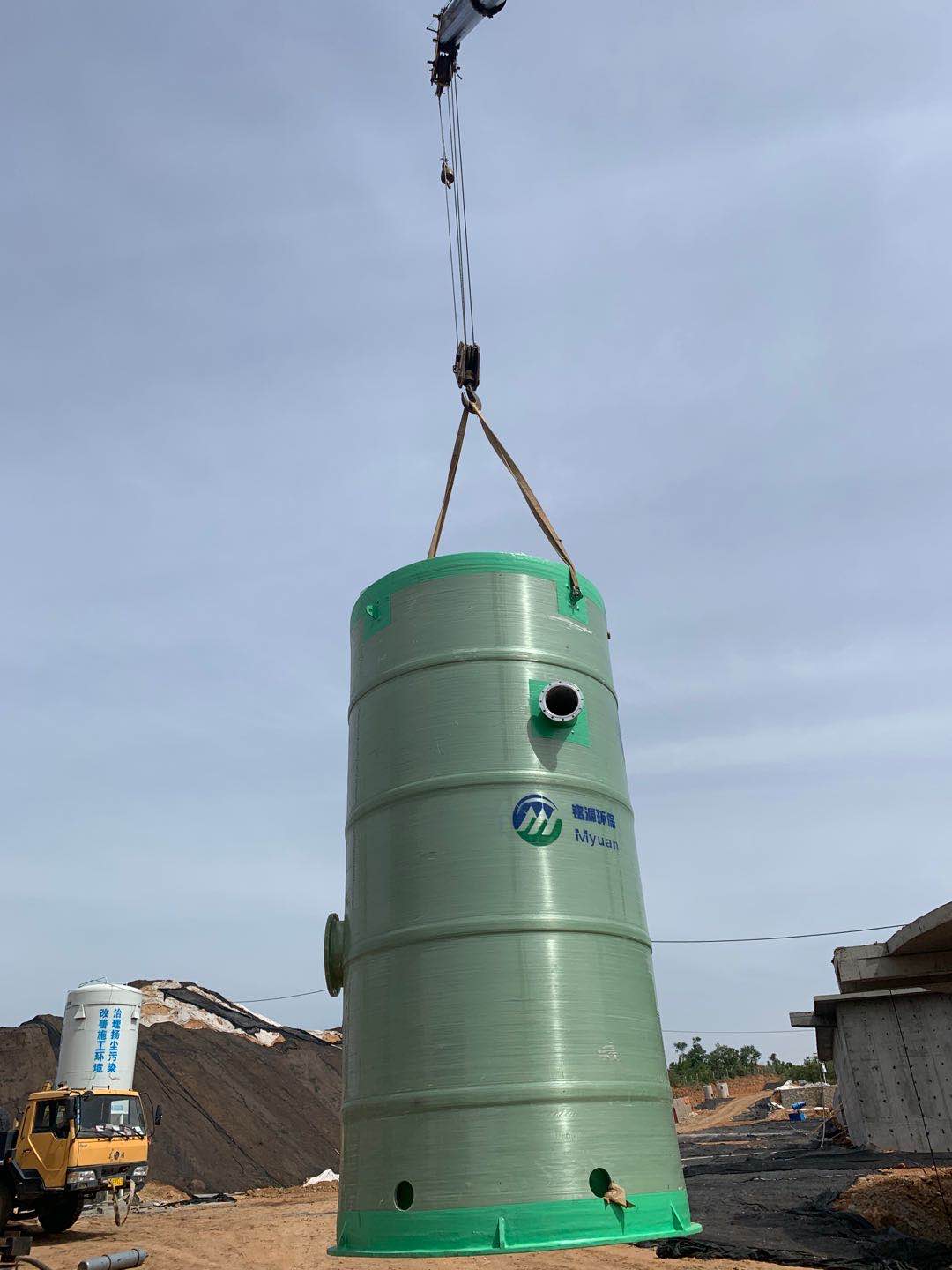
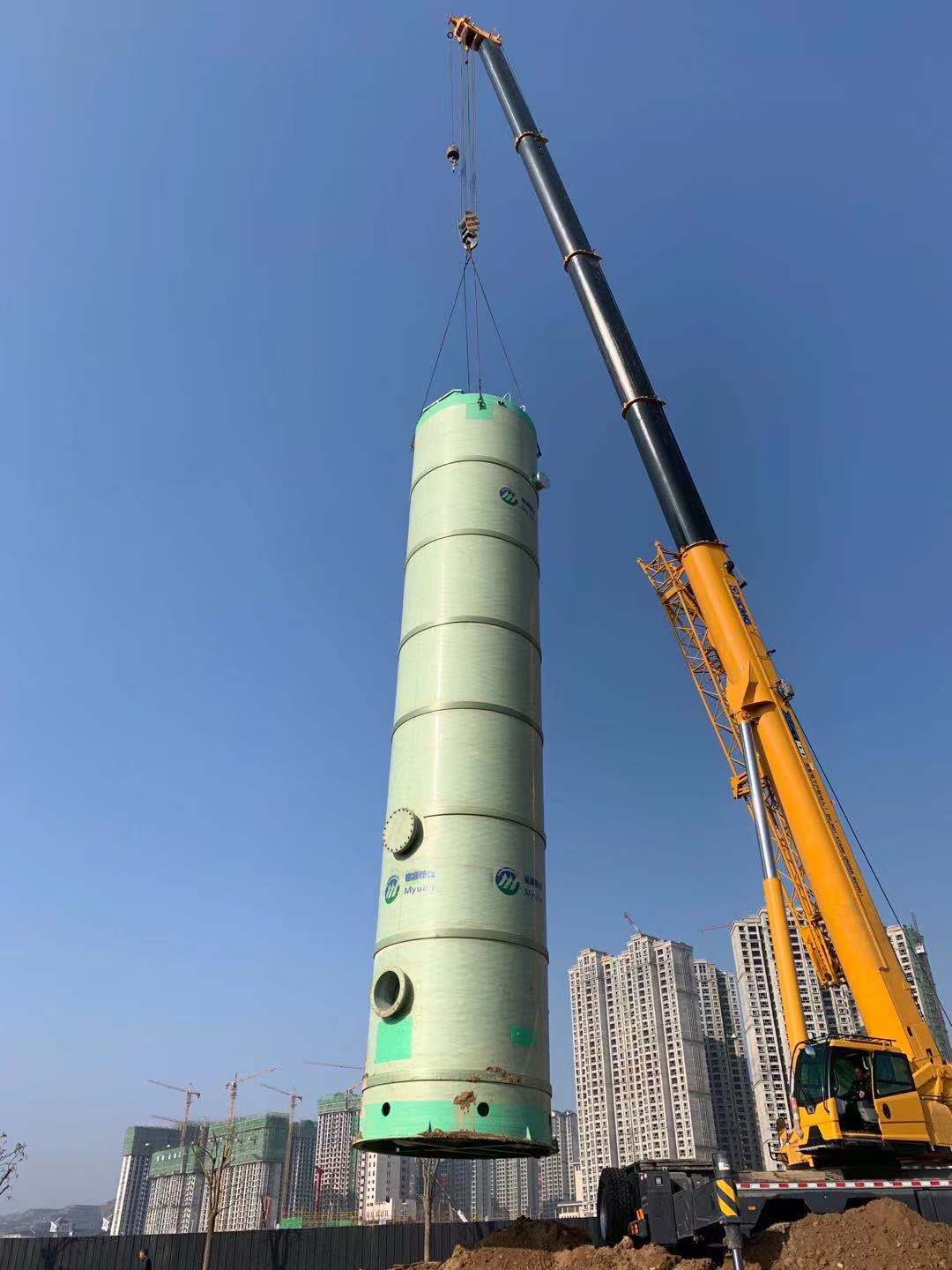
The flood drainage integrated precast pump station is mainly composed of glass fiber reinforced plastic cylinder, sewage lifting pump, crushing grate, intelligent control system, operation platform, and related accessories such as manhole covers.
Section II: Selection of Pump Station Components
Pump Selection
The first parameter to determine for an integrated precast pumping station for flood drainage is the flow rate of the station, which is determined based on the wastewater volume to be treated. Once the flow rate is established, we select the appropriate pump set based on the flow rate, typically using three to four wastewater lift pumps (including backup pumps). The selection of the pump is based on flow rate and head.
Tubular Selection
Grille Selection
Control Cabinet Selection
Base Selection
When the pump station is located below the groundwater level, it is subject to buoyancy, making the anti-buoyancy design of the cylinder crucial. The usual method is to connect the cylinder base to the foundation with concrete grouting to prevent the cylinder from rising.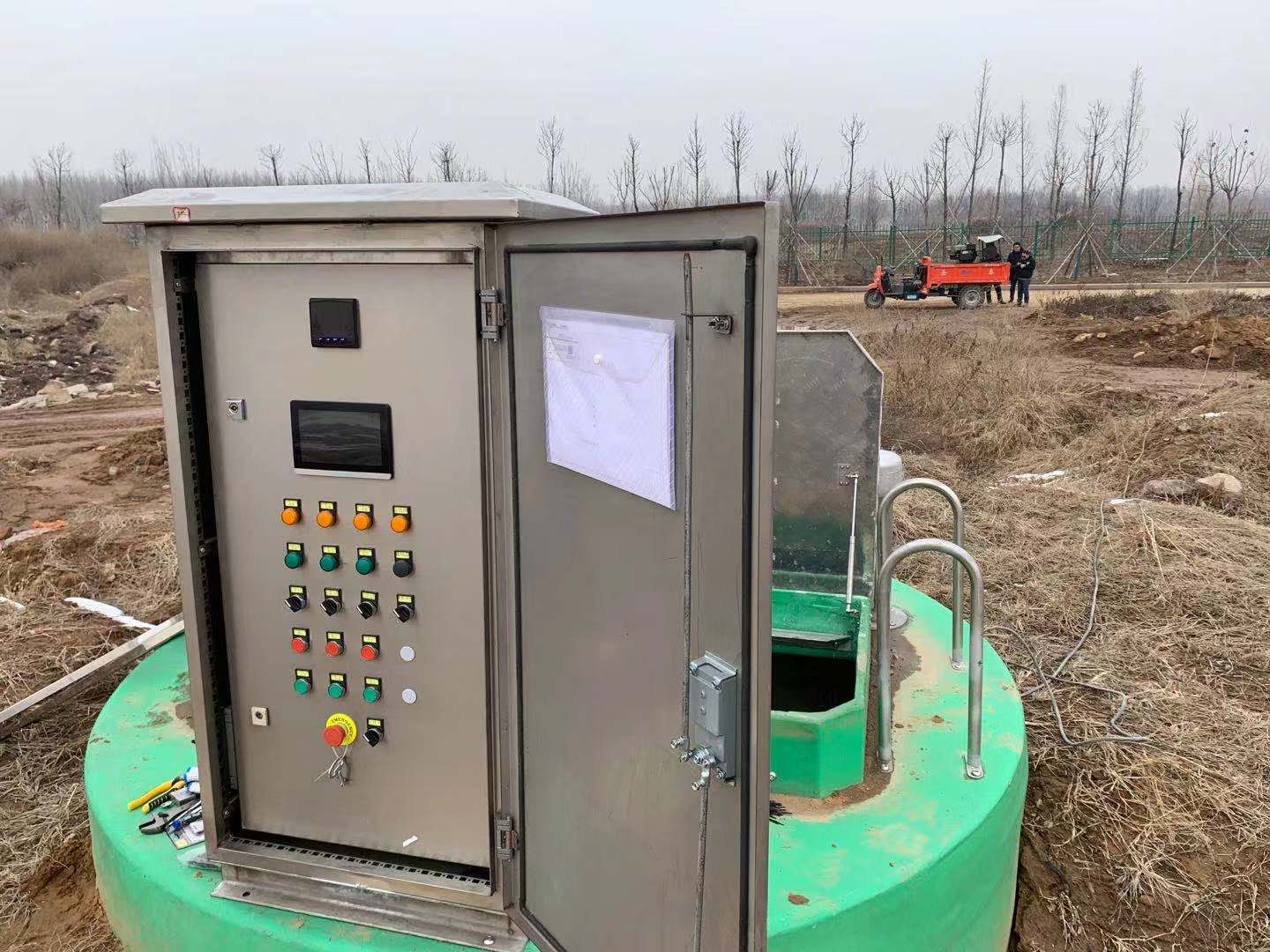
IV. Construction Methods and Procedures for Drainage Pump Stations
Background Technology
Each rainy season, flood control and drainage become a top priority for the department. Certain areas, with low-lying terrain and pipelines that lack powered waste water transportation, are particularly prone to flooding, which can淹没 roads and residential areas. In extreme cases, wastewater backflow can occur, causing inconvenience to residents and economic losses. With the implementation of disaster prevention and reduction projects, the construction of sluice gates, embankments, and drainage pump stations has enhanced the city's flood control and drainage capabilities.
2. In traditional drainage pump stations, the drainage pumps cannot filter out sediments and stones from the water during the pumping of rain and wastewater, which increases the viscosity of the fluid, thereby reducing the lift height of the pump and increasing energy consumption. Additionally, sediments and debris in the water can cause blockages in pipes and damage to the pump impeller, thereby shortening the lifespan of the drainage pump.
3. Regarding the aforementioned technology, the inventor believes that traditional drainage pumps cannot filter out silt and stones from rainwater, which would increase the energy consumption of the entire drainage station.
(1) Excavation of the foundation pit is carried out using machinery, with manual assistance for cleaning. The soil is transported in conjunction with excavators and dump trucks, being transported externally to the soil stacking area. To ensure the safety of soil excavation and prevent collapses, the foundation pit is graded at a 1:0.67 slope. The layout and leveling work is closely coordinated with manual soil excavation. Special attention must be paid to controlling the elevation of the pool bottom during construction. It is mandatory to leave a 20cm buffer of soil, which will be cleared manually. It is strictly prohibited to dig, disturb, or damage the original soil condition, as this may affect load-bearing capacity.
(7) Excavation Dewatering
李震 (Mr.)
15318738115
15318738115
No. 11, Tonghui Road, Economic and Technological Development Zone, Pingdu City, Qingdao, Shandong Province
b2b.china9.net © Zhongshang 114 Hebei Network Technology Co., Ltd.Address: Room 6009, Oriental New World Center, No.118 East Zhongshan Road, Qiaoxi District, Shijiazhuang City, Hebei ProvincePlatform Service Hotline: 4006299930
