





- AllProduct Category
-
Calcium Oxide
Calcium Hydroxide
Gypsum powder
Heavy Calcium Powder
Lime Powder


Recommended Products
详情描述
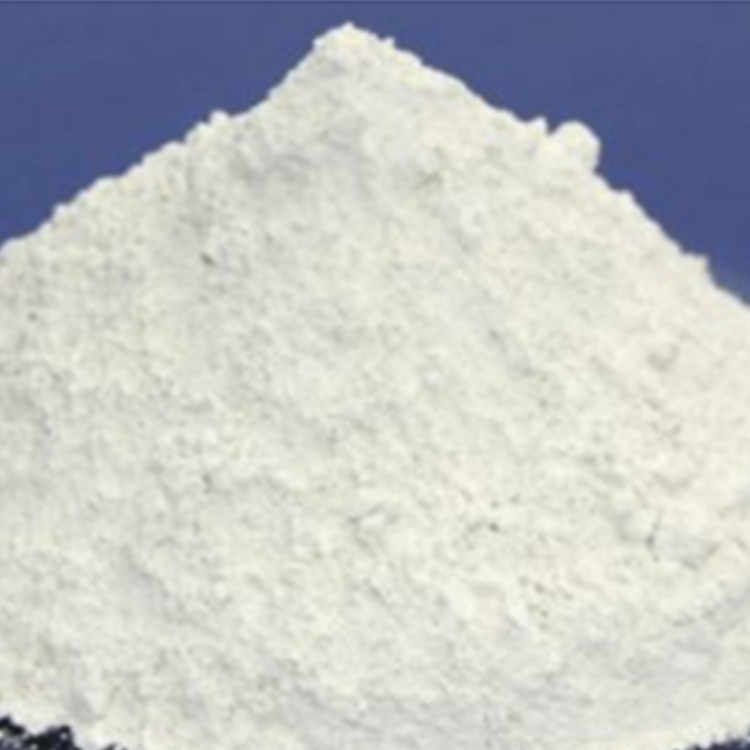
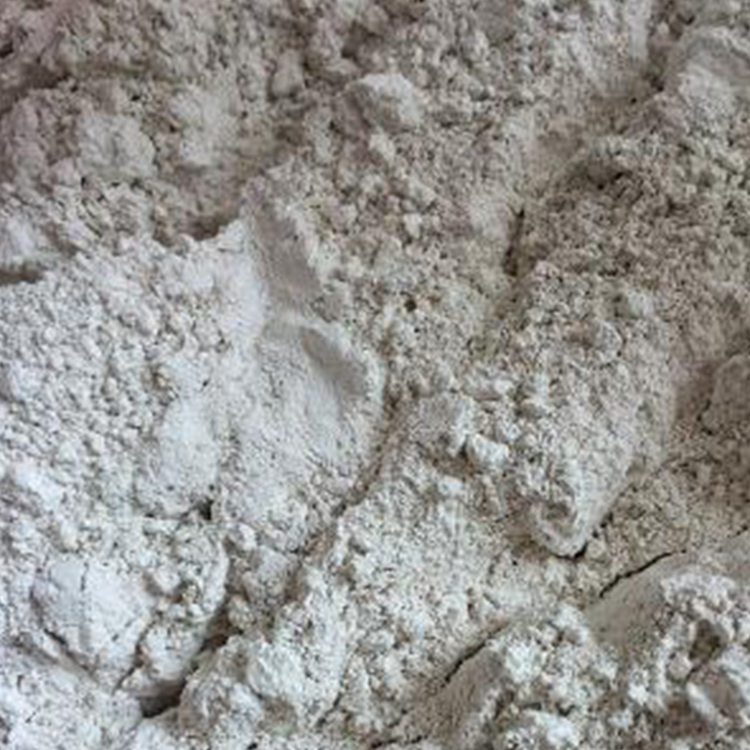
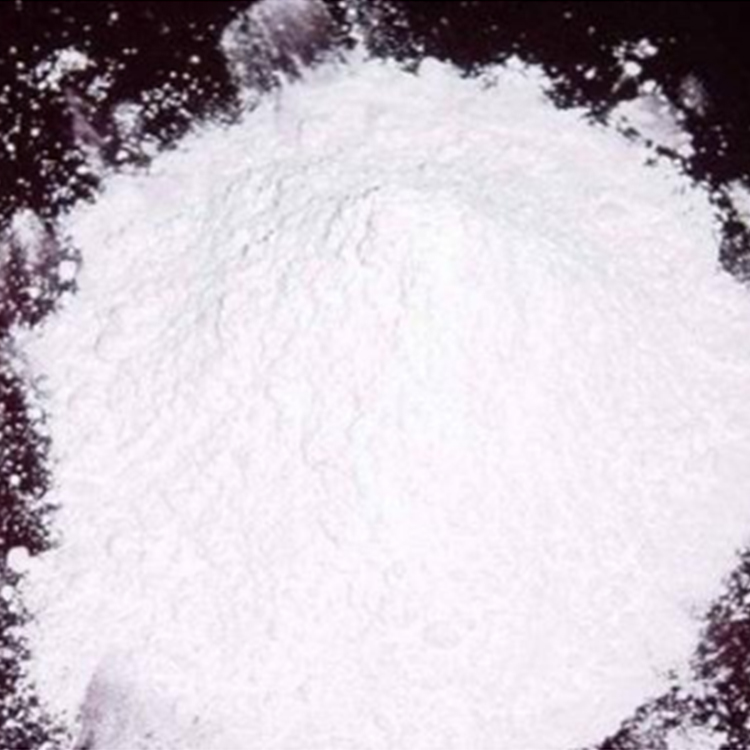
Lime powder is a white, powdery substance primarily composed of calcium carbonate. Its applications are very extensive, commonly used in the construction industry, known as industrial-grade calcium carbonate. Another type is food-grade calcium carbonate, which serves as a common calcium supplement and is widely utilized.
Category:
Common calcium fortification agents include calcium carbonate, which comes in two types: heavy calcium carbonate, obtained by grinding limestone to a certain fineness using a lime stone mill and used as a food additive; and light calcium carbonate, produced by calcining limestone.
Production Process:
The traditional lime production process involves layering limestone and fuel (wood) and then firing it to obtain lime. Modern methods use mechanized and semi-mechanized vertical kilns, as well as rotary kilns and fluidized bed furnaces, for production. The firing time is also shortened, with the production of lime in a rotary kiln taking only 2 to 4 hours, which can increase production efficiency by over 5 times compared to vertical kilns. Energy-saving technologies and equipment such as cross-flow, double-inclined slope, oil-fired circular vertical kilns, and short rotary kilns with preheaters have been developed, and the fuel range has expanded to include coal, coke, heavy oil, or liquefied gas.
Packaged in plastic woven bags lined with polyethylene plastic film bags, each bag contains a net weight of 25kg. Store in a dry storage room. Prevent moisture. Avoid storage or transportation with acidic substances. Protect from rain during transportation. In case of fire, extinguish with water, sand, or a dry chemical fire extinguisher. Physical Properties: Fine white powder. Relative density 2.24. Absorbs carbon dioxide in the air to form calcium carbonate. Soluble in acids, ammonium salts, and glycerin, slightly soluble in water, insoluble in alcohol, strongly alkaline, corrosive to skin, fabrics, utensils, and other materials. Its aqueous solution is commonly known as lime water.
Lime has a wide range of applications in civil engineering, primarily used for the following purposes:
(1) Lime milk and mortar: Hydrated lime powder or lime putty mixed with a large amount of plastering. Lime putty or hydrated lime powder can be used to make lime mortar or cement-lime mixed mortar, suitable for masonry or plastering work.
(2) Lime-stabilized soil is a mixture obtained by adding powdered quicklime or hydrated lime to various crushed or originally loose soils, after mixing, compacting, and curing. This material is known as lime-stabilized soil, which includes lime soil, lime-stabilized sand and gravel soil, and lime gravel soil, among others. Lime-stabilized soil possesses certain strength and water resistance. It is widely used as the foundation for buildings, sub-base for floors, and subgrade for road pavements.
(3) Silicate Products - Made primarily from lime (either quicklime powder or calcium oxide powder) and siliceous materials (such as sand, fly ash, volcanic ash, slag, etc.), these products are produced through a process of mixing, molding, and curing to yield bricks, blocks, and other items. As the primary binding substance within is calcium silicate hydrate, they are referred to as silicate products. Common types include slag bricks and fly ash bricks.


