


- AllProduct Category
-
Calcium Oxide
Calcium Hydroxide
Gypsum powder
Heavy Calcium Powder
Lime Powder


Recommended Products
详情描述
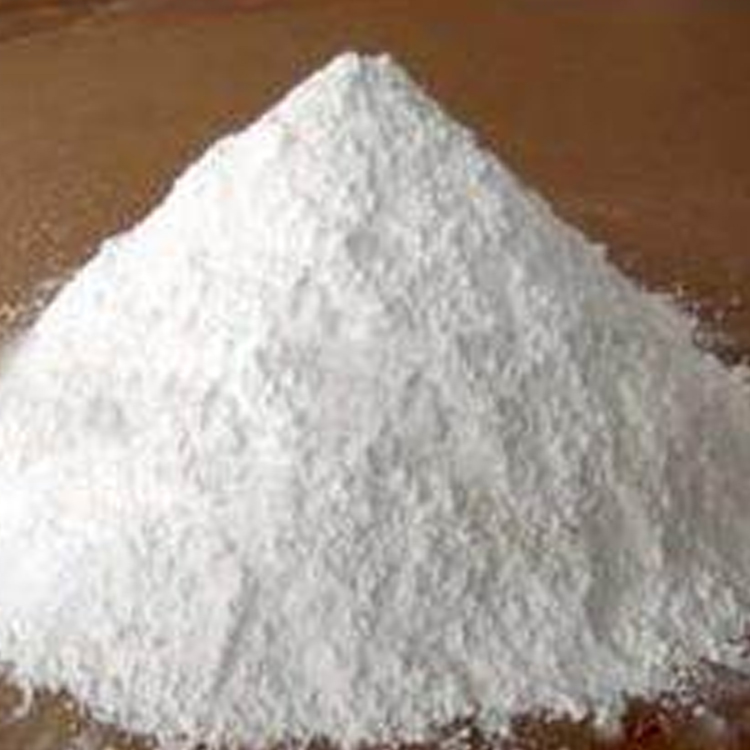
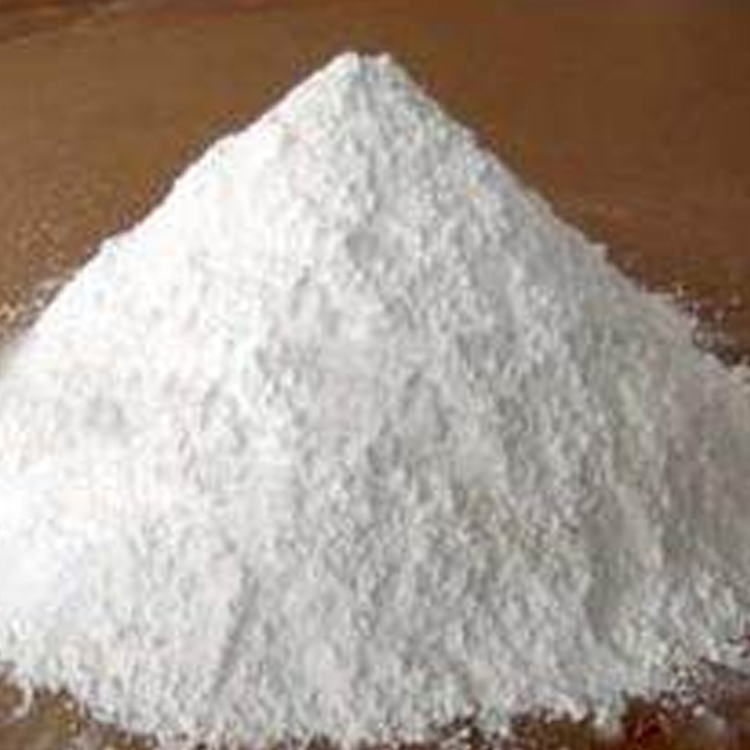
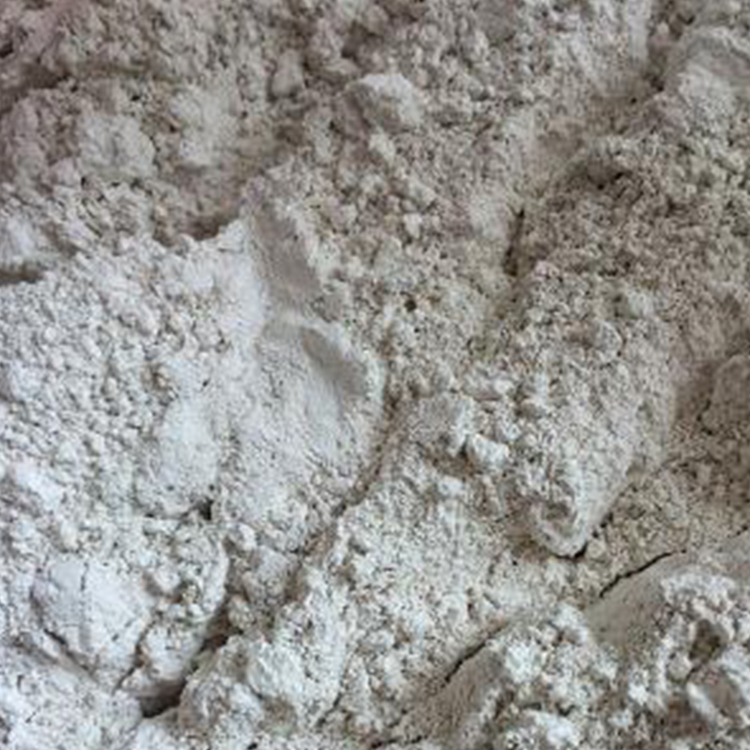
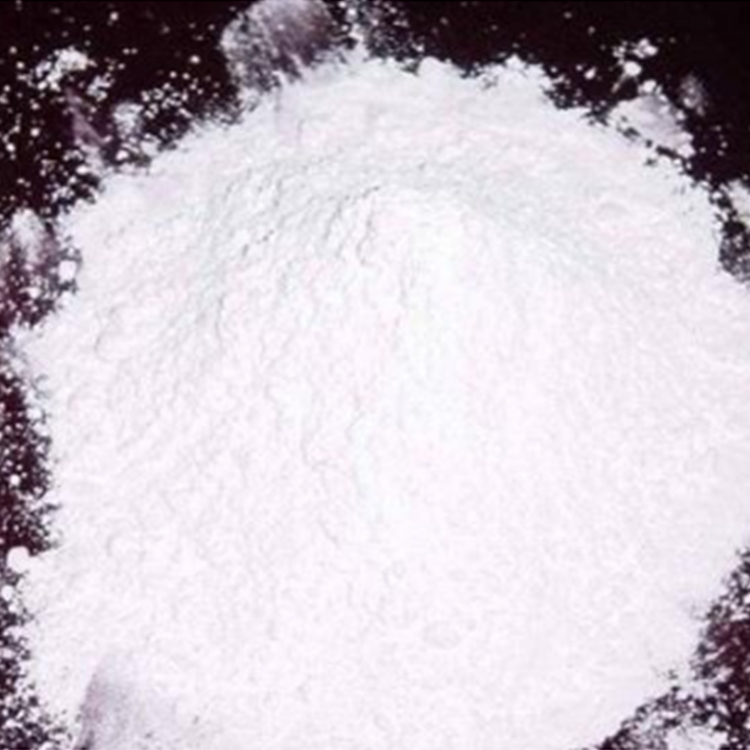
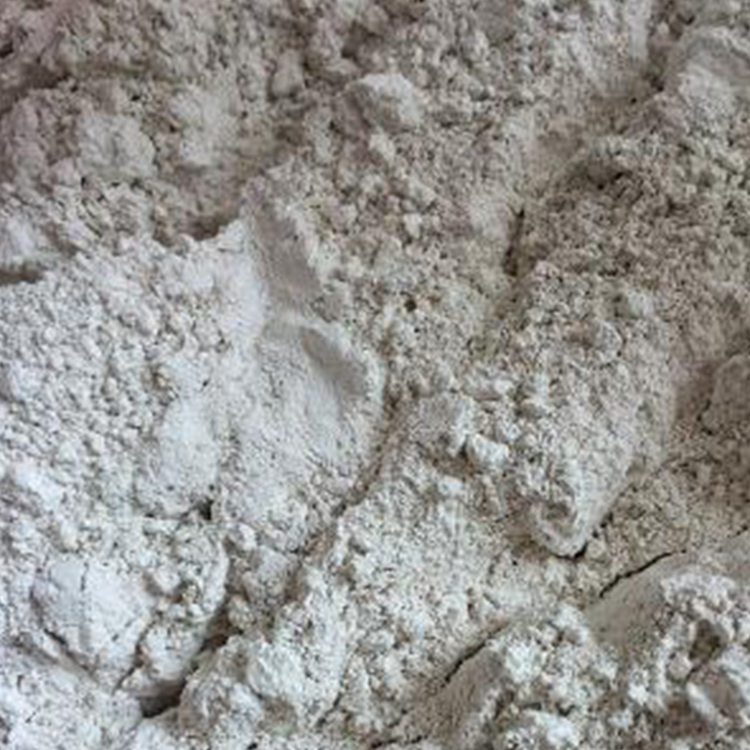
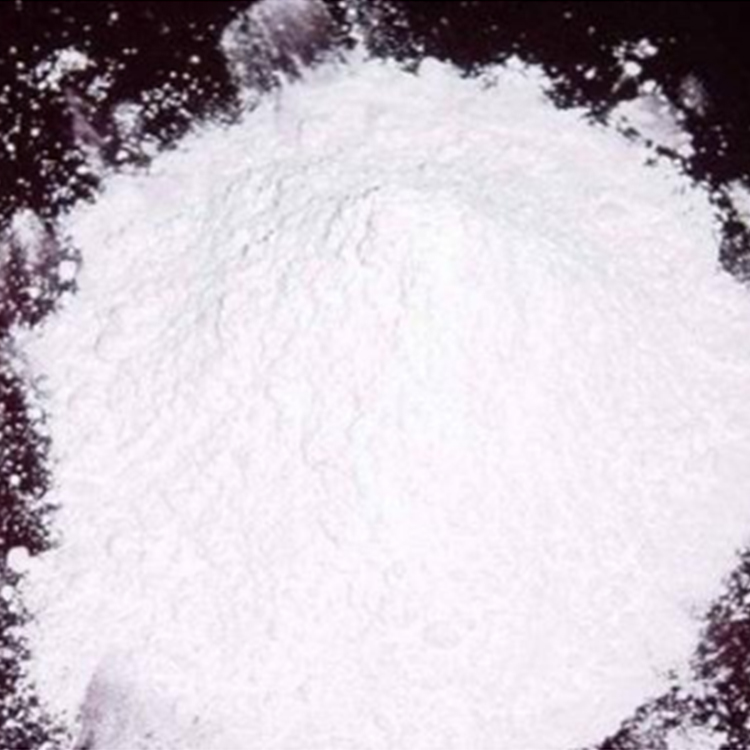
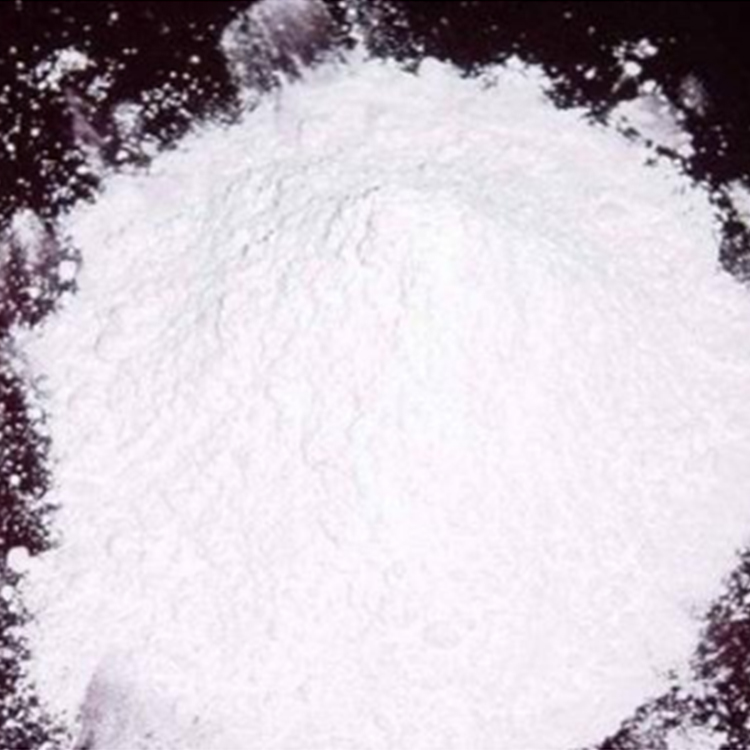
Grey calcium powder is a natural limestone primarily composed of CaCO3. After being calcined at high temperatures to become quicklime (CaO), it is then refined and partially slaked, with the main component being Ca(OH)2. It is then finely milled into a white, smooth powder using a high-speed air classification hammer mill.
Gypsum powder applications:
The application is in construction, such as bricklaying, wall painting, etc. However, as the uses of calcium sulfate powder are increasingly recognized and accepted, it is widely used in industries including industrial, agricultural, construction, manufacturing, and the food industry. Specific application industries include: putty powder, latex paint, thermal mortar, architectural coatings, electrical wires and cables, plastic steel windows and doors, and it is also used in flue gas desulfurization, wastewater treatment, and more.
Due to the excellent properties of gray calcium carbonate at a lower cost, it has been increasingly used in synthetic resin emulsion paints to meet the new standards, such as GB/T 9756-2001 and GB 18582-2001, at reduced expenses. The containers of the paint, its leveling, and the feel of the film are all satisfactory. Therefore, under the new requirements, gray calcium carbonate still holds value. However, there is still a possibility of the film turning yellow when applied over old coatings, so its role should not be exaggerated, and it should only be used in medium to low-grade interior paints.
Grey Calcium Powder Production Process:
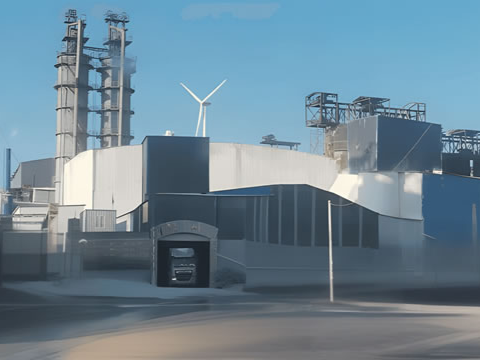
The traditional lime production process involves layering limestone and fuel (wood) and then firing it in a kiln to obtain lime. Modern methods use mechanized and semi-mechanized vertical shaft kilns, as well as rotary kilns and fluidized bed furnaces, to produce lime. The firing time is also shortened, with the production of lime in a rotary kiln taking only 2 to 4 hours, which is five times more productive than using a vertical shaft kiln. In recent years, energy-saving technologies and equipment such as cross-flow, double incline, oil-fired circular vertical shaft kilns, and short rotary kilns with pre-heaters have emerged, significantly reducing energy consumption. The fuel options have expanded to include coal, coke, heavy oil, or liquefied gas.