
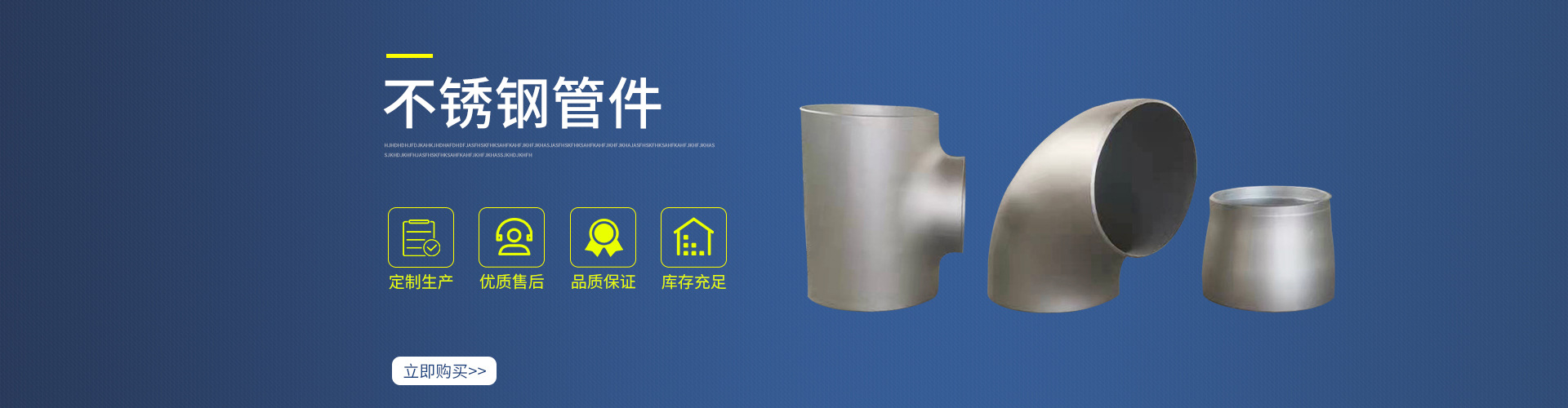


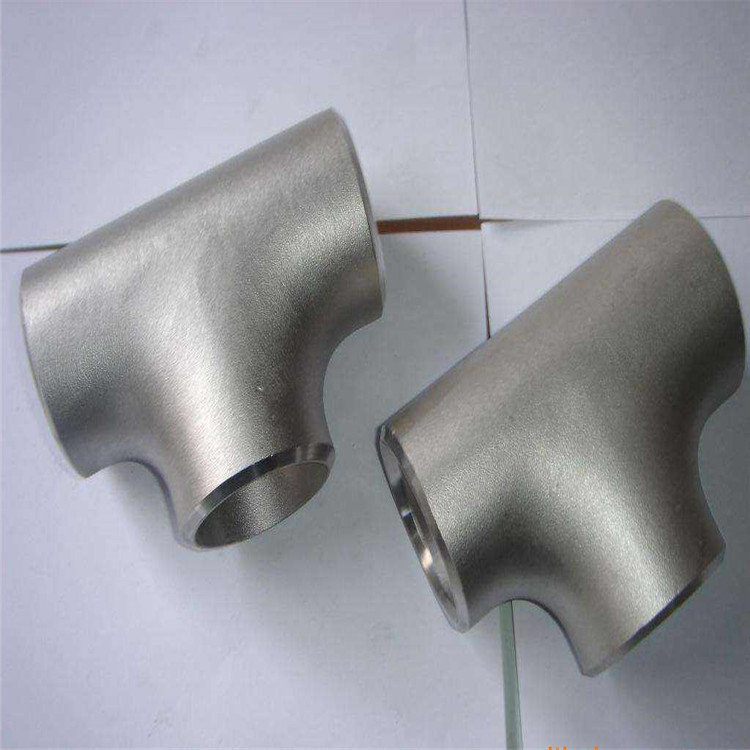


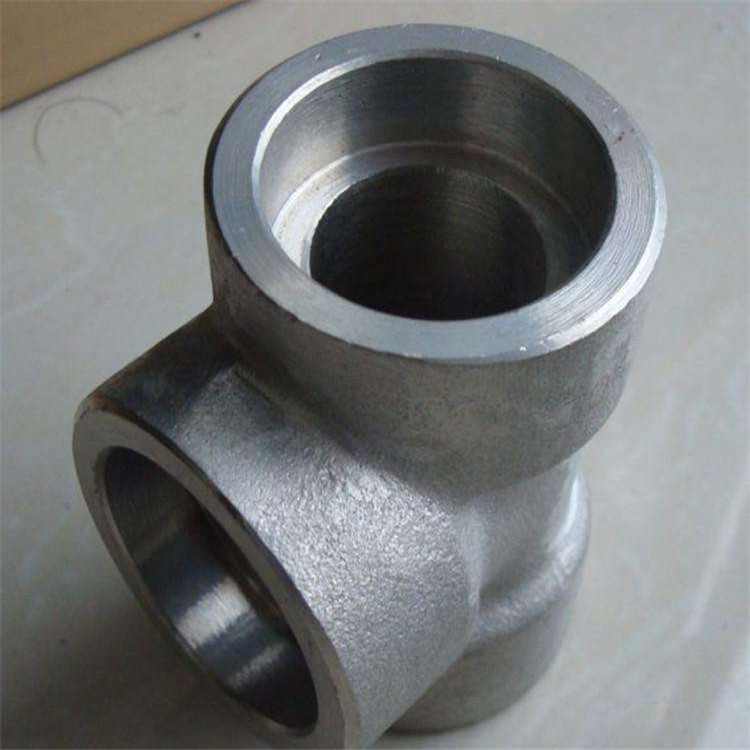
Seamless Tee Wuwei Basic Advantages and Features: Large Diameter Equal Tee Manufacturers Weld Bevel on the Contiguous Line, Currently Mainly Hand-Gas Cut or Plasma Cut, Low Machining Accuracy, Bevel Angle Too Small, Improper Welding Process Parameter Selection Leading to Incomplete Welding. Another Main Reason for Quality Defects in Welded Tee is Incorrect Cutting of Materials, Machining the Branch Pipe's External Bevel as an Internal One, and Directly Welding the Branch Pipe to the Main Pipe.
Three-way tees are available in carbon steel seamless, stainless steel welded, and reducing types, offering a complete range. Here are some things to consider when purchasing three-way tees:
(1) A three-way temperature control valve can replace a two-way valve and a three-way reducer.
(2) The globe style three-way thermostatic valve comes in six installation types, accommodating connections in any pipe direction. The installation type is selected based on the actual pipeline connections of the system.
(3) Based on valve body material (cast copper or T-ductile iron), connection type (F flange, G pipe thread, ZG cone pipe thread),ValveDetermine the three-way control valve model by specifying the structural type (Z-type swing valve, H-type slide valve), temperature adjustment range, and installation style.
(4) The three-way temperature control valve can be used for both convergence and divergence control applications, depending on the different flow directions of the fluids through the three ports.
(5) The three-way thermostatic valve can be installed at any position, but the emergency manual device should be mounted in a location that is convenient for operation.
(6) To prevent impurities from causing blockage or failure in the medium, it is advisable to install a filter before the three-way regulating valve.
(7) Calculate the flow rate of the controlled medium in m³/h.
(8) Select the trims temperature valve size based on the controlled medium and its designed flow rate.
(9) First, determine whether the controlled medium is oil or water.
(10) The function of the mixing type temperature regulating valve is to mix two fluids of different temperatures through the valve to form a third fluid with a temperature between the two. This valve has two inlets (B for high pressure port, C for low pressure port) and one outlet (A), with the temperature sensing element installed at the outlet (A). The分流type temperature regulating valve's function is to divide a single fluid into two proportional paths after passing through the valve. When one outlet is closed, the other is opened simultaneously. This valve has one inlet (A) and two outlets (B for bypass return port, C for分流cooling port).
