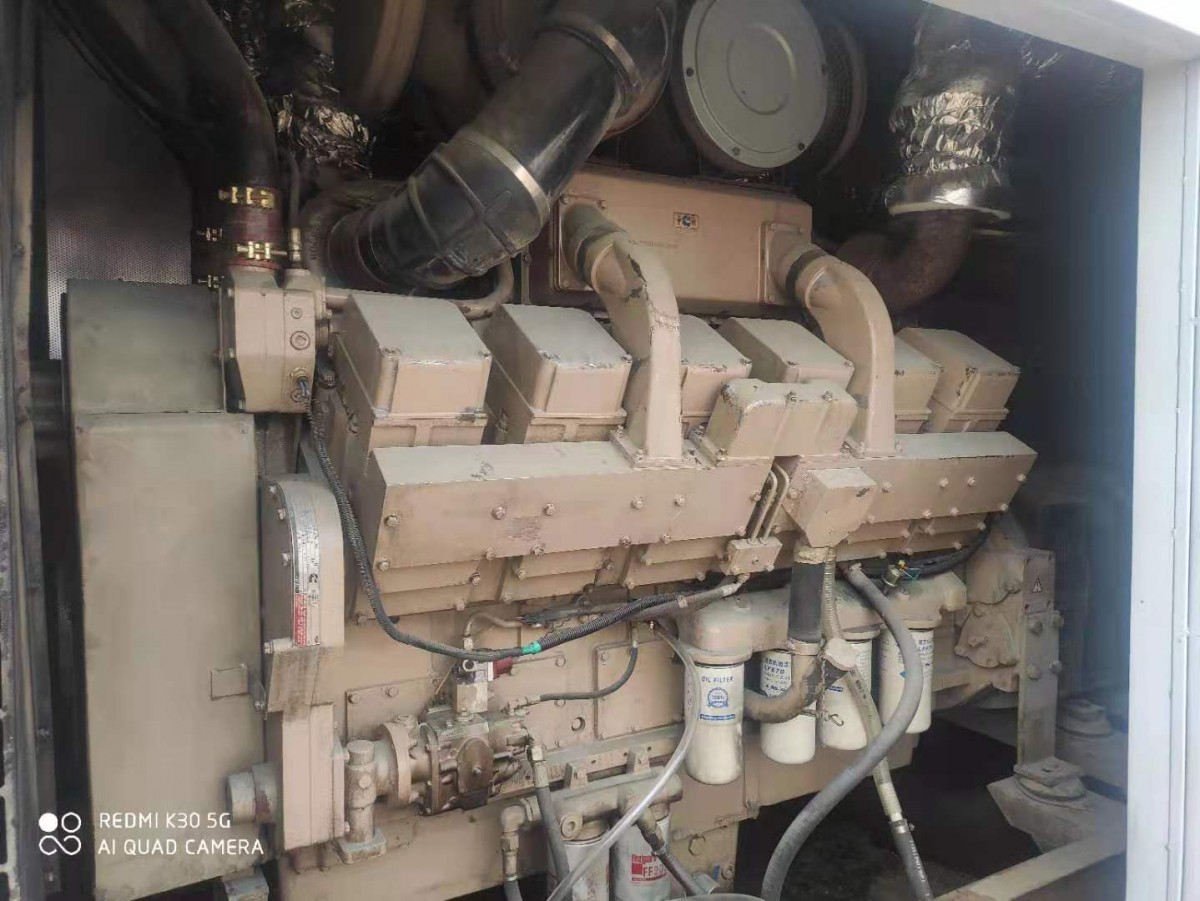

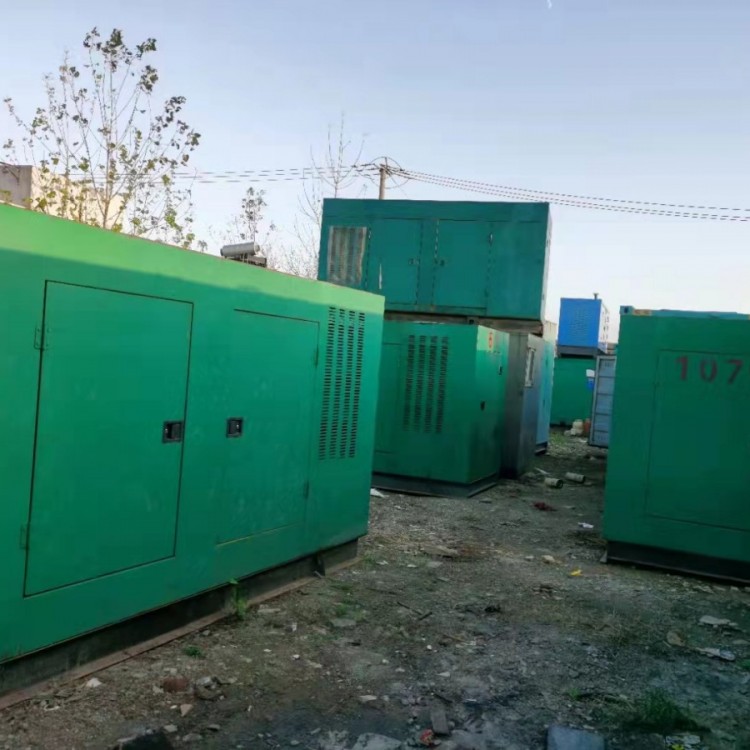
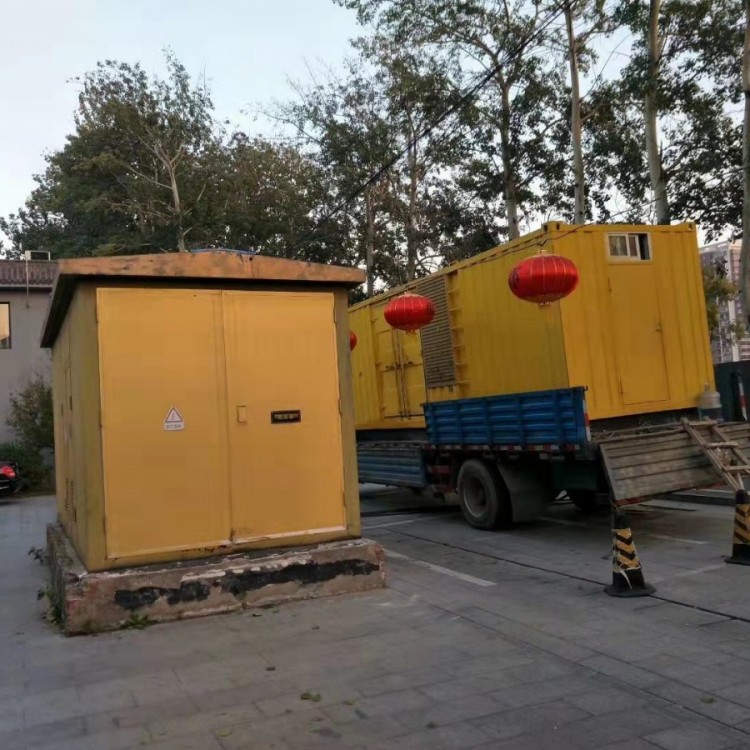
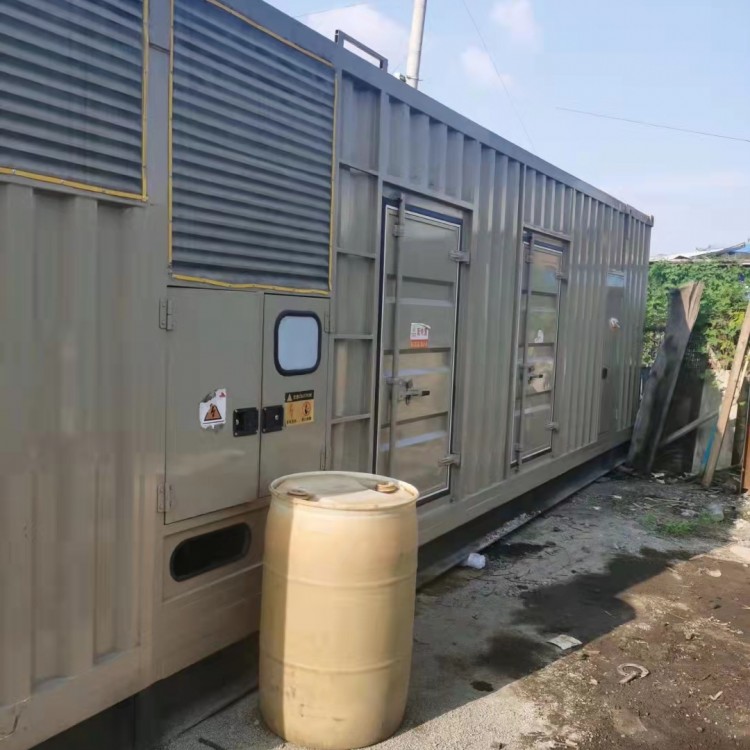
Yifuan Electric Equipment Co., Ltd., offers rental services for mobile generators, silent generators, large generators, eco-friendly generators, diesel generator sets, and low-power generators. Yifuan Electric Equipment Co., Ltd. provides temporary power solutions for end-users, ensuring safe and stable electricity supply for your production. Welcome to inquire for quotes!
Selection Regulations for Diesel Generator Sets
1. The unit capacity and number should be determined based on the size of the emergency load, the sequence of deployment, and the individual motor's starting capacity, among other factors. When the emergency load is significant, multiple units can be operated in parallel, with the number of units ideally ranging from 2 to 4. If constrained by parallel operation conditions, zonal power supply can be implemented. When the harmonic content of the electrical load is high, consider its impact on the generator.
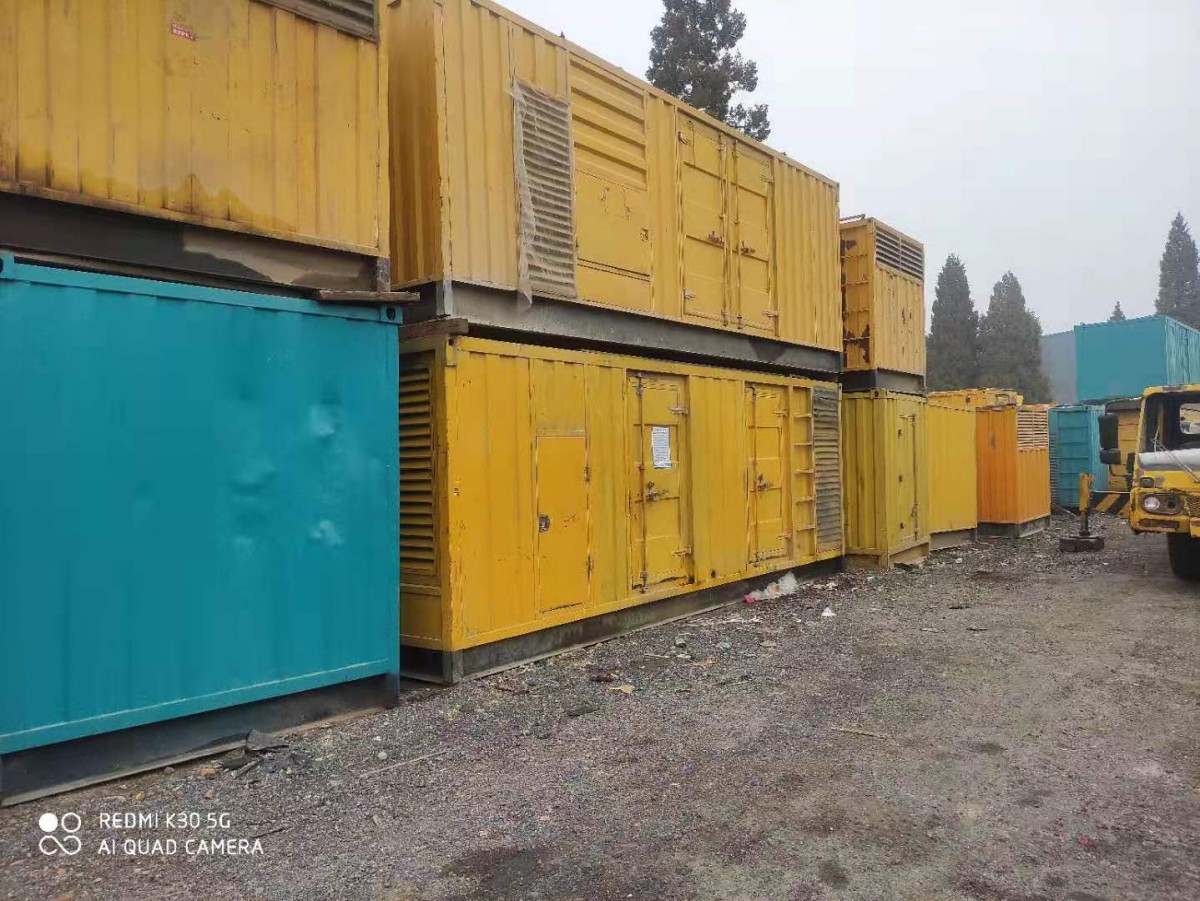
How to select the capacitor capacity for generators? During the process of diesel generator rental, how should the capacitor capacity of an asynchronous generator be chosen? The following is an example to illustrate this. When a three-phase asynchronous generator runs at no load, assuming its rated output voltage is UH, the required excitation current is H激. Substituting Un and excitation into the formula, we can derive the required capacitor capacity per phase for the asynchronous generator to self-excite the voltage, which is KH激相2xU心. Because when capacitors are connected in a star configuration, K=3, and in a delta configuration, K=1/3.
After the generator rotates, the residual magnetism of the main rotor cuts through the stator winding of the main generator, generating induced electromotive force to produce a certain voltage. This voltage is then rectified by the Automatic Voltage Regulator (AVR) to form excitation DC voltage.
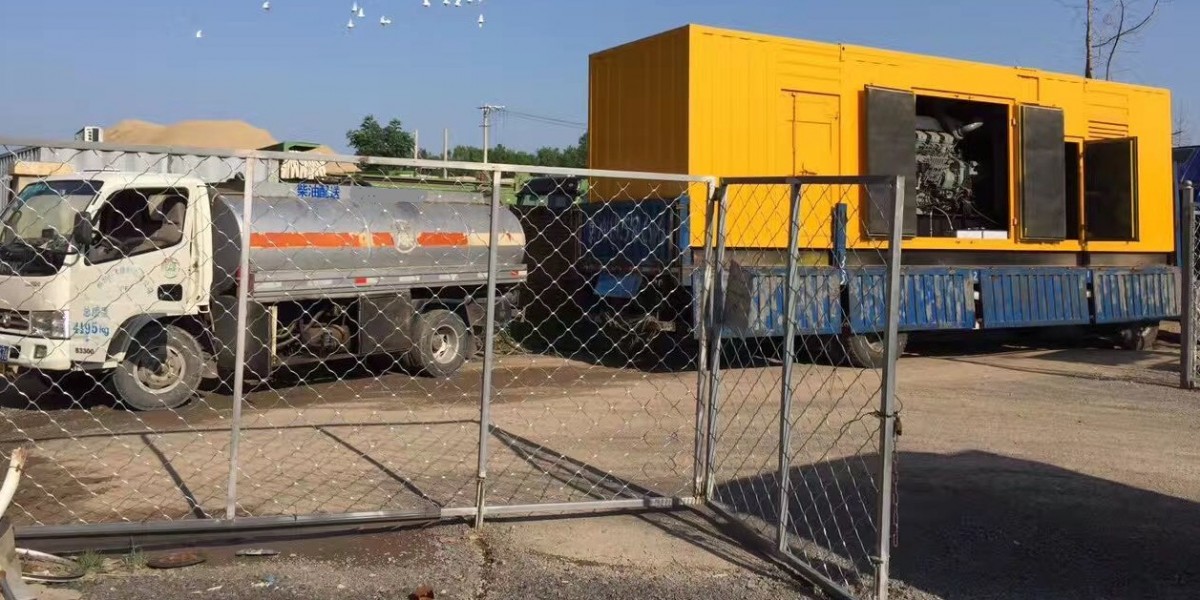
The voltage is connected to the stator of the excitation generator, forming a magnetic field in the stator core. The rotor winding of the excitation generator cuts through the magnetic lines of the stator core, producing voltage. This voltage is then rectified into excitation DC voltage by rotating diodes on the main shaft and connected to the main generator's main rotor winding. This strengthens the magnetic field in the main generator's rotor core, enhancing the cutting of the magnetic field by the main generator's stator winding. The induced electromotive force of the main generator's stator winding rises, creating a cycle of positive feedback. With the real-time adjustment of the excitation regulator, it finally reaches the rated voltage and stabilizes the output.
The brushless alternator from Mili is inferior in its ability to handle impact loads, such as motors, and nonlinear loads with significant harmonic interference compared to PMG permanent magnet excitation generators and auxiliary winding excitation generators, as the power supply for the AVR's excitation energy is not independent, making it susceptible to load surge interference or harmonic interference caused by load waveform distortion.