

What are some tips for using diesel generators?
Diesel generator sets are mainly composed of several major systems: the charging system, control system, fuel system, cooling system, lubrication system, intake and exhaust systems, and intake supercharging system. Charging System: Charger, Regulator. Function: Engines with electric start typically have charging equipment to ensure timely recharging after the battery discharges.
Control System: Electronic speed regulating mechanism or mechanical speed regulation, start motor, throttle rope. Function: When the motor starts, the solenoid valve pulls the throttle to the appropriate position, supplying oil to the cylinder for combustion, thus igniting and rotating the cylinder.
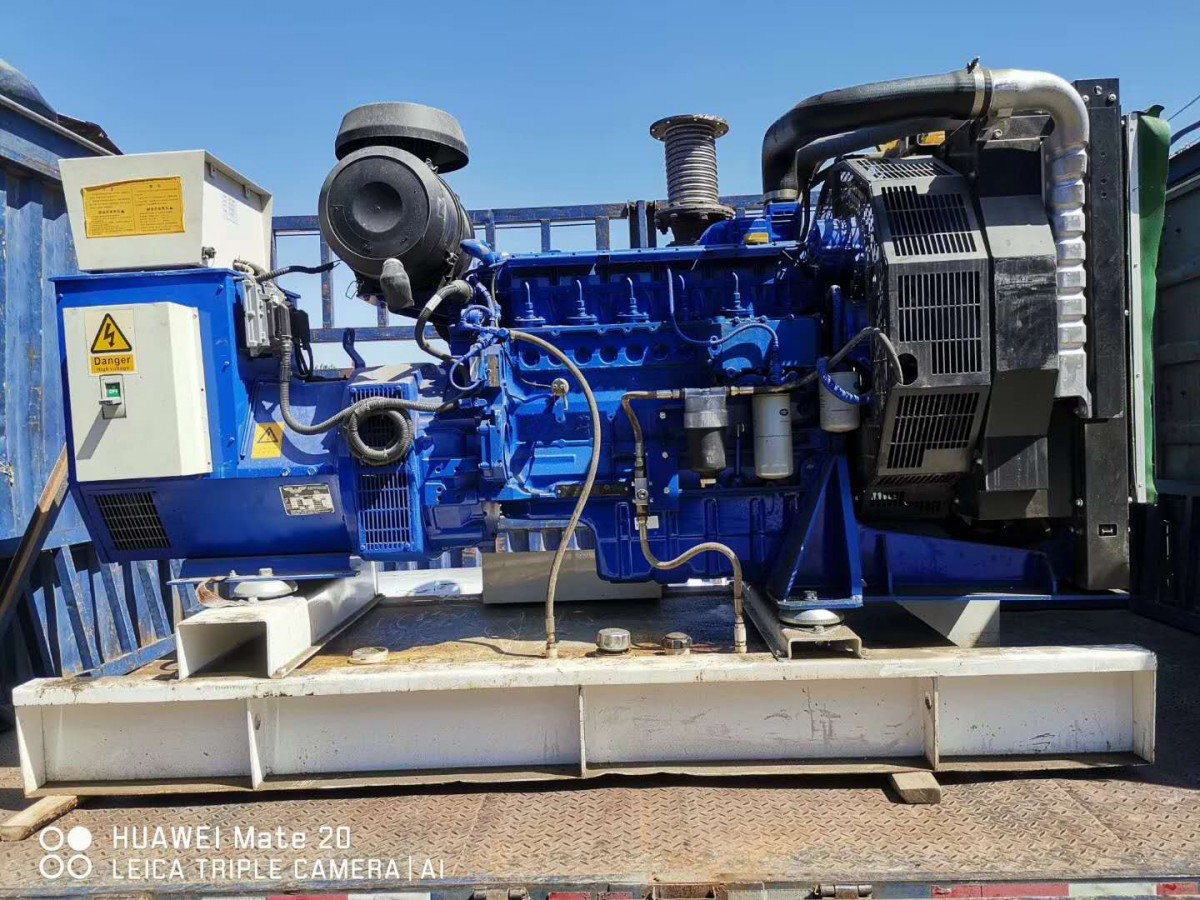
Fuel System: Throttle governors can be categorized by their working principle into centrifugal, pneumatic, and hydraulic types, with centrifugal being the most common. Function: As diesel generators operate, their load varies, necessitating a corresponding increase or decrease in the output power of the generator set. Additionally, the frequency of power supply must be stable, which requires the engine speed of the diesel to be maintained steady. Therefore, most diesel engines are equipped with a throttle governor.
Lubrication System: Oil pump, oil filter, oil cooler, oil lines. Supplies lubricating oil to moving friction surfaces to reduce friction resistance, alleviate wear on mechanical parts, and partially cool the friction components; cleans and cools friction surfaces; improves the sealing performance between piston rings and cylinder walls; acts as a rust inhibitor for all moving parts.

